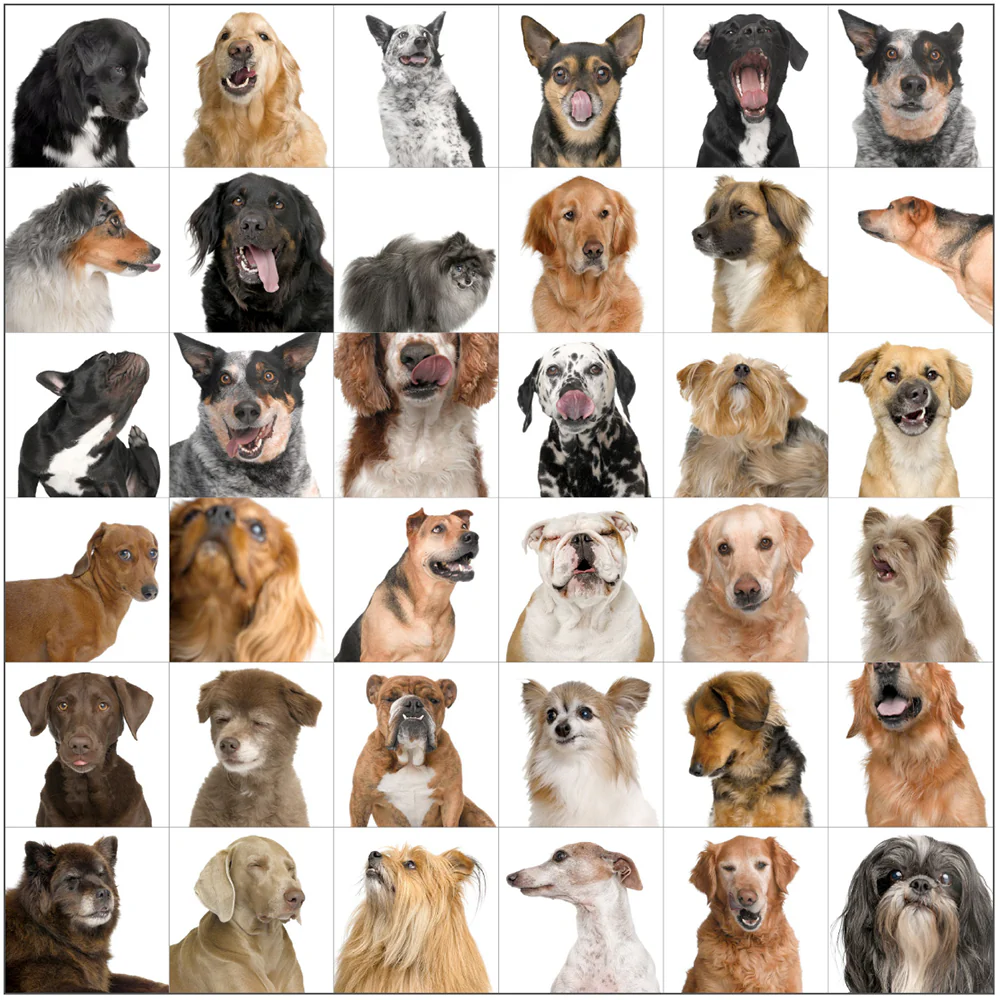
Choosing the right dog breed can be a delightful yet challenging decision, given the vast number of breeds, each with its unique characteristics and needs. Whether you’re looking for a loyal companion, a fierce protector, or a playful friend for your children, this guide will help you navigate the world of dog breeds to find the perfect match for your lifestyle. In this Ultimate Dog Breed Guide, we explore some of the most popular breeds, considering their temperament, size, exercise needs, and suitability for different living situations.
Understanding Dog Breeds
Dog breeds are categorized based on their characteristics, history, and the roles they were originally bred to perform. The American Kennel Club (AKC) recognizes several groups, including Sporting, Working, Herding, Hound, Terrier, Toy, Non-Sporting, and Miscellaneous. Each group contains breeds with shared traits that may influence your decision.
Sporting Group
The Sporting Group includes breeds that were developed to assist hunters in retrieving game. These dogs are generally energetic and require ample exercise. Popular breeds in this group include:
- Labrador Retriever: Known for their friendly nature and intelligence, Labradors are excellent family dogs and thrive in active households.
- Golden Retriever: Highly trainable and sociable, Golden Retrievers are great with children and other pets, making them ideal for families.
Working Group
Working Group breeds are known for their strength and intelligence, often serving as guard dogs or in search and rescue roles. Some notable breeds are:
- German Shepherd: Renowned for their loyalty and versatility, German Shepherds are commonly used in police and military roles.
- Rottweiler: With a strong protective instinct, Rottweilers make excellent guard dogs but require proper training and socialization.
Herding Group
Dogs in the Herding Group are natural leaders, bred to control livestock. These intelligent and energetic breeds include:
- Border Collie: Known for their exceptional intelligence and agility, Border Collies excel in obedience and agility competitions.
- Australian Shepherd: Energetic and trainable, Australian Shepherds are well-suited for active families who enjoy outdoor activities.
Hound Group
The Hound Group encompasses breeds originally used for hunting due to their keen sense of smell and endurance. Some popular hounds are:
- Beagle: Friendly and curious, Beagles are great family dogs, although their strong scent-drive can lead them to wander.
- Greyhound: Known for their speed, Greyhounds are surprisingly gentle and enjoy lounging around the house.
Terrier Group
Terriers are feisty and energetic, originally bred to hunt vermin. These breeds require regular mental and physical stimulation:
- Jack Russell Terrier: Intelligent and lively, Jack Russells need plenty of exercise and mental challenges to stay happy.
- Scottish Terrier: Independent yet affectionate, Scotties are great for those who appreciate a dog with a strong personality.
Toy Group
Toy breeds are small and often bred for companionship, making them ideal for apartment living. Popular toy breeds include:
- Pomeranian: With their fluffy coats and lively demeanor, Pomeranians make charming and alert companions.
- Chihuahua: Despite their tiny size, Chihuahuas have big personalities and form strong bonds with their owners.
Non-Sporting Group
The Non-Sporting Group is diverse, including breeds that don’t fit into the other categories. Some notable non-sporting breeds are:
- Bulldog: Known for their distinctive appearance and gentle nature, Bulldogs are loyal companions suitable for less active households.
- Dalmatians: Energetic and intelligent, Dalmatians require regular exercise and are known for their unique spotted coats.
Choosing the Right Breed for You
When selecting a dog breed, consider your living situation, lifestyle, and what you want in a canine companion. Here are some factors to keep in mind:
Living Environment
Your living environment plays a critical role in determining the most suitable dog breed. For apartment dwellers, smaller breeds or those with lower exercise needs, such as French Bulldogs or Cavalier King Charles Spaniels, can be ideal. Those with a yard may prefer larger or more active breeds like Labradors or Border Collies.
Activity Level
Consider your activity level and choose a breed that matches it. If you enjoy outdoor adventures, a high-energy breed like a Siberian Husky or an Australian Shepherd might be a good fit. Conversely, if you prefer a more relaxed lifestyle, a Basset Hound or an English Bulldog could be perfect.
Family Dynamics
For families with children, breeds known for their gentle and patient nature, such as Golden Retrievers or Boxers, are often recommended. Ensure the breed you choose is known for being good with kids and can handle the noise and bustle of family life.
Allergies
For individuals with allergies, hypoallergenic breeds such as Poodles or Bichon Frises are worth considering. These breeds typically shed less and produce fewer allergens, making them more suitable for allergy sufferers.
The Importance of Training and Socialization
No matter the breed, training and socialization are crucial for a well-behaved dog. Early training helps establish good behavior patterns, while socialization exposes your dog to various environments, people, and other animals, reducing fear and anxiety. Consistent training and positive reinforcement are key to nurturing a happy and well-adjusted pet.
Conclusion
Choosing the right dog breed is a significant decision that requires careful consideration of various factors, including your lifestyle, living situation, and personal preferences. By understanding the characteristics and needs of different breeds, you can find a companion that fits seamlessly into your life. Remember, every dog is an individual, and while breed traits are important, each dog will have its unique personality and quirks. With love, patience, and proper care, any dog can become a cherished member of your family.