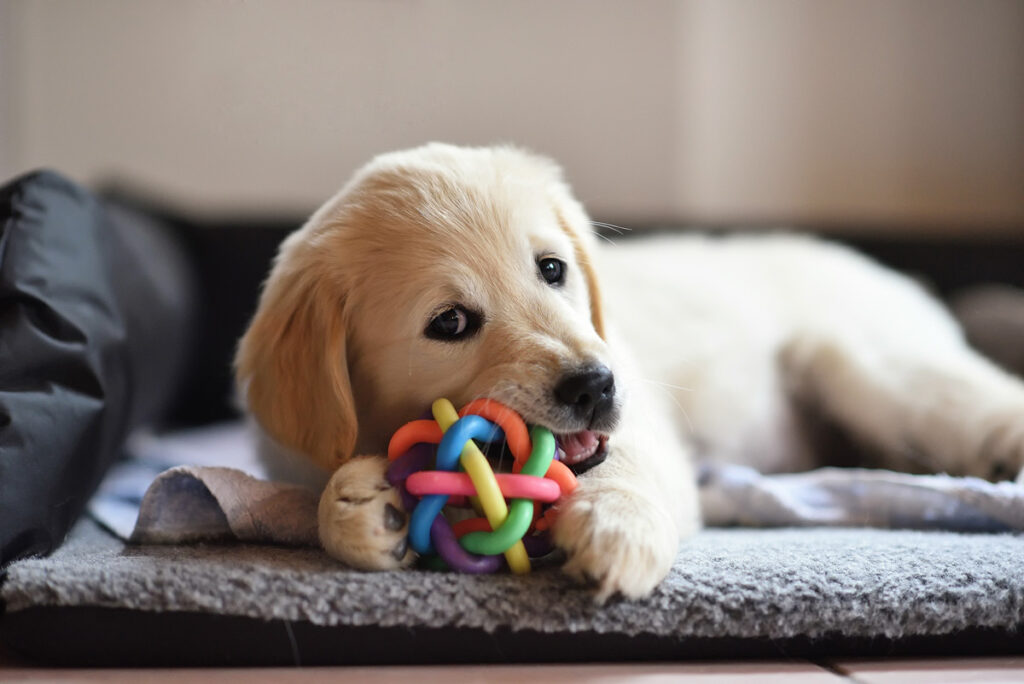
House training is one of the foundational aspects of responsible dog ownership. It not only ensures a harmonious living environment but also strengthens the bond between you and your pet. Successfully house training your dog requires patience, consistency, and understanding of canine behavior. This article explores effective strategies to master house training and transform your dog’s behavior for a lifetime of companionship.
Understanding Canine Behavior
Before diving into the specifics of house training, it’s essential to understand the natural instincts and behaviors of dogs. Dogs are inherently clean animals; they prefer not to soil their living areas. This instinct can be harnessed to facilitate house training. Additionally, dogs respond well to routines and clear, consistent signals from their owners.
Setting the Stage for Success
Create a Designated Space
Before you begin house training, establish a designated space for your dog. This could be a crate, a specific room, or a penned-off area. This space should be comfortable and equipped with everything your dog needs, including a bed, water, and toys. The designated space helps your dog understand boundaries and reduces anxiety during the training process.
Establish a Routine
Dogs thrive on routine, and establishing a consistent schedule for feeding, bathroom breaks, and playtime is crucial. Take your dog to the designated bathroom spot at regular intervals, particularly after meals, play sessions, and naps. Consistency reinforces understanding and helps your dog predict and adapt to the routine.
Positive Reinforcement: The Key to Success
Positive reinforcement is the cornerstone of effective house training. Reward your dog with praise, treats, or a favorite toy immediately after they successfully eliminate in the right spot. This creates a positive association with the behavior and encourages repetition.
Timing is Everything
Timing is critical when using positive reinforcement. Ensure that rewards are given immediately after the desired behavior. Any delay can confuse your dog, as they may not associate the reward with the specific action you are encouraging.
Avoid Punishment
Punishment is not an effective strategy for house training. Yelling, scolding, or using physical discipline can lead to fear, anxiety, and even aggression in your dog. Instead, focus on redirecting unwanted behavior and reinforcing desirable actions.
Addressing Accidents
Accidents are a natural part of the house training process. It’s important to handle them calmly and constructively to prevent setbacks in your dog’s training journey.
Clean Thoroughly
If an accident occurs, clean the area thoroughly with an enzymatic cleaner to eliminate odors. This prevents your dog from being drawn back to the same spot by scent.
Review and Adjust
If accidents are frequent, review your training approach. Are bathroom breaks frequent enough? Is your dog able to access their designated area easily? Adjust your routine and environment as needed to support your dog’s success.
Common Challenges and Solutions
House training can present challenges, but understanding and addressing these issues with tailored solutions can foster a positive training experience.
Separation Anxiety
Separation anxiety can lead to accidents, as dogs may become stressed when left alone. Gradually accustom your dog to being alone by starting with short absences and gradually increasing the duration. Provide engaging toys or puzzles to distract them, and ensure they have a comfortable, secure space.
Regression
Regression is common, especially if there are changes in the household or routine. Revisit the basics of house training, reinforcing positive behaviors and addressing any stressors that may have triggered the regression.
Advanced House Training Techniques
Once the basics are mastered, you can explore advanced techniques to further enhance your dog’s house training experience.
Crate Training
Crate training can be a powerful tool for house training. It leverages a dog’s natural den instincts, providing a safe and secure environment. Ensure the crate is appropriately sized, allowing your dog to stand, turn around, and lie down comfortably. Gradually acclimate your dog to the crate with positive associations, such as treats and toys.
Bell Training
Bell training involves teaching your dog to ring a bell by the door when they need to go outside. Start by encouraging your dog to touch the bell with their nose or paw, rewarding them when they do. Gradually associate this behavior with going outside for bathroom breaks.
Maintaining Long-Term Success
Consistent reinforcement and adaptation to your dog’s evolving needs are crucial for maintaining long-term success in house training.
Regular Monitoring and Adjustment
As your dog grows and matures, their needs and behaviors may change. Regularly assess their routine and environment, making adjustments as necessary to accommodate these changes. Stay vigilant for signs of stress or discomfort that may indicate a need for modification.
Continued Positive Reinforcement
Even after your dog is fully house trained, continue to use positive reinforcement to encourage good behavior. Regularly reward your dog for eliminating outside and maintaining the routines you’ve established.
Conclusion
Mastering house training is a rewarding endeavor that transforms your dog’s behavior and strengthens your bond. By understanding canine instincts, setting a structured routine, employing positive reinforcement, and addressing challenges with patience and consistency, you can ensure a successful house training experience. With dedication and love, your dog will become a well-mannered and cherished member of your household, bringing joy and companionship for years to come.