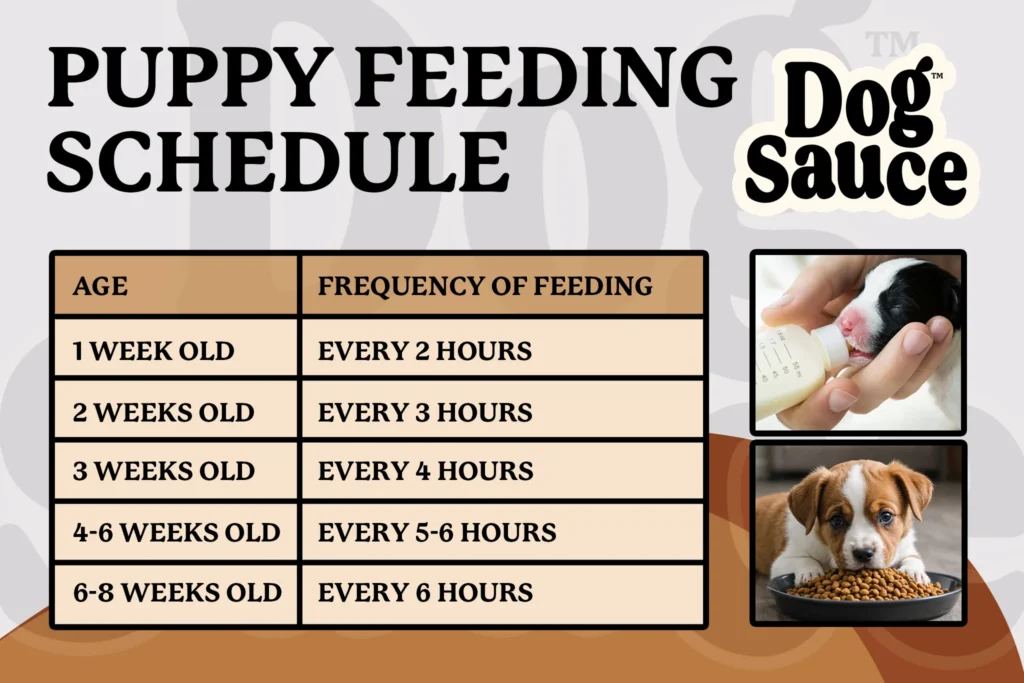
Dogs, much like humans, thrive on a balanced diet and a consistent feeding schedule. Establishing an optimal dog feeding schedule is crucial for maintaining your dog’s health, energy levels, and overall well-being. This article will explore the importance of a structured feeding schedule, factors influencing feeding times, and practical tips for creating a healthy routine tailored to your dog’s needs.
The Importance of a Consistent Feeding Schedule
A consistent feeding schedule offers numerous benefits for your dog. It helps regulate their digestive system, prevents overeating, and reduces the risk of obesity. Regular feeding times also align with your dog’s natural circadian rhythms, promoting better digestion and nutrient absorption. Furthermore, a structured routine provides predictability, reducing anxiety and promoting a sense of security and stability in your dog’s daily life.
Factors Influencing Feeding Times
Age
The age of your dog significantly influences its feeding schedule. Puppies, due to their rapid growth and high energy needs, require more frequent meals compared to adult dogs. Typically, puppies should be fed three to four times a day, gradually transitioning to two meals as they approach adulthood. Senior dogs, on the other hand, may benefit from smaller, more frequent meals to accommodate their changing metabolism and digestive capabilities.
Breed and Size
Different breeds and sizes of dogs have varying nutritional requirements. Smaller breeds often have faster metabolisms and may require more frequent meals to maintain their energy levels. Larger breeds, while needing more food overall, may do well on two meals per day. It’s essential to consider your dog’s specific breed characteristics when establishing their feeding schedule.
Activity Level
The activity level of your dog is another critical factor in determining feeding times. Highly active dogs, such as working or sporting breeds, may need additional calories and might benefit from a slightly different feeding schedule. Conversely, less active dogs or those with a sedentary lifestyle may require fewer calories and should have their meals adjusted accordingly to prevent weight gain.
Creating a Feeding Schedule
Meal Frequency
Determining the frequency of your dog’s meals is the first step in creating a feeding schedule. For most adult dogs, two meals per day—once in the morning and once in the evening—is ideal. This schedule provides a balanced distribution of nutrients and energy throughout the day. Puppies, as mentioned earlier, should be fed more frequently to support their development.
Portion Control
Portion control is crucial in maintaining your dog’s weight and overall health. Start by consulting the feeding guidelines provided by your dog’s food manufacturer, which are often based on weight and activity level. However, these are just guidelines, and adjustments may be necessary based on your dog’s specific needs. Regularly monitor your dog’s body condition and adjust portions as needed to maintain a healthy weight.
Timing
Timing is an essential component of an effective feeding schedule. Ideally, meals should be spaced out evenly throughout the day, with the morning meal occurring shortly after waking and the evening meal a few hours before bedtime. This schedule aligns with your dog’s natural digestion cycles and helps prevent issues such as bloating or discomfort. Additionally, avoid feeding your dog immediately before or after intense exercise, as this can lead to digestive issues.
Tips for a Successful Feeding Routine
Consistency is Key
Maintaining consistency in your dog’s feeding routine helps reinforce good eating habits. Try to feed your dog at the same times every day, and avoid making sudden changes to their schedule. Consistency not only aids in digestion but also helps establish a sense of routine that can be comforting for your dog.
Monitor Health and Behavior
Pay close attention to your dog’s health and behavior in response to their feeding schedule. Look for signs of digestive issues, such as vomiting or diarrhea, and adjust feeding times or portions if necessary. Additionally, monitor your dog’s energy levels and weight, and consult a veterinarian if you notice any significant changes or concerns.
Choose the Right Food
Selecting the right food is integral to creating an optimal feeding schedule. Choose high-quality dog food that meets your dog’s nutritional needs based on their age, breed, size, and activity level. Ensure that the food provides a balanced diet with the appropriate levels of protein, fats, carbohydrates, vitamins, and minerals. Consult your veterinarian for recommendations tailored to your dog’s specific requirements.
Common Feeding Mistakes to Avoid
Free Feeding
Free feeding, or leaving food out all day for your dog to eat at their leisure, can lead to overeating and obesity. It also makes it challenging to monitor your dog’s intake and establish a consistent routine. Instead, provide measured meals at set times to promote healthy eating habits.
Feeding Human Food
While it may be tempting to share table scraps with your dog, feeding them human food can lead to nutritional imbalances and digestive issues. Many human foods are high in fat, sugar, or salt, which can be harmful to dogs. Stick to dog-specific foods and treats to ensure your pet receives the appropriate nutrients.
Inadequate Hydration
Proper hydration is essential for your dog’s health, especially when considering their feeding schedule. Ensure your dog has access to fresh, clean water at all times, and encourage them to drink regularly. Monitor their water intake, especially during hot weather or after exercise, to prevent dehydration.
Adapting to Your Dog’s Changing Needs
As your dog ages or experiences changes in activity level or health, their feeding schedule may need adjustments. Regularly reassess their dietary needs and consult with your veterinarian to make informed decisions. Be open to modifying their feeding routine to accommodate changes in metabolism, dental health, or medical conditions that may arise.
Conclusion
Establishing an optimal dog feeding schedule is an essential aspect of pet care that contributes to your dog’s overall health and well-being. By considering factors such as age, breed, size, and activity level, you can create a feeding routine that supports your dog’s nutritional needs and promotes a healthy lifestyle. Consistency, portion control, and the right food choices are key components of a successful schedule. By avoiding common feeding mistakes and adapting to your dog’s changing needs, you can ensure that your furry friend enjoys a long, healthy, and happy life.