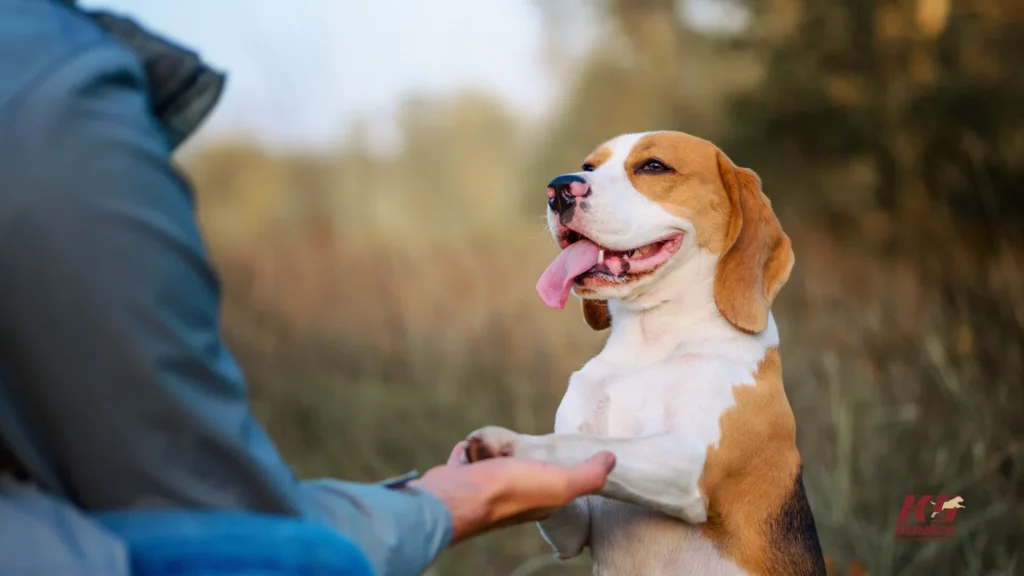
Pets, like humans, respond to various stimuli in their environment, and one of the most effective ways to train them is through positive reinforcement. Positive reinforcement is a method that encourages certain behaviors by offering rewards whenever the desired behavior is exhibited. This approach, grounded in behavioral psychology, is considered one of the most humane and effective methods for training pets, ensuring they learn and retain desired behaviors without fear or stress.
The Science Behind Positive Reinforcement
Positive reinforcement is deeply rooted in the principles of operant conditioning, a concept introduced by B.F. Skinner. Operant conditioning is a learning process through which the strength of a behavior is modified by reinforcement or punishment. When a pet receives a reward after performing a desired action, the likelihood of that behavior being repeated increases.
The key to positive reinforcement is timing. The reward must be given immediately after the desired action to establish a clear connection between the behavior and the reward. Over time, this connection becomes ingrained in the pet’s mind, making the behavior more consistent.
Benefits of Positive Reinforcement
The benefits of positive reinforcement extend beyond just teaching new tricks or commands. It fosters a stronger bond between the pet and the owner, as training sessions become enjoyable experiences rather than stressful ones. Pets trained with positive reinforcement are generally more confident, less fearful, and more willing to engage with their environment.
Additionally, this method reduces the risks of aggression and anxiety. Pets learn that good behavior leads to positive outcomes, which makes them more likely to repeat such behaviors. This approach also encourages problem-solving and cognitive development, as pets learn to think and make decisions to earn rewards.
Implementing Positive Reinforcement Techniques
Start with Simple Commands
Begin training with simple commands such as “sit,” “stay,” or “come.” These basic commands serve as the foundation for more complex behaviors. Use treats, praise, or toys as rewards, depending on what motivates your pet the most.
Consistency is Key
Consistency is crucial when training pets. Use the same commands and hand signals each time, and ensure everyone in the household follows the same routine. Inconsistency can confuse your pet, making the training process less effective.
Gradually Increase Difficulty
As your pet becomes proficient with basic commands, gradually increase the difficulty level by introducing distractions or practicing in different environments. This helps your pet learn to obey commands regardless of the situation.
Be Patient and Positive
Training takes time, and patience is essential. Celebrate small victories and maintain a positive attitude throughout the training process. Avoid using punishment or negative reinforcement, as these can create fear and anxiety, hindering your pet’s learning.
Common Mistakes to Avoid
One common mistake pet owners make is relying too heavily on treats. While treats are effective motivators, over-reliance can lead to dependency. Gradually reduce the frequency of treats as your pet becomes more consistent with the desired behaviors, and replace them with praise and affection.
Another mistake is moving too quickly. Ensure your pet has mastered a command before introducing a new one. Rushing the process can confuse and frustrate your pet, making training sessions counterproductive.
Finally, avoid long and exhausting training sessions. Short, frequent sessions are more effective, as they keep your pet engaged and prevent boredom.
The Role of Timing and Cues
Timing is crucial in positive reinforcement training. Deliver the reward immediately after your pet performs the desired behavior to reinforce the connection. Additionally, using clear and consistent cues helps your pet understand what is expected.
Verbal cues should be concise, and hand signals should be distinct. Over time, your pet will learn to associate these cues with specific behaviors, making training more efficient.
Understanding Your Pet’s Motivation
Every pet is unique, and understanding what motivates yours is essential for successful training. Some pets respond well to treats, while others prefer toys or verbal praise. Observe your pet to identify what excites them the most, and use that as the primary reward.
It’s also important to note that motivation can change over time. Regularly assess what rewards are most effective to ensure your training remains impactful.
Creating a Positive Training Environment
The training environment plays a significant role in your pet’s ability to focus and learn. Choose a quiet, distraction-free area for training sessions, especially when introducing new commands. As your pet becomes more comfortable with the commands, gradually introduce mild distractions to enhance their focus and adaptability.
Tracking Progress and Adjusting Techniques
Keep track of your pet’s progress by recording their improvements and any challenges faced during training. This helps identify patterns and adjust techniques as needed. If a particular method isn’t working, be open to trying new approaches or seeking advice from professional trainers.
Conclusion
Positive reinforcement is a powerful tool for boosting pet obedience and fostering a harmonious relationship between pets and their owners. By understanding the principles of positive reinforcement and implementing these techniques with patience and consistency, you can effectively train your pet to exhibit desired behaviors. Remember to celebrate your pet’s successes, however small, and enjoy the bonding experience that comes with positive reinforcement training.