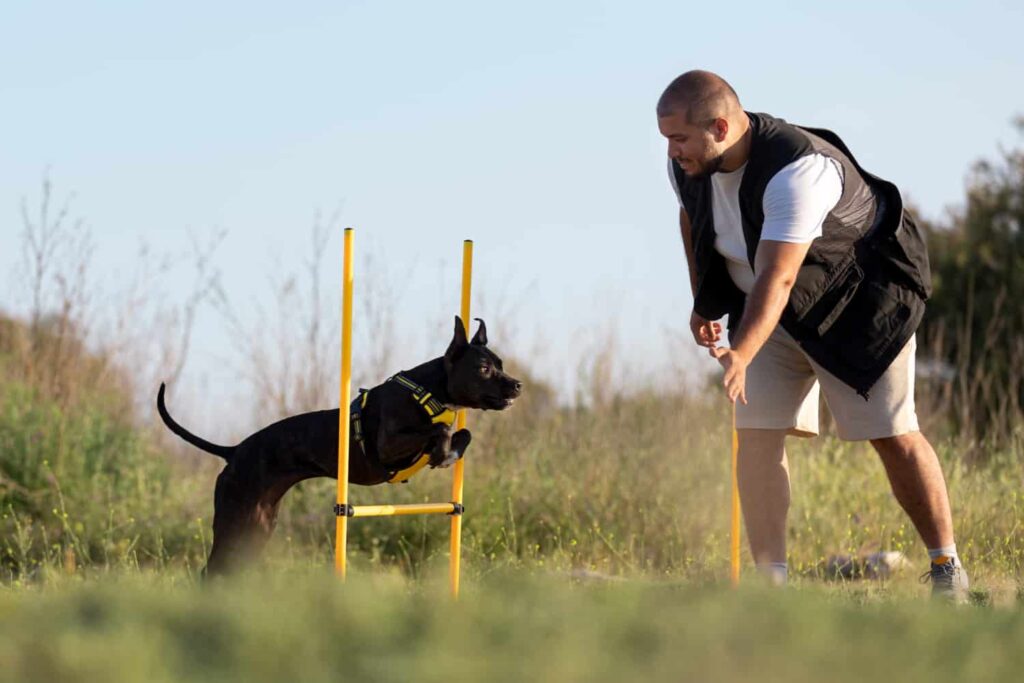
Bringing a new puppy into your home is an exciting and rewarding experience, but it also comes with its challenges. Training your puppy is essential for establishing a harmonious household and ensuring that your furry friend grows into a well-behaved adult dog. This article will guide you through mastering puppy training by providing essential tips for success.
Understanding Puppy Behavior
Before diving into training techniques, it’s crucial to understand some basic aspects of puppy behavior. Puppies are naturally curious and full of energy. They explore their world primarily through their senses of smell and taste, which often leads to chewing and biting as they learn about their environment. Knowing this can help you set realistic expectations and manage your training sessions effectively.
Start with Socialization
Socialization is one of the most important aspects of puppy training. The goal is to expose your puppy to a variety of people, environments, and other animals to help them develop into a confident and well-adjusted dog. Begin socialization early, ideally between 3 to 14 weeks, as this is the critical period when puppies are most receptive to new experiences.
Tips for Effective Socialization
– Introduce your puppy to different people, including those with hats, sunglasses, or beards, to help them feel comfortable with diverse appearances.
– Expose them to various environments such as parks, busy streets, and different types of flooring.
– Arrange playdates with other vaccinated puppies or friendly adult dogs to teach proper canine communication.
– Use positive reinforcement to reward calm and positive behavior during new experiences.
Basic Training Commands
Teaching basic commands is the cornerstone of puppy training. These commands form the foundation for future training and ensure that your puppy understands your expectations. The most essential commands include sit, stay, come, down, and leave it.
Teaching “Sit”
– Hold a treat close to your puppy’s nose and move your hand upward, allowing their head to follow the treat and causing their bottom to lower.
– Once in a sitting position, say “sit” and give them the treat along with praise.
– Repeat this several times every day until your puppy masters the command.
Teaching “Stay”
– Ask your puppy to sit.
– Open your hand in front of you and say “stay.”
– Take a few steps back and, if they stay, give them a treat and praise.
– Gradually increase the distance and duration of the stay command.
Teaching “Come”
– Attach a leash to your puppy’s collar and let them roam a short distance.
– Crouch down and say “come” in a cheerful tone while gently pulling the leash towards you.
– Reward them with a treat and praise when they reach you.
Teaching “Down”
– Start with your puppy in a sitting position.
– Hold a treat close to their nose, then move your hand to the floor.
– As they follow, their body should naturally lower into a lying position.
– Once they are down, say “down” and reward them.
Teaching “Leave It”
– Place a treat in both hands, showing one to your puppy and saying “leave it.”
– Let them sniff and paw at your hand, but do not give the treat.
– Once they lose interest, give them the treat from the other hand.
– Repeat until they understand to leave the first treat alone.
Positive Reinforcement
Positive reinforcement is a highly effective training method that encourages desired behaviors by rewarding your puppy. Treats, praise, and play are all excellent forms of positive reinforcement. This approach not only strengthens the bond between you and your puppy but also makes learning a fun and rewarding experience for them.
Consistency is Key
Consistency is crucial when using positive reinforcement. Ensure everyone in your household uses the same commands and rewards to avoid confusing your puppy. Establish a routine for training sessions, ideally keeping them short (5-10 minutes) and frequent throughout the day.
Potty Training
Potty training is often one of the first challenges new puppy owners face. With patience and consistency, you can successfully teach your puppy where it is appropriate to relieve themselves.
Effective Potty Training Tips
– Establish a regular feeding schedule to predict when your puppy needs to go outside.
– Take them out first thing in the morning, after meals, and before bedtime.
– Choose a designated potty spot outside and take your puppy there each time.
– Use a consistent command like “go potty” and reward them immediately after they do their business.
– Supervise them indoors to prevent accidents and take them out frequently.
Dealing with Common Puppy Problems
Puppies often exhibit behaviors that can be challenging for owners, such as biting, chewing, and jumping. Address these issues early to prevent them from becoming ingrained habits.
Managing Biting and Chewing
– Provide plenty of appropriate chew toys to satisfy their need to chew.
– Redirect biting behavior by replacing your hand or clothing with a toy.
– Use a firm “no” or “ouch” to communicate that biting is not acceptable, followed by offering a toy.
Addressing Jumping
– Ignore your puppy when they jump up for attention. Instead, reward them with attention and treats when all four paws are on the ground.
– Teach an alternative behavior, such as sitting, to replace jumping.
The Importance of Patience and Persistence
Training a puppy requires time, patience, and persistence. Each puppy learns at their own pace, so it’s important to remain patient and celebrate small victories. Be persistent in your training efforts, and don’t hesitate to seek professional help if needed.
Conclusion
Mastering puppy training is a rewarding journey that lays the foundation for a happy and well-behaved adult dog. By understanding puppy behavior, focusing on socialization, teaching basic commands, and using positive reinforcement, you’ll set your puppy up for success. Remember, patience and consistency are your best tools in this process. Enjoy the adventure and cherish the bond you’ll build with your furry companion.