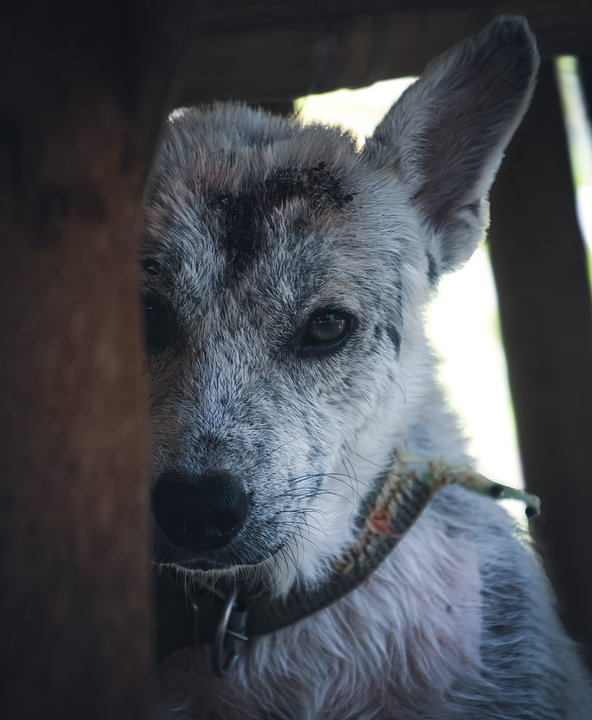
Dogs, like humans, can experience fear and anxiety. While some fear is natural, excessive fear can impact a dog’s quality of life and strain the bond between pet and owner. Understanding the root of your pet’s anxiety and employing strategies to alleviate it can lead to a happier and healthier life for your furry friend. This article explores effective strategies to help your dog overcome fear, promoting a calm and balanced demeanor.
Understanding Dog Fear and Anxiety
Fear is a natural emotion that helps animals, including dogs, survive. However, when fear becomes overwhelming or irrational, it can become problematic. Fear in dogs can manifest in various ways, including trembling, hiding, excessive barking, or even aggression. Common triggers include loud noises, unfamiliar environments, and past traumatic experiences.
Anxiety, on the other hand, is more about anticipation of future events. Separation anxiety is a prevalent form, where dogs become distressed when left alone. Recognizing the signs of fear and anxiety is the first step towards helping your dog overcome these challenges.
Identifying Triggers
Identifying what specifically triggers your dog’s fear or anxiety is crucial. Keep a journal of your dog’s behavior, noting what happens before, during, and after an episode of fear. Common triggers include:
- Thunderstorms or fireworks
- Strangers or unfamiliar animals
- Riding in cars
- Being left alone
Once you identify the triggers, you can begin to implement strategies tailored to your dog’s specific needs.
Desensitization and Counter-Conditioning
Desensitization involves exposing your dog to the fear-inducing stimulus in a controlled way, gradually increasing exposure over time. For example, if your dog fears the vacuum cleaner, start by turning it on in another room while rewarding your dog with treats. Gradually move the vacuum closer as your dog becomes more comfortable.
Counter-conditioning pairs the fearful stimulus with something positive. If your dog fears thunderstorms, play a recording of thunder at a low volume while giving treats. Over time, your dog will associate the sound with positive experiences instead of fear.
Creating a Safe Space
Providing a safe space for your dog can help alleviate fear. This space should be a quiet, comfortable area where your dog feels secure. Equip the space with your dog’s favorite toys, a cozy bed, and maybe a piece of your clothing for comfort. Encourage your dog to retreat to this area during stressful events.
Exercise and Mental Stimulation
Regular physical exercise and mental stimulation are essential for a balanced, calm dog. Exercise helps reduce stress and anxiety, while mental stimulation keeps your dog engaged and distracted from fear triggers. Activities like puzzle toys, obedience training, and interactive games can be beneficial.
Calming Products and Tools
Several products can help calm an anxious or fearful dog. These include:
- Thundershirts or anxiety wraps: These apply gentle pressure, helping to soothe your dog.
- Calming pheromone diffusers: Products like Adaptil release synthetic pheromones that mimic those produced by nursing mothers, providing comfort.
- Herbal supplements and CBD oil: These can promote relaxation in some dogs, but always consult your vet before use.
Professional Assistance
If your dog’s fear or anxiety is severe, seeking professional help may be necessary. A certified dog trainer or behaviorist can provide guidance tailored to your dog’s specific issues. In some cases, a veterinarian may recommend medication to manage anxiety effectively.
Consistency and Patience
Overcoming fear and anxiety in dogs takes time and patience. Consistency in applying strategies is vital. Setbacks may occur, but persistence will often lead to success. Celebrate small victories and remain patient with your furry companion throughout the process.
Conclusion
Helping your dog conquer fear and anxiety is a rewarding journey that strengthens the bond between you and your pet. By understanding the underlying causes, identifying triggers, and employing effective strategies, you can guide your dog towards a more peaceful and contented life. Remember, your love and support are crucial as your dog navigates its way to becoming a calmer and happier pet.