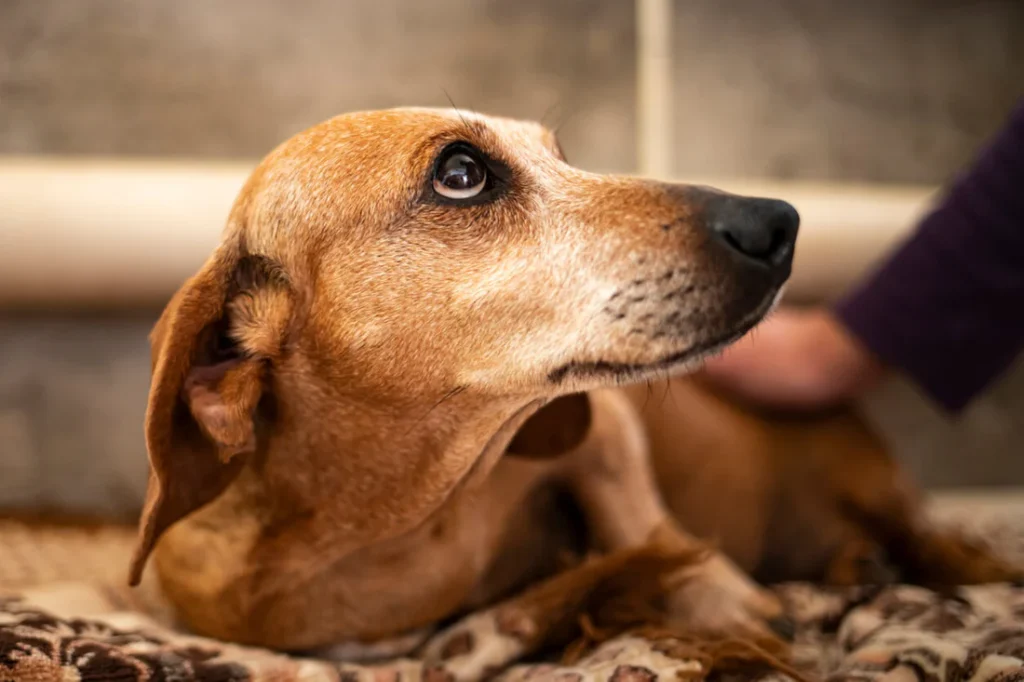
Anxiety in dogs is a common issue that many pet owners face. This condition can manifest in various forms, such as separation anxiety, noise phobias, or general anxiety. Understanding the root cause of your dog’s anxiety is crucial for finding the most effective solutions. Anxiety can be triggered by changes in environment, lack of socialization, or traumatic experiences. Recognizing the symptoms, which often include excessive barking, destructive behavior, trembling, or aggression, is the first step toward helping your pet.
Identifying the Causes of Anxiety
To effectively address your dog’s anxiety, it’s essential to identify the underlying causes. Dogs, like humans, can experience anxiety due to a variety of reasons. Some common causes include:
Separation Anxiety
This is one of the most common forms of anxiety in dogs. It occurs when a dog becomes stressed due to separation from their owner. Dogs are social animals and can become very attached to their human companions. Symptoms may include barking, whining, or destructive behavior when left alone.
Noise Phobias
Loud noises such as thunderstorms, fireworks, or construction sounds can trigger anxiety in dogs. Noise phobias can lead to panic, causing the dog to hide, tremble, or even become aggressive.
Lack of Socialization
Dogs that have not been properly socialized as puppies may develop anxiety when exposed to new people, animals, or environments. This can result in fear-based aggression or withdrawal.
Past Trauma
Rescue dogs or those with a history of abuse may exhibit anxiety due to past traumatic experiences. These dogs require patience and understanding to overcome their fears.
Effective Solutions for Dog Anxiety
Once you understand the cause of your dog’s anxiety, you can begin to implement effective solutions. Below are several strategies that can help soothe an anxious dog and promote a calmer demeanor.
Behavioral Training
Behavioral training can be a powerful tool in managing dog anxiety. Positive reinforcement techniques, such as rewarding calm behavior, can help your dog associate anxiety-inducing situations with positive outcomes. Gradual desensitization, where the dog is slowly exposed to the source of anxiety in a controlled manner, can also be beneficial.
Exercise and Mental Stimulation
Regular physical exercise and mental stimulation are crucial for reducing anxiety in dogs. Exercise helps to release pent-up energy and produces endorphins, which are natural mood enhancers. Activities such as fetch, agility training, or puzzle toys can keep your dog’s mind engaged and reduce stress.
Calming Products
There are various products available that can help calm an anxious dog. These include:
– **Thundershirt**: A snug-fitting garment that applies gentle pressure, similar to swaddling a baby, which can help reduce anxiety.
– **Aromatherapy**: Certain scents, such as lavender or chamomile, have calming effects on dogs. Diffusers or sprays with these scents can be used in the home.
– **Calming Supplements**: Natural supplements containing ingredients like L-theanine, chamomile, or CBD oil can help reduce anxiety in some dogs. Always consult with a veterinarian before introducing new supplements to your dog’s diet.
Medication
In severe cases of anxiety, medication may be necessary. Veterinarians can prescribe anti-anxiety medications that can help manage symptoms. However, medication should be considered a last resort and used in conjunction with behavioral training and other non-pharmacological methods.
Creating a Safe Environment
A safe and comfortable environment is essential for an anxious dog. Here are some tips for creating a calming space:
Safe Space
Provide your dog with a designated safe space where they can retreat when feeling anxious. This could be a crate, a specific room, or a cozy corner with their favorite bedding and toys.
Consistent Routine
Dogs thrive on routine, and maintaining a consistent schedule can help reduce anxiety. Regular feeding times, walks, and play sessions provide structure and predictability, making your dog feel more secure.
Minimize Triggers
Identify and minimize exposure to anxiety triggers whenever possible. For example, if your dog is afraid of loud noises, consider using white noise machines or playing gentle music to mask the sounds.
The Role of Diet in Reducing Anxiety
Diet can play a significant role in managing anxiety levels in dogs. A balanced diet rich in omega-3 fatty acids, antioxidants, and amino acids can support brain health and reduce stress. Consider the following dietary considerations:
High-Quality Proteins
Proteins are essential for neurotransmitter production, which influences mood and behavior. Ensure your dog’s diet includes high-quality protein sources, such as chicken, fish, or lamb.
Omega-3 Fatty Acids
Omega-3 fatty acids, found in fish oil, have anti-inflammatory properties and can improve cognitive function. They are beneficial for overall brain health and can help reduce anxiety.
Complex Carbohydrates
Complex carbohydrates, like sweet potatoes or brown rice, provide a steady release of energy and can help maintain stable blood sugar levels, reducing stress and anxiety.
Seeking Professional Help
If your dog’s anxiety is severe or does not improve with home interventions, seeking professional help is advisable. A certified animal behaviorist or a veterinarian specializing in behavior can provide guidance and develop a tailored treatment plan for your dog.
Behavioral Therapists
Animal behaviorists are trained to assess and address behavioral issues in pets. They can work with you to identify triggers and develop a structured behavior modification plan.
Veterinary Consultation
A veterinarian can rule out any underlying medical conditions that may be contributing to anxiety. They can also provide recommendations for medication or supplements if needed.
Conclusion
Helping your dog overcome anxiety requires patience, understanding, and a multi-faceted approach. By identifying the root cause of anxiety, implementing effective solutions such as behavioral training, exercise, and creating a safe environment, you can help your furry friend lead a happier, calmer life. Remember, every dog is unique, and what works for one may not work for another. It’s essential to remain patient and compassionate as you work towards finding the best solution for your pet. With time and commitment, you can significantly improve your dog’s quality of life and strengthen the bond you share.