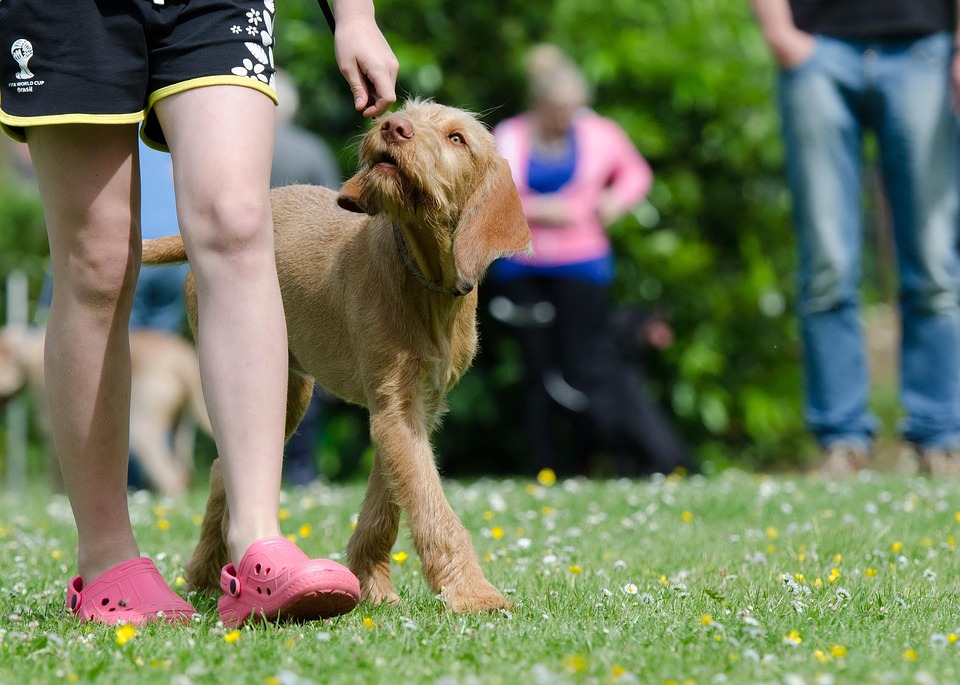
Training a dog can be both a rewarding and challenging experience. With the right techniques and mindset, you can achieve quick success and foster a strong bond with your furry friend. This article will guide you through effective dog training tips to ensure that your training sessions are productive and enjoyable for both you and your dog.
Understanding Your Dog’s Behavior
Before delving into specific training methods, it’s crucial to understand your dog’s behavior. Each dog is unique, with its own personality, motivations, and learning pace. Observing your dog’s behavior will help you tailor your training approach to suit its individual needs.
Recognize Body Language
Dogs communicate primarily through body language. By learning to read their signals, you can better understand their emotions and reactions. For example, a wagging tail doesn’t always mean happiness; it could also indicate excitement or anxiety. Pay attention to your dog’s ears, eyes, and posture to interpret their mood accurately.
Identify Motivators
Every dog has different motivators that drive their behavior. Some dogs respond well to treats, while others are more motivated by toys or praise. Identifying what motivates your dog can help you use positive reinforcement effectively during training sessions.
Establishing a Training Routine
Consistency is key when it comes to dog training. Establishing a structured routine will help your dog understand expectations and reinforce learning.
Set a Schedule
Choose a regular time each day for training sessions. Short, frequent sessions are more effective than long, infrequent ones. Aim for 10-15 minute sessions, 2-3 times a day. This keeps your dog engaged without overwhelming them.
Choose a Distraction-Free Environment
Start training in a quiet, distraction-free environment. As your dog becomes more proficient, gradually introduce distractions to help them generalize their learning to different settings.
Implementing Positive Reinforcement
Positive reinforcement is one of the most effective training methods. It involves rewarding your dog for desired behaviors, encouraging them to repeat those actions.
Use Treats Wisely
Use small, tasty treats as rewards for good behavior. Ensure the treats are healthy and appropriate for your dog’s diet. Over time, you can phase out treats and replace them with praise or play.
Be Consistent with Commands
Use the same commands consistently to avoid confusing your dog. Keep commands short and clear. For example, use “sit” instead of “please sit down.”
Reward Immediately
Timing is crucial in positive reinforcement. Reward your dog immediately after they perform the desired behavior. This helps them associate the action with the reward.
Teaching Basic Commands
Basic commands form the foundation of good behavior and communication between you and your dog. Start with these essential commands:
Sit
Begin by holding a treat close to your dog’s nose. Move your hand up, allowing their head to follow the treat and causing their bottom to lower. Once they’re in a sitting position, say “sit” and give them the treat. Repeat several times daily.
Stay
Ask your dog to sit. Open your palm in front of them and say “stay.” Take a few steps back. If they stay, reward them with a treat. Gradually increase the distance and duration of the stay.
Come
Put a leash on your dog and lower yourself to their level. Say “come” and gently pull the leash towards you. When they reach you, reward them with a treat and praise. Practice in various locations to ensure reliability.
Addressing Behavioral Issues
Behavioral issues can disrupt training progress. Address these challenges promptly to maintain a positive training environment.
Barking
Identify the cause of excessive barking. It could be due to boredom, fear, or territorial behavior. Provide mental stimulation and exercise to curb boredom. Use desensitization techniques for fear-related barking.
Chewing
Ensure your dog has access to appropriate chew toys. If they start chewing on inappropriate items, redirect them to a toy. Reward them when they choose the toy.
Jumping
Ignore jumping behavior and do not provide attention. Encourage your dog to sit before giving attention. Reward the sitting behavior instead of jumping.
Advanced Training Techniques
Once your dog has mastered basic commands, you can introduce more advanced training techniques to keep them mentally stimulated.
Clicker Training
Clicker training involves using a small device that makes a clicking sound to mark desired behaviors. Pair the click with a treat to reinforce positive actions. Over time, your dog will associate the click with a reward.
Agility Training
Agility training is a fun way to engage your dog’s mind and body. Set up an obstacle course in your backyard and guide your dog through it using commands and rewards.
Maintaining Patience and Persistence
Training a dog requires patience and persistence. Progress may be slow at times, but consistency will yield results.
Avoid Punishment
Punishment can damage the trust between you and your dog. Focus on reinforcing positive behaviors rather than punishing negative ones.
Celebrate Small Wins
Celebrate small achievements and acknowledge your dog’s efforts. This boosts their confidence and encourages continued progress.
Adjust Expectations
Every dog learns at its own pace. Adjust your expectations based on your dog’s individual capabilities. Be patient and understanding throughout the process.
Conclusion
Effective dog training requires a combination of understanding, consistency, and positive reinforcement. By implementing these tips and maintaining a patient attitude, you can achieve quick success in training your dog. Remember, the goal is to build a strong bond and create a harmonious relationship with your furry companion. Happy training!
#ChatGPT assisted in the creation of this article.