As a dog owner, ensuring the safety and well-being of your furry friend is a top priority. While regular veterinary visits are crucial, knowing how to handle emergencies before you reach a professional can make a significant difference in your dog’s health. This guide will provide essential first aid tips every dog owner should know to keep their pet safe and healthy.
Understanding the Basics of Dog First Aid
First aid for dogs involves immediate, temporary care provided to an injured or ill dog until professional help is available. Just like in humans, timely intervention can prevent the worsening of an injury or condition. Familiarizing yourself with basic first aid can prepare you for emergencies, potentially saving your pet’s life.
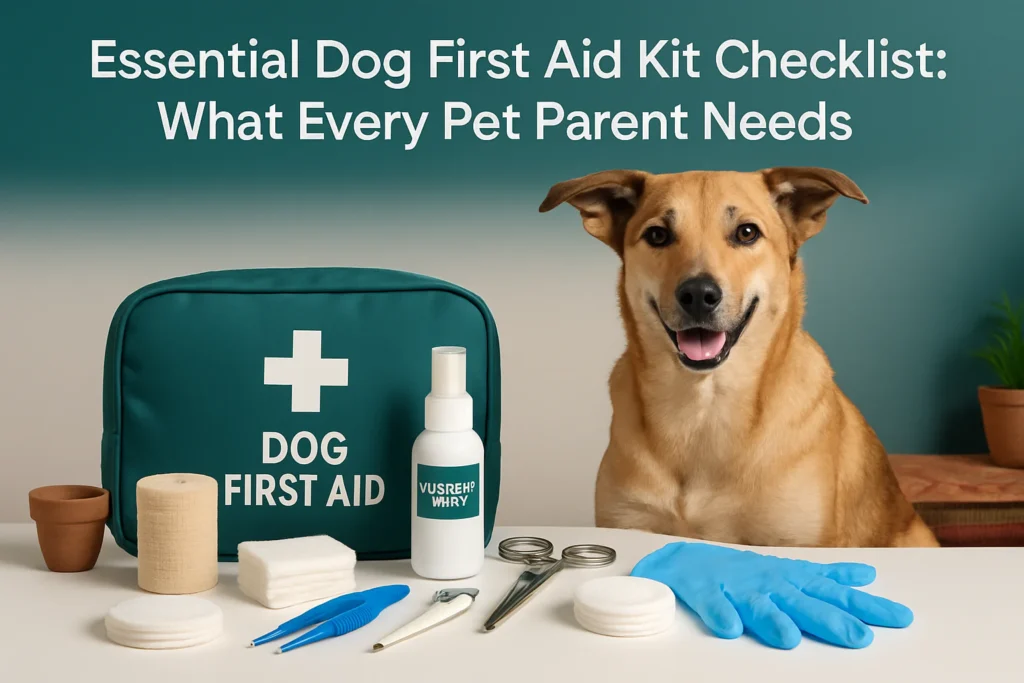
Assembling a Canine First Aid Kit
A first aid kit is an indispensable tool for any dog owner. It should contain items that help address common injuries and illnesses. Here’s a list of essentials:
- Gauze and bandages for wrapping wounds
- Adhesive tape to secure bandages
- Antiseptic wipes or solution to clean wounds
- Tweezers for tick or splinter removal
- Scissors with a blunt end for cutting bandages
- Hydrogen peroxide to induce vomiting (only under professional guidance)
- Digital thermometer for checking temperature
- Disposable gloves for handling injuries
- Pet-safe pain relievers (consult your vet before administering)
- Emergency contact numbers, including your veterinarian and a local animal hospital
Recognizing Signs of Distress
Being able to identify when your dog is in distress is crucial. Look for symptoms such as excessive panting, limping, bleeding, vomiting, or unconsciousness. Rapid intervention can prevent further complications.
Handling Common Emergencies
Let’s explore how to deal with some common emergencies:
Bleeding
If your dog is bleeding, apply direct pressure to the wound with a clean cloth or bandage. Elevate the injured area if possible and keep pressure on it until the bleeding stops. Avoid using a tourniquet unless absolutely necessary, as it can cause severe damage.
Choking
Signs of choking include coughing, gagging, pawing at the mouth, or difficulty breathing. If you can see the object, carefully remove it with tweezers. If not, perform a modified Heimlich maneuver by placing your hands behind the last rib and applying quick, firm pressure.
Heatstroke
Dogs can suffer from heatstroke, especially on hot days. Symptoms include excessive panting, drooling, lethargy, and collapse. Move your dog to a cooler area, offer them water, and apply cool (not cold) wet towels to their body. Avoid ice packs, as they can constrict blood vessels and worsen the condition.
Poisoning
If you suspect your dog has ingested poison, look for symptoms such as vomiting, diarrhea, seizures, or lethargy. Contact your vet immediately and provide details about the substance, if known. Do not induce vomiting unless instructed by a professional, as some substances can cause more harm if brought back up.
Prevention: The Best Medicine
Preventive measures can significantly reduce the risk of emergencies. Here are some strategies to consider:
Regular Check-ups
Routine veterinary visits can catch potential health issues early. Vaccinations, parasite control, and dental check-ups are vital components of preventive care.
Safe Environment
Ensure your home and yard are safe for your dog. Remove toxic plants, secure cleaning supplies, and provide a fenced area to prevent escapes.
Proper Training
Basic obedience training can prevent accidents. Teaching commands like “stay” and “leave it” can keep your dog away from danger.
Knowing When to Seek Professional Help
While first aid is crucial, some situations require immediate veterinary attention. Seek professional help if:
- The bleeding doesn’t stop after 10 minutes of pressure.
- Your dog shows signs of shock, such as pale gums or rapid breathing.
- They have difficulty breathing or are unresponsive.
- They have been exposed to a known toxin or poison.
Conclusion
Being prepared with first aid knowledge and a well-stocked kit can make a significant difference in your dog’s health during an emergency. While prevention is always the best strategy, knowing how to respond to common emergencies can save your pet’s life. Remember, while first aid is a crucial skill, it is not a substitute for professional veterinary care. Always follow up with a veterinarian after applying first aid.
As a responsible dog owner, your vigilance, preparedness, and prompt action can ensure your beloved pet’s safety and well-being.
#ChatGPT assisted in the creation of this article.