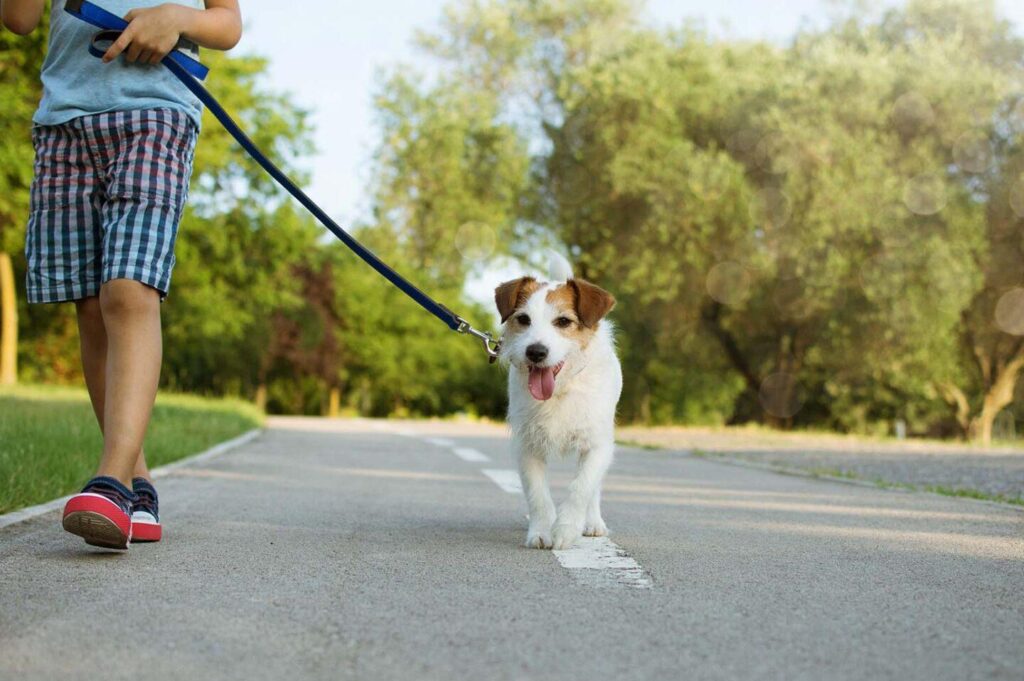
Walking your dog should be one of the most enjoyable activities you share together. However, without proper leash training, these outings can become stressful and frustrating for both you and your furry friend. Leash pulling, lunging, and erratic behavior can make walks challenging. The good news is that with the right techniques and patience, you can master leash training and transform your dog’s walks into a pleasant and enriching experience. This article will guide you through the essentials of leash training, offering tips and strategies to ensure success.
Understanding the Basics of Leash Training
Before diving into the techniques, it’s crucial to understand the fundamentals of leash training. The primary goal is to teach your dog to walk calmly by your side without pulling or lunging. This not only ensures safety but also strengthens the bond between you and your dog.
The Importance of Leash Training
Proper leash training is essential for several reasons:
1. **Safety:** A well-trained dog is less likely to dart into traffic or approach other dogs or people aggressively.
2. **Control:** It provides you with better control over your dog’s movements, allowing you to navigate various environments with ease.
3. **Socialization:** Leash training helps your dog become more accustomed to different sights, sounds, and smells, aiding in their social development.
4. **Bonding:** Training sessions are an opportunity to strengthen the bond between you and your dog, enhancing mutual trust and respect.
Choosing the Right Equipment
The first step in leash training is selecting the appropriate equipment. Here are a few essentials:
– **Collar or Harness:** A comfortable collar or harness is crucial. Many trainers recommend a harness over a collar, especially for dogs that tend to pull, as it provides better control and reduces strain on the dog’s neck.
– **Leash:** A standard 4 to 6-foot leash is ideal for training. Retractable leashes are not recommended as they offer less control and can reinforce pulling behavior.
– **Treats:** High-value treats are essential for positive reinforcement during training sessions. Choose treats that your dog loves and are easy to carry.
Step-by-Step Guide to Mastering Leash Training
Step 1: Setting the Foundation Indoors
Begin training in a distraction-free environment, such as your home. This allows your dog to focus solely on you without external stimuli.
1. **Introduce the Leash:** Allow your dog to become familiar with the leash by letting them sniff and explore it. Attach it to their collar or harness and let them wear it around the house for short periods.
2. **Practice Attention:** Use treats to capture your dog’s attention. Say their name and when they look at you, reward them with a treat. This builds the foundation for eye contact and focus during walks.
Step 2: Teaching Loose-Leash Walking
Once your dog is comfortable indoors, it’s time to teach them how to walk without pulling.
1. **Start Small:** Begin in your yard or a quiet outdoor area. Hold the leash firmly and start walking. If your dog begins to pull, stop immediately. Do not move until the leash is slack again.
2. **Reward Good Behavior:** When your dog walks beside you with a loose leash, reward them with a treat and verbal praise. Consistent reinforcement is key to success.
3. **Practice Turns:** Change direction frequently during your walk. This encourages your dog to pay attention to your movements and helps prevent pulling.
Step 3: Gradually Increase Distractions
As your dog becomes proficient in walking on a loose leash, gradually introduce more distractions.
1. **Add Difficulty:** Take your dog to different environments with varying levels of distractions, such as parks or busy streets. Start with less crowded areas and gradually increase the level of difficulty.
2. **Use Positive Reinforcement:** Continue to reward your dog for maintaining focus and walking calmly beside you. Patience and consistency are vital.
Step 4: Addressing Common Challenges
Leash training can present several challenges. Here are some common issues and how to address them:
1. **Pulling:** If your dog pulls, stop walking immediately. Wait for the leash to slacken before resuming. Reward your dog for walking without pulling.
2. **Lunging at Other Dogs or People:** If your dog lunges, create distance between you and the trigger. Redirect their attention with treats or commands, and gradually work on desensitization.
3. **Distractions:** Use high-value treats to capture your dog’s attention when faced with distractions. Practice commands like “watch me” to maintain focus.
Advanced Leash Training Techniques
Once your dog has mastered basic leash skills, you can explore advanced techniques to further enhance their walking behavior.
Heel Command
Teaching your dog to “heel” is a valuable skill for ensuring they walk closely by your side.
1. **Command Introduction:** Start by having your dog sit beside you. Use a treat to guide them into position and say “heel” as you begin walking.
2. **Consistency and Practice:** Practice the heel command regularly. Reward your dog for maintaining the position and gradually increase the duration and distance.
Incorporating Obstacles
Introduce obstacles to challenge your dog’s focus and obedience during walks.
1. **Obstacle Courses:** Set up simple obstacle courses using cones or household items. Guide your dog through the course, reinforcing leash skills and focus.
2. **Environmental Challenges:** Use natural obstacles like curbs and benches to practice commands and reinforce control in real-life scenarios.
Maintaining Consistency and Patience
Leash training is an ongoing process that requires consistency and patience. Here are some tips to maintain progress:
– **Regular Practice:** Make leash training a regular part of your routine. Consistency is key to reinforcing good behavior.
– **Stay Calm:** Dogs can sense frustration. Stay calm and patient during training sessions, and avoid using harsh corrections.
– **Adapt to Your Dog’s Pace:** Every dog is unique, and progress may vary. Adapt your training approach to suit your dog’s learning style and pace.
Conclusion
Mastering leash training is a rewarding journey that can transform your dog’s walks from chaotic to enjoyable. By understanding the basics, using positive reinforcement, and addressing challenges with patience, you can foster a lifelong habit of good walking behavior. Remember, consistency and practice are essential, and every small step forward is progress. With dedication and love, you’ll create memorable and stress-free walks that both you and your dog will cherish.