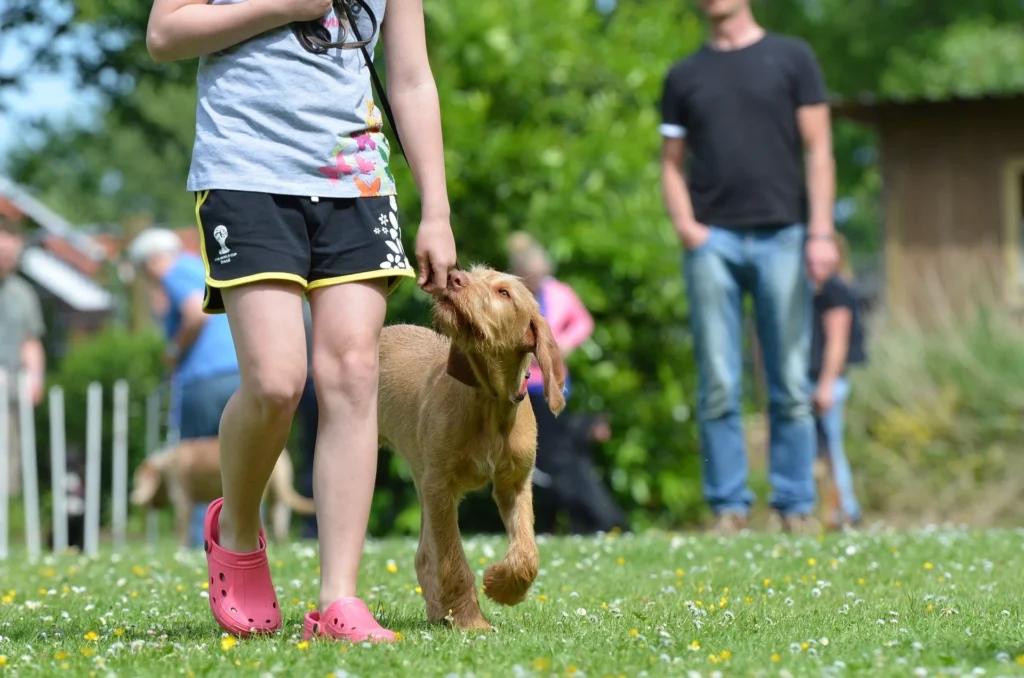
Bringing a new puppy home is an exciting and joyful experience. However, with the joy comes the responsibility of training and molding your puppy into a well-behaved companion. Mastering puppy training is essential for new owners who wish to build a strong, healthy relationship with their furry friends. This article will guide you through the essential basics of puppy training, ensuring that you and your puppy enjoy a harmonious life together.
Understanding Your Puppy’s Needs
Before diving into the training process, it’s important to understand your puppy’s needs. Puppies are like sponges, eager to learn and adapt to their new environment. They require consistency, patience, and positive reinforcement. Knowing your puppy’s breed characteristics and energy levels can help tailor the training process to suit their unique personality.
Establishing a Routine
One of the first steps in puppy training is establishing a routine. Puppies thrive on consistency, and having a predictable schedule helps them feel secure. Create a daily routine that includes feeding times, bathroom breaks, playtime, and training sessions. Consistency in these activities will aid in establishing good habits and reducing anxiety in your puppy.
House Training Basics
House training is a top priority for new puppy owners. The key to successful house training is patience and vigilance. Start by taking your puppy outside frequently, especially after meals, play sessions, and naps. Praise and reward them immediately after they eliminate outside to reinforce the behavior. Accidents inside are inevitable; remain patient and avoid punishment, as it can hinder the learning process. Instead, clean accidents thoroughly to remove any lingering scent that might attract your puppy to the same spot.
Socialization: Building Confidence
Socialization is a crucial aspect of puppy training. It involves exposing your puppy to various people, environments, sounds, and other animals. Proper socialization helps prevent behavioral problems and builds a confident, well-adjusted dog. Start socializing your puppy early, gradually introducing them to new experiences. Puppy classes, dog parks, and controlled playdates can provide valuable socialization opportunities.
Basic Commands: Laying the Foundation
Teaching basic commands is an essential part of puppy training. Commands like “sit,” “stay,” “come,” and “leave it” establish a foundation for good behavior. Use positive reinforcement techniques, such as treats and praise, to encourage your puppy to follow commands. Keep training sessions short and fun, focusing on one command at a time. Consistency and repetition are key to reinforcing these commands.
Handling Biting and Chewing
Puppies explore the world with their mouths, which often leads to biting and chewing. While this behavior is natural, it’s important to redirect it appropriately. Provide your puppy with plenty of chew toys and discourage biting by redirecting their attention to these toys. If your puppy bites during play, stop playtime and ignore them for a brief period to teach them that biting leads to the end of fun.
Crate Training: Creating a Safe Space
Crate training is an effective method for house training and creating a safe space for your puppy. A crate can serve as a den-like environment where your puppy feels secure. Introduce the crate gradually, making it a positive experience by placing treats and toys inside. Never use the crate as punishment. Instead, use it for short periods initially, gradually increasing the time as your puppy becomes comfortable.
Addressing Separation Anxiety
Separation anxiety is common in puppies, especially when they are left alone for extended periods. To address this, practice leaving your puppy alone for short intervals, gradually increasing the time. Provide them with interactive toys to keep them occupied, and avoid making a big fuss when leaving or returning home. Creating a positive association with alone time will help alleviate separation anxiety over time.
Positive Reinforcement: The Key to Success
Positive reinforcement is the cornerstone of effective puppy training. Reward-based training encourages desired behaviors and strengthens the bond between you and your puppy. Use treats, praise, and affection to reward your puppy for good behavior, and ignore or redirect unwanted behaviors. Consistent positive reinforcement builds trust and motivates your puppy to learn and obey commands willingly.
Consistency and Patience
Consistency and patience are essential qualities for successful puppy training. Puppies learn through repetition and need time to understand what is expected of them. Be patient with your puppy and maintain a consistent approach to training. Avoid frustration or harsh discipline, as it can hinder the learning process and damage the trust between you and your puppy.
Seeking Professional Help
Sometimes, despite your best efforts, you may encounter challenges in training your puppy. In such cases, seeking professional help can be beneficial. Professional dog trainers have the expertise to address specific behavioral issues and provide personalized guidance. Don’t hesitate to reach out for professional assistance if needed, ensuring that you and your puppy receive the support necessary for a successful training journey.
Conclusion
Mastering puppy training is a rewarding journey that paves the way for a lifelong bond with your furry companion. By understanding your puppy’s needs, establishing routines, and using positive reinforcement, you can lay the foundation for a well-behaved and happy dog. Remember, each puppy is unique, and the training process may require time and patience. With dedication and love, you’ll raise a confident, well-adjusted puppy who will bring joy to your life for years to come.