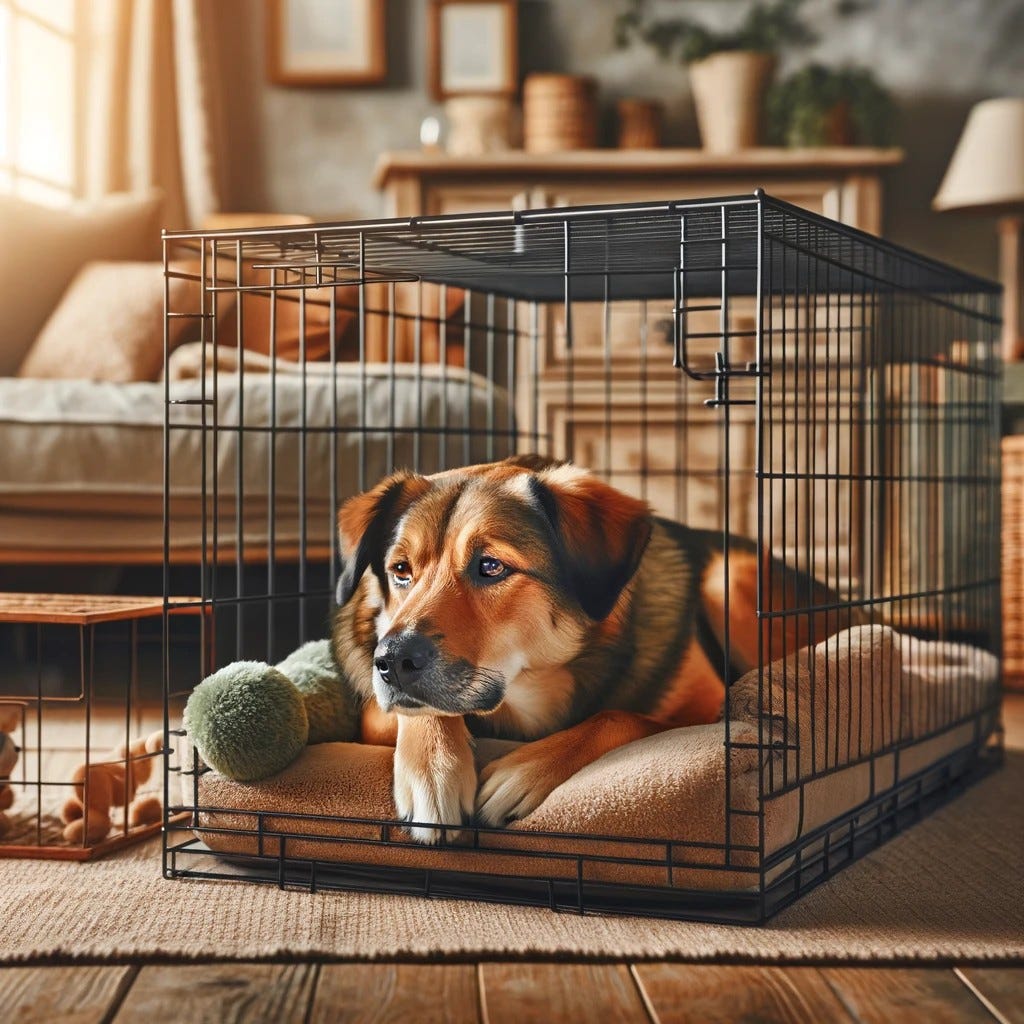
Crate training is a valuable tool for pet owners, offering a safe haven for dogs and a means to manage their behavior effectively. When done correctly, it aids in housebreaking, reduces anxiety, and creates a secure space for your pet to retreat. However, mastering crate training requires patience, consistency, and understanding of canine behavior. This article explores the essential tips for successful crate training, ensuring a positive experience for both you and your furry friend.
Understanding the Purpose of Crate Training
Before embarking on crate training, it’s crucial to understand its purpose. A crate serves as a den-like environment for dogs, tapping into their natural instincts as den animals. It provides a personal space where they can relax and feel safe. When used appropriately, it helps in:
- House Training: Dogs naturally avoid soiling their sleeping area, making crates effective for housebreaking.
- Preventing Destructive Behavior: A crate can limit access to the rest of the house, reducing the risk of destructive chewing or other unwanted behaviors when unsupervised.
- Travel Safety: Crates provide a secure environment for dogs during car rides and trips, ensuring their safety.
Choosing the Right Crate
Selecting the appropriate crate is the first step in successful training. Consider the following factors:
Size
The crate should be large enough for your dog to stand, turn around, and lie down comfortably. However, it shouldn’t be so big that they can designate one corner as a bathroom. For growing puppies, consider a crate with dividers to adjust the space as they grow.
Material
Crates come in various materials, each with its advantages:
- Wire Crates: These provide good ventilation and visibility, and many are collapsible for storage or travel.
- Plastic Crates: Often used for airline travel, they offer a more enclosed environment, which can be comforting for some dogs.
- Soft-sided Crates: Lightweight and portable, these are best for smaller dogs and those that are already crate-trained.
Introducing the Crate
Introducing your dog to the crate in a positive manner is crucial. Here’s how to do it:
Make it Inviting
Place the crate in a living area where your family spends time. Add a soft bed or blanket and some of your dog’s favorite toys. This makes the crate an inviting and comfortable space.
Encouraging Exploration
Allow your dog to explore the crate at their own pace. Encourage them with treats and praise when they show interest. Avoid forcing them inside, as this can create negative associations.
Feeding Inside the Crate
Begin feeding your dog near the crate, gradually moving the food dish inside. This creates positive associations with the crate, as mealtime becomes a pleasant experience.
Establishing a Crate Training Routine
A consistent routine is key to effective crate training. Here’s how to establish one:
Short Periods
Start with short periods inside the crate. Close the door for a few minutes while you’re nearby, gradually increasing the duration as your dog becomes comfortable.
Use a Command
Introduce a command such as “crate” or “bedtime” when you want your dog to enter the crate. Use treats and praise to reinforce the command, making it a positive experience.
Consistency is Key
Consistency is crucial in crate training. Stick to a routine, using the crate at regular times such as bedtime or when leaving the house, to help your dog adapt.
Handling Crate Training Challenges
While crate training can be straightforward for some dogs, others may face challenges. Here’s how to address common issues:
Separation Anxiety
If your dog shows signs of separation anxiety, such as excessive barking or whining, it’s important to address it gradually. Start by leaving the room for short periods, gradually increasing the time away as they become more comfortable.
Resistance to Entering the Crate
If your dog resists entering the crate, return to basics. Use treats and toys to encourage them, and avoid using the crate as punishment. Patience and positive reinforcement are key.
Accidents in the Crate
If your dog has accidents in the crate, it may be due to a crate that’s too large or leaving them inside for too long. Ensure regular potty breaks and adjust the crate size if necessary.
Maintaining a Positive Association
Maintaining a positive association with the crate is crucial for long-term success. Here’s how to ensure your dog continues to view the crate as a safe and comfortable space:
Never Use the Crate as Punishment
Avoid using the crate as a place of punishment. This can create negative associations, making your dog reluctant to enter willingly. Instead, focus on positive reinforcement techniques.
Provide Enrichment
Make the crate a fun and engaging space by providing toys, chew items, and interactive games. This keeps your dog entertained and prevents boredom.
Regular Exercise
Ensure your dog gets plenty of exercise and mental stimulation outside the crate. This helps reduce restlessness and anxiety, making them more content inside the crate.
Gradually Increasing Crate Time
As your dog becomes more comfortable with the crate, you can gradually increase the time they spend inside. Here’s how:
Monitor Their Behavior
Pay attention to your dog’s behavior when inside the crate. If they remain calm and relaxed, you can slowly extend their time inside. If they show signs of stress, reduce the duration and build up more gradually.
Incorporate Crate Time into Daily Routine
Include crate time in your dog’s daily routine, such as during meals or while you complete household tasks. This helps them view the crate as a normal part of life.
Overnight Stays
Once your dog is comfortable with the crate, you can introduce overnight stays. Ensure the crate is in a quiet, comfortable location and provide a cozy bed for them to sleep on.
Conclusion
Mastering crate training is a journey that requires patience, consistency, and understanding of your dog’s needs. By choosing the right crate, introducing it positively, and establishing a routine, you can create a safe and comfortable environment for your furry friend. Remember, every dog is unique, so tailor your approach to their individual personality and behavior. With time and effort, crate training can become a positive and rewarding experience for both you and your dog, fostering a strong bond built on trust and understanding.
#ChatGPT assisted in the creation of this article.