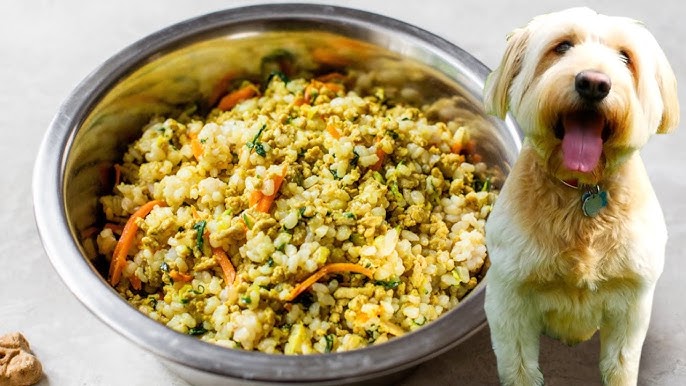
As more pet owners become conscious of what they are feeding their furry friends, the interest in homemade dog food has grown significantly. Making dog food at home allows you to select high-quality ingredients, tailor meals to your dog’s specific dietary needs, and avoid unnecessary additives and preservatives. In this article, we will explore the benefits of homemade dog food, essential nutrients for dogs, and share some nutritious recipes to keep your pet healthy and happy.
Why Choose Homemade Dog Food?
While commercial dog food can be convenient, it often contains fillers, artificial flavors, and preservatives that may not be ideal for your pet’s health. Homemade dog food provides several benefits:
- Quality Control: You have complete control over the ingredients, ensuring that your dog is consuming high-quality, nutritious food.
- Customization: Homemade meals can be tailored to your dog’s specific dietary needs, including allergies, weight management, or medical conditions.
- Freshness: Meals are prepared fresh, minimizing the risk of foodborne illnesses and ensuring optimal nutrient retention.
Essential Nutrients for Dogs
Dogs require a balanced diet that includes proteins, carbohydrates, fats, vitamins, and minerals. Understanding these nutrients will help you create well-rounded meals for your pet:
Proteins
Proteins are crucial for muscle development and repair, and they provide essential amino acids that dogs cannot produce on their own. Good sources include chicken, beef, turkey, fish, and eggs.
Carbohydrates
Carbohydrates provide energy and should come from healthy sources like brown rice, sweet potatoes, and oats. They also add fiber to aid in digestion.
Fats
Fats are a concentrated energy source and are necessary for healthy skin and coat. Omega-3 and omega-6 fatty acids, found in fish oil and flaxseed, are beneficial.
Vitamins and Minerals
A variety of vitamins and minerals are essential for overall health. Leafy greens, carrots, and fruits like blueberries provide these nutrients.
Transitioning to Homemade Dog Food
Before transitioning your dog to homemade food, consult your veterinarian to ensure the diet meets your pet’s nutritional needs. Start by gradually mixing homemade meals with their current food over a week to avoid digestive upset.
Nutritious Homemade Dog Food Recipes
Here are some easy and nutritious recipes to get you started:
Chicken and Rice Delight
- Ingredients: 2 cups of cooked brown rice, 1 pound of ground chicken, 1 cup of chopped spinach, 1 cup of diced carrots, 1 tablespoon of fish oil.
- Instructions: Cook the ground chicken thoroughly in a pan, then add the spinach and carrots. Cook until the vegetables are tender. Mix with the brown rice and fish oil. Allow it to cool before serving.
Beef and Sweet Potato Medley
- Ingredients: 1 pound of lean ground beef, 1 large sweet potato (peeled and cubed), 1 cup of green beans (chopped), 1 apple (cored and diced), 1 teaspoon of ground turmeric.
- Instructions: Brown the ground beef in a pan, then add the sweet potato cubes and cook until tender. Stir in the green beans and apple, cooking until the beans are soft. Sprinkle with turmeric, mix well, and let it cool before serving.
Fish and Quinoa Feast
- Ingredients: 2 cups of cooked quinoa, 1 pound of salmon fillet (boneless and skinless), 1 zucchini (grated), 1 tablespoon of flaxseed oil, 1/2 cup of blueberries.
- Instructions: Bake the salmon at 350°F (175°C) until it flakes easily with a fork. Mix the cooked salmon with quinoa, grated zucchini, flaxseed oil, and blueberries. Allow it to cool before serving.
Important Considerations
When preparing homemade dog food, keep the following considerations in mind:
- Balanced Diet: Ensure that meals are balanced and meet your dog’s nutritional needs. Supplements may be necessary.
- Allergies and Sensitivities: Be aware of any food allergies or sensitivities your dog may have and adjust recipes accordingly.
- Portion Control: Monitor portion sizes to maintain a healthy weight for your pet. Overfeeding can lead to obesity and related health issues.
Conclusion
Homemade dog food can be a rewarding way to ensure your pet is getting the best nutrition possible. By selecting high-quality ingredients and following balanced recipes, you can provide meals that support your dog’s health and well-being. Always consult with a veterinarian to tailor your dog’s diet to their specific needs, and enjoy the process of preparing delicious, nutritious meals for your beloved pet.
#ChatGPT assisted in the creation of this article.