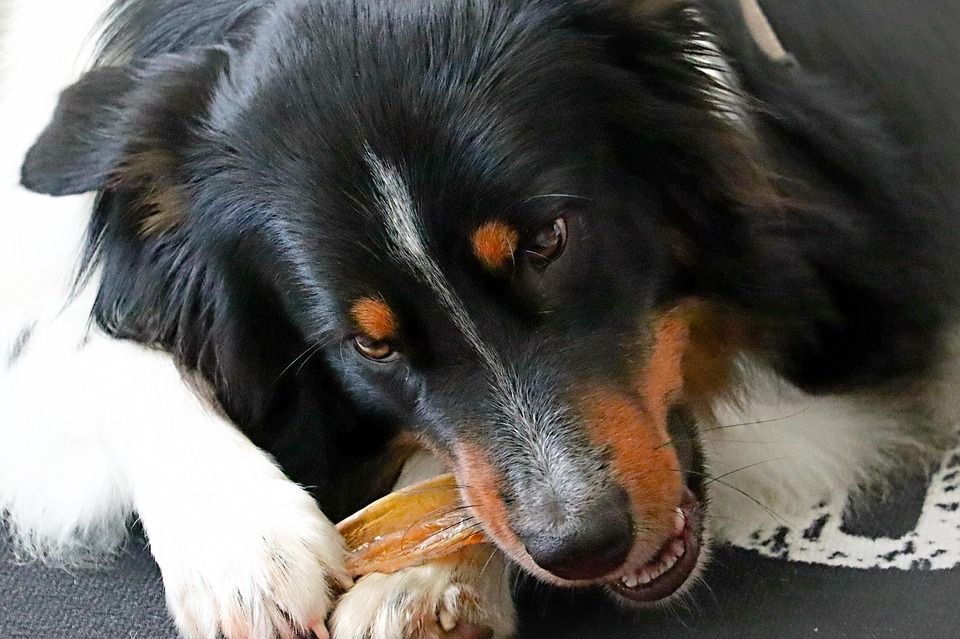
Chewing is a natural behavior for dogs. It serves several purposes, such as relieving boredom, reducing anxiety, and keeping teeth clean. Puppies, especially, are prone to chewing as they explore the world and soothe the discomfort of teething. However, when chewing becomes destructive, it can lead to frustration for pet owners. Understanding the reasons behind your dog’s chewing habits is the first step in addressing the issue effectively.
Puppy Teething
Just like human babies, puppies go through a teething phase. This is typically between the ages of three to six months when their baby teeth are replaced by adult teeth. During this period, puppies experience discomfort and tend to chew on anything they can find to alleviate the pain. Providing appropriate chew toys can help redirect this behavior.
Boredom and Lack of Exercise
Dogs are active creatures that require both physical and mental stimulation. A bored dog is more likely to engage in destructive chewing. Ensuring your dog receives adequate exercise and interactive playtime can significantly reduce unwanted chewing behaviors.
Anxiety and Stress
Chewing can be a coping mechanism for dogs experiencing anxiety or stress. Separation anxiety is a common condition where dogs become distressed when left alone, often resulting in destructive behaviors like chewing. Identifying and addressing sources of stress is crucial in helping your dog feel more secure.
Proven Solutions to Stop Destructive Chewing
Once you understand the root causes of your dog’s chewing behavior, you can implement strategies to mitigate the issue. Here are some proven solutions to help stop destructive chewing:
Provide Appropriate Chew Toys
Ensuring your dog has access to a variety of appropriate chew toys can redirect their attention from household items. Choose toys that are durable and designed for your dog’s size and chewing strength. Rotate the toys regularly to maintain your dog’s interest.
Exercise and Mental Stimulation
A tired dog is a well-behaved dog. Regular exercise tailored to your dog’s breed and age can help burn off excess energy that might otherwise be directed towards inappropriate chewing. Additionally, mental stimulation through puzzle toys, training sessions, and interactive play can keep your dog’s mind engaged and less likely to resort to chewing.
Positive Reinforcement Training
Use positive reinforcement to encourage your dog to chew on appropriate items. When you catch your dog chewing on a designated toy, praise them and offer a treat. Consistency is key; over time, your dog will associate chewing on the right items with positive outcomes.
Manage the Environment
Puppy-proof your home by keeping tempting items out of reach. Store shoes, clothes, and important documents in closed closets or high shelves. If necessary, use baby gates to restrict access to certain areas of the house when you cannot supervise your dog.
Address Anxiety Issues
If anxiety is the root cause of your dog’s chewing, consider consulting with a professional trainer or a veterinarian. They can help develop a behavior modification plan tailored to your dog’s needs. For dogs with severe anxiety, medications or supplements may be recommended as part of a comprehensive treatment plan.
Common Mistakes to Avoid
While addressing chewing behavior, it’s essential to avoid common pitfalls that can hinder progress or exacerbate the problem.
Punishing Your Dog
Punishment is not an effective method for addressing chewing behavior. It can increase anxiety and fear, leading to more destructive behavior. Instead of punishing your dog, focus on positive reinforcement and redirecting their behavior.
Inconsistency
Consistency is crucial when training your dog. Ensure that all family members are on the same page with training techniques and rules. Inconsistency can confuse your dog and make it more challenging to curb unwanted behaviors.
Neglecting Underlying Issues
Chewing is often a symptom of a larger issue, such as anxiety or lack of exercise. Focusing solely on stopping the chewing without addressing the root cause will lead to temporary solutions at best. A comprehensive approach is necessary to achieve lasting results.
When to Seek Professional Help
If your efforts to curb destructive chewing are unsuccessful, or if the behavior is accompanied by other concerning signs such as aggression or excessive anxiety, it may be time to seek professional help. Certified dog trainers and veterinary behaviorists can provide expert guidance and develop a tailored plan to address your dog’s specific needs.
Choosing the Right Professional
When selecting a professional, look for certifications such as Certified Professional Dog Trainer (CPDT) or membership in organizations like the International Association of Animal Behavior Consultants (IAABC). These credentials indicate a commitment to humane and effective training methods.
Conclusion
Chewing is a natural behavior for dogs, but it can become problematic if not managed properly. Understanding the underlying causes and implementing a combination of strategies can help redirect your dog’s chewing behavior to appropriate outlets. With patience, consistency, and the right approach, you can protect your belongings while ensuring your dog remains happy and healthy.