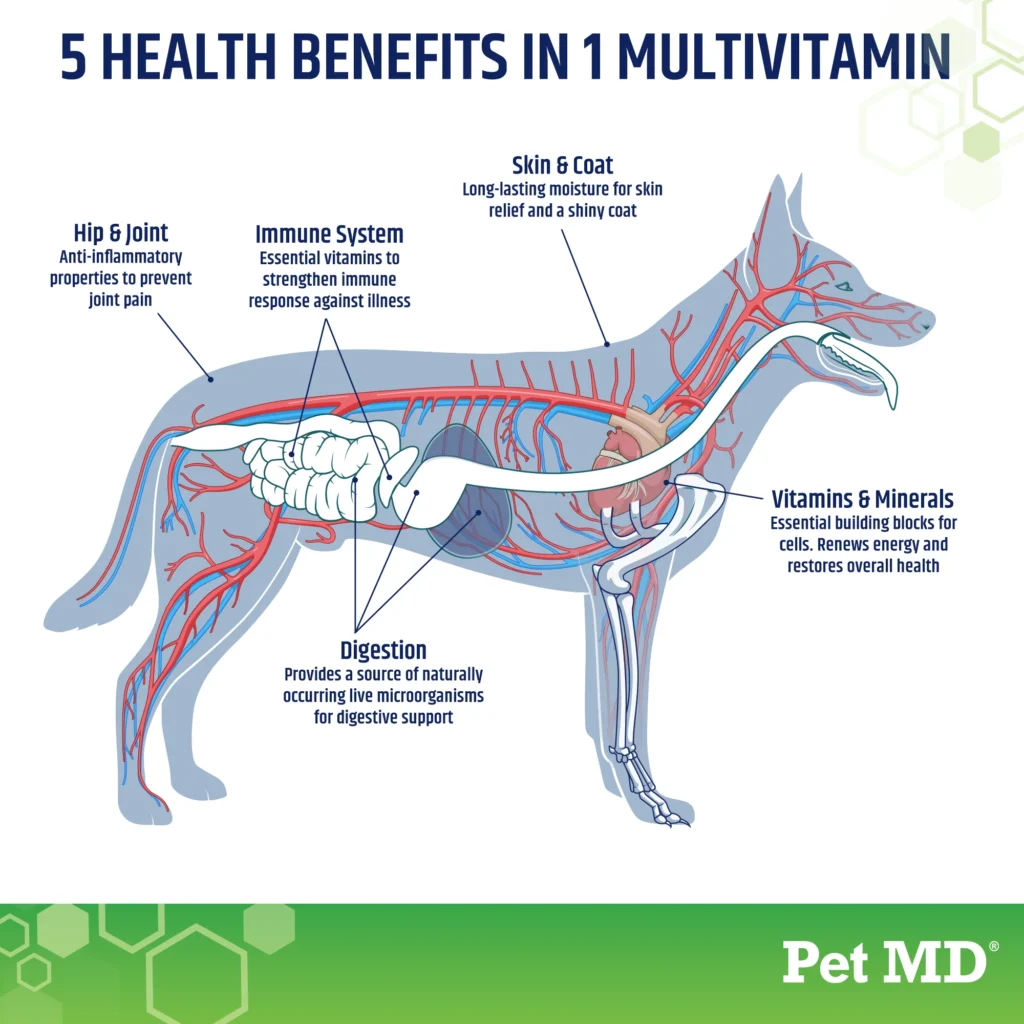
Dogs, much like humans, require a balanced diet to maintain optimal health. While many dog owners focus on providing high-quality food, the role of vitamins and supplements in canine health is often overlooked. Just as vitamins play a crucial role in human nutrition, they are equally important in a dog’s diet. This article explores the surprising benefits of dog vitamins, highlighting their significance in promoting overall well-being, enhancing longevity, and addressing specific health issues.
Understanding Dog Vitamins
Vitamins are organic compounds that are essential for the normal growth and functioning of living organisms. In dogs, vitamins contribute to a wide range of physiological processes, including metabolism, bone health, immune function, and more. There are two main categories of vitamins: fat-soluble and water-soluble. Fat-soluble vitamins (A, D, E, and K) are stored in the body’s fatty tissues, while water-soluble vitamins (B-complex and C) must be replenished regularly, as they are not stored in the body.
The Role of Vitamins in Canine Health
Vitamin A: Vision and Immune Support
Vitamin A is vital for maintaining good vision, particularly in low-light conditions, and supports a healthy immune system. It also plays a role in maintaining healthy skin and coat. A deficiency in vitamin A can lead to vision problems, poor coat condition, and a weakened immune response.
Vitamin D: Bone Health and Calcium Regulation
Vitamin D is essential for calcium absorption and bone health. It helps regulate the balance between calcium and phosphorus in a dog’s body, which is critical for maintaining strong and healthy bones. A deficiency in vitamin D can lead to bone disorders such as rickets or osteomalacia.
Vitamin E: Antioxidant Properties
Vitamin E acts as a powerful antioxidant, protecting cells from oxidative damage caused by free radicals. It supports the immune system, improves skin health, and aids in the prevention of premature aging. A lack of vitamin E can result in muscle weakness and reproductive issues.
Vitamin K: Blood Clotting and Bone Health
Vitamin K is necessary for blood clotting and also plays a role in bone health. It helps synthesize proteins that are essential for blood coagulation, reducing the risk of excessive bleeding from injuries. A deficiency can lead to bleeding disorders and compromised bone health.
B-Complex Vitamins: Energy and Metabolism
B-complex vitamins, including B1 (thiamine), B2 (riboflavin), B3 (niacin), B5 (pantothenic acid), B6 (pyridoxine), B7 (biotin), B9 (folic acid), and B12 (cobalamin), are critical for energy production and metabolic processes. They support the nervous system, aid in red blood cell production, and contribute to overall vitality. Deficiencies in B-complex vitamins can result in lethargy, poor appetite, and neurological issues.
Vitamin C: Immune Booster and Antioxidant
While dogs can synthesize vitamin C on their own, supplementation can be beneficial, especially in times of stress or illness. Vitamin C serves as an antioxidant, boosts the immune system, and supports joint health by aiding collagen production. Supplementing with vitamin C can help reduce inflammation and promote faster healing.
The Surprising Benefits of Dog Vitamins
Enhanced Immune System
One of the most significant benefits of providing dogs with the right vitamins is the enhancement of their immune system. A robust immune system ensures that dogs are better equipped to fight off infections and diseases. Vitamins such as A, C, and E are particularly important in promoting immune health. Regular supplementation can help reduce the frequency and severity of illnesses, keeping dogs healthier and more active.
Improved Skin and Coat Health
Vitamins play a crucial role in maintaining healthy skin and a shiny coat. Vitamin A supports skin cell regeneration, while vitamin E helps maintain skin moisture and elasticity. Biotin, a B-complex vitamin, is also essential for healthy skin and coat. Dogs receiving adequate vitamins are less likely to suffer from skin irritations, dryness, and excessive shedding.
Joint and Bone Health
Vitamins such as D and K are vital for maintaining strong bones and healthy joints. Vitamin D aids in calcium absorption, ensuring that bones remain strong and resilient. Vitamin K supports bone density and reduces the risk of fractures. Additionally, vitamin C contributes to collagen formation, which is essential for maintaining joint health. Supplementing with these vitamins can help prevent joint issues and improve mobility, especially in aging dogs.
Enhanced Cognitive Function
Certain vitamins, particularly B-complex vitamins, play a critical role in maintaining cognitive function in dogs. B vitamins support brain health by aiding in the production of neurotransmitters and promoting healthy nerve function. This can be particularly beneficial for older dogs, helping to slow cognitive decline and maintain mental sharpness.
Faster Recovery and Healing
Vitamins can significantly aid in the recovery and healing process for dogs. Vitamin C, with its antioxidant properties, helps reduce inflammation and supports tissue repair. Vitamin E also plays a role in wound healing and reducing oxidative stress. Providing dogs with the right vitamins can lead to faster recovery times after injuries or surgeries.
Choosing the Right Vitamins for Your Dog
While vitamins offer numerous benefits, it’s essential to choose the right supplements tailored to your dog’s specific needs. Consulting with a veterinarian is crucial to determine the appropriate vitamins and dosages. Factors such as age, breed, size, and existing health conditions should be considered when selecting supplements.
It’s also important to choose high-quality supplements from reputable manufacturers. Look for products that have been tested for quality and safety, and avoid those with unnecessary fillers or artificial additives.
Conclusion
The surprising benefits of dog vitamins highlight their significance in promoting overall health and well-being. From enhancing the immune system to supporting joint health and cognitive function, vitamins play a vital role in maintaining a happy and healthy life for our canine companions. By understanding the essential vitamins and providing the right supplements, dog owners can ensure that their furry friends thrive and enjoy a long, fulfilling life.
Remember, while vitamins are beneficial, they should complement a high-quality diet and not replace it. A balanced approach, with the guidance of a veterinarian, will provide the best possible care for your beloved pet.