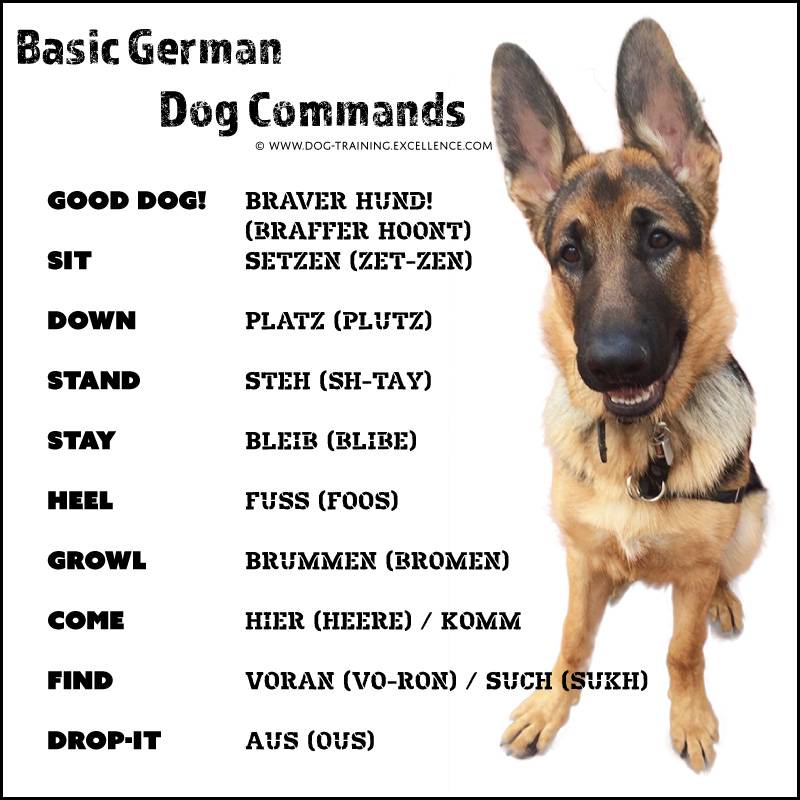
Training your dog is an essential part of responsible pet ownership. Not only does it ensure your dog’s safety, but it also strengthens the bond between you and your furry friend. Effective training relies on clear communication, consistency, and patience. One of the most crucial elements of dog training is teaching commands that your dog can understand and respond to consistently. In this article, we’ll explore a top list of dog commands that form the foundation of effective training.
Sit
The “sit” command is often the first command taught to dogs because it is foundational for teaching discipline and control. This command is useful in numerous situations, such as preventing your dog from jumping on guests or helping them to calm down when they’re excited. To teach “sit,” hold a treat close to your dog’s nose, then move your hand up, allowing their head to follow the treat and causing their bottom to lower. Once they’re in a sitting position, say “sit,” give them the treat, and show affection.
Stay
The “stay” command is vital for keeping your dog safe in potentially dangerous situations, such as crossing a street or when guests are entering your home. To teach “stay,” first ask your dog to sit. Then, open the palm of your hand in front of you and say “stay.” Take a few steps back, and if they stay in place, reward them with a treat and praise. Gradually increase the distance you move away from your dog. Consistency is key, so practice regularly.
Come
Teaching your dog the “come” command is crucial for ensuring they return to you, especially in outdoor settings or when they’re off-leash. To begin training, attach a leash to your dog’s collar. Back away from them, crouch down, and say “come” while gently pulling the leash towards you. Reward them with a treat and praise when they reach you. Over time, practice this command without the leash in a safe, enclosed area.
Down
The “down” command is essential for managing your dog’s behavior, particularly in calming them during high-energy situations. Begin by holding a treat in your closed fist. Place your hand in front of your dog’s nose, then move it to the floor. Your dog should follow the treat, and when their body touches the ground, say “down.” Reward them with the treat and affection. This command might take time to master, so patience is important.
Leave It
The “leave it” command is crucial for keeping your dog away from potential dangers, such as harmful foods or objects. To teach this command, place a treat in both hands. Show them one closed fist with the treat inside and say “leave it.” Ignore any attempts to get the treat and wait until they stop trying. Once they stop, give them the treat from the other hand. Gradually increase the difficulty by placing the treat on the floor and covering it with your hand.
Drop It
The “drop it” command is important for ensuring your dog releases objects they should not have, such as your shoes or hazardous items. Start by playing with a toy your dog likes. Once they’re holding the toy, offer a treat and say “drop it.” When they release the toy to take the treat, reward them with praise and the treat. Practice regularly to reinforce the behavior.
Heel
The “heel” command is essential for maintaining control of your dog during walks. It ensures your dog stays by your side rather than pulling on the leash. Start by holding a treat close to your dog’s nose, and say “heel” while walking forward. Reward them when they walk beside you. Practice in short sessions and gradually increase the distance.
Wait
The “wait” command is similar to “stay” but is often used for short-term situations, such as waiting at the door before going outside. To teach “wait,” ask your dog to sit, then open your palm and say “wait.” Take a step back, and if they remain in place, reward them with a treat. Practice regularly to build reliability.
Off
The “off” command is useful for preventing your dog from jumping on people or furniture. When your dog jumps up, say “off” and turn away from them. When they have all four paws on the ground, reward them with attention and praise. Consistency is key to breaking the jumping habit.
No
The “no” command is used to indicate disapproval of a particular behavior. Use it sparingly and consistently to avoid confusion. When your dog engages in unwanted behavior, say “no” firmly and redirect their attention to an appropriate activity. Reward them when they comply with the alternative behavior.
Bed
The “bed” command is helpful for directing your dog to their designated resting area. To teach this command, use a treat to guide your dog to their bed while saying “bed.” Once they’re on their bed, reward them with the treat and praise. This command is useful for establishing boundaries and rest times.
Conclusion
Mastering these top dog commands is fundamental for effective training and ensuring a harmonious relationship with your canine companion. Remember that patience, consistency, and positive reinforcement are key components of successful training. Each dog learns at their own pace, so it’s essential to tailor your approach to your dog’s unique personality and learning style. By investing time and effort into training, you’ll be rewarded with a well-behaved and happy dog that enhances your life in countless ways.
#ChatGPT assisted in the creation of this article.