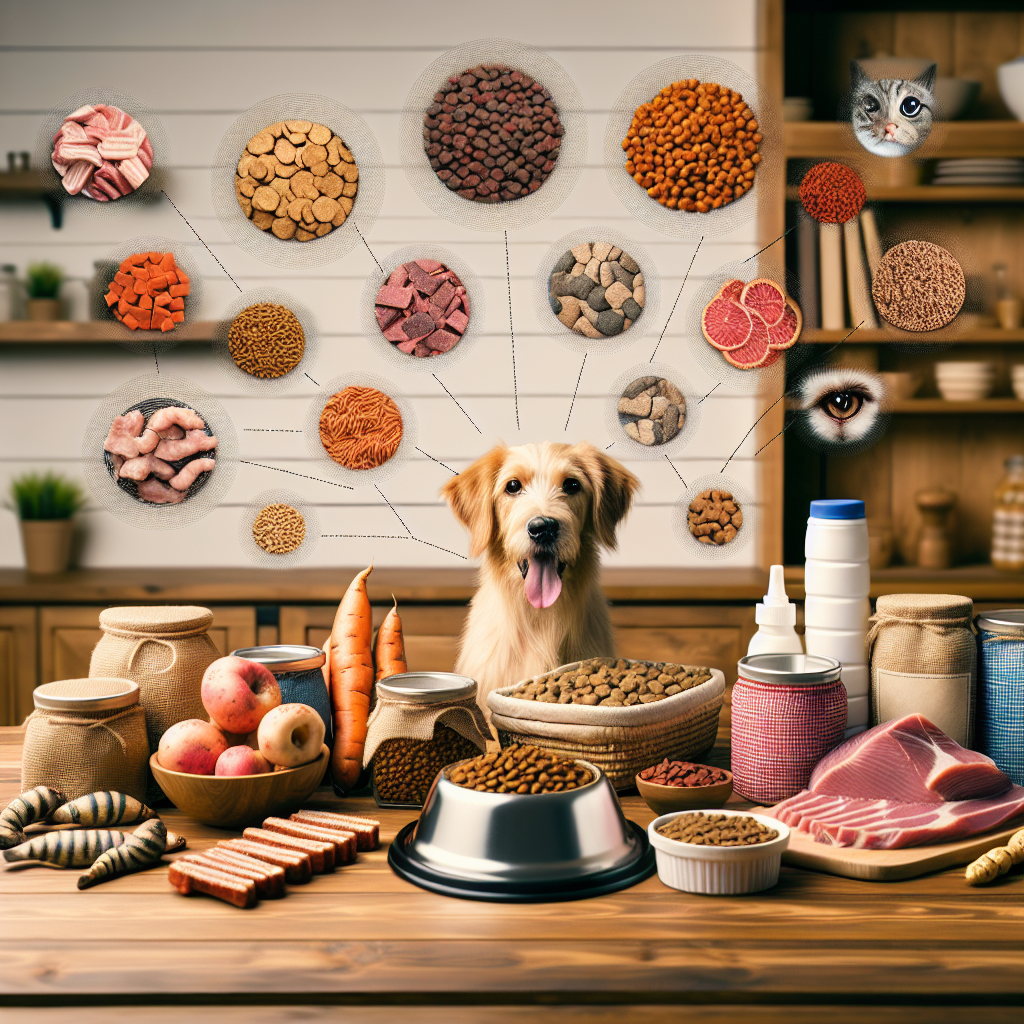
Allergies in dogs are a common concern for pet owners worldwide. These allergies can manifest through symptoms such as itching, redness, digestive issues, and even respiratory problems. While medications and treatments are available, many pet owners seek natural ways to alleviate these symptoms. One effective approach is through a carefully curated diet. This article explores the top dog foods that can help combat allergy symptoms naturally, ensuring your furry friend remains healthy and happy.
Understanding Dog Allergies
Before delving into specific foods, it is crucial to understand the nature of allergies in dogs. Just like humans, dogs can be allergic to a variety of substances. These allergens can be environmental, such as pollen or dust, or dietary, including certain proteins or grains. The immune system’s overreaction to these substances leads to the symptoms commonly associated with allergies.
Identifying the exact cause of the allergy can be challenging, but dietary management is a proven strategy to mitigate symptoms. The goal is to eliminate potential allergens and introduce ingredients that support the immune system and reduce inflammation.
Importance of a Hypoallergenic Diet
A hypoallergenic diet is designed to minimize the risk of allergic reactions by excluding common allergens. This type of diet often involves novel protein sources and carbohydrates that are less likely to trigger an immune response. Additionally, these diets may include ingredients known for their anti-inflammatory or immune-boosting properties.
Switching to a hypoallergenic diet should be done gradually, allowing your dog’s system to adjust. Consulting with a veterinarian before making any dietary changes is highly recommended to ensure that your pet’s nutritional needs are met.
Top Dog Foods to Combat Allergy Symptoms Naturally
1. Novel Protein Sources
One of the most effective ways to manage dietary allergies in dogs is by introducing novel protein sources. These are proteins that your dog has not been exposed to before, reducing the likelihood of an allergic reaction.
- Venison: A lean meat high in protein, venison is an excellent alternative to common proteins like beef or chicken.
- Duck: Known for its rich flavor, duck is often well-tolerated by dogs with allergies.
- Kangaroo: An unconventional but nutritious option, kangaroo meat is hypoallergenic and boasts a unique amino acid profile.
2. Limited Ingredient Diets (LID)
Limited ingredient diets are formulated with a minimal number of ingredients, making it easier to pinpoint potential allergens. These diets typically feature a single protein source and a single carbohydrate source.
- Sweet Potato and Fish: This combination is gentle on the stomach and rich in omega-3 fatty acids, which help reduce inflammation.
- Quinoa and Lamb: Quinoa is a gluten-free grain alternative, and lamb is less likely to cause allergic reactions compared to more common meats.
3. Grain-Free Options
Some dogs are sensitive to grains, which can exacerbate allergy symptoms. Grain-free diets eliminate ingredients like wheat, corn, and soy, focusing instead on protein and vegetables.
- Chickpea and Turkey: Chickpeas provide fiber and protein, while turkey is a lean meat that is often better tolerated by dogs with allergies.
- Lentils and Salmon: Lentils are a nutritious, grain-free carbohydrate source, and salmon offers anti-inflammatory benefits due to its high omega-3 content.
4. Incorporating Omega-3 Fatty Acids
Omega-3 fatty acids are known for their anti-inflammatory properties, making them a valuable addition to any diet aimed at reducing allergy symptoms. These can be found in certain foods or added as supplements.
- Flaxseed: A plant-based source of omega-3s that can be easily mixed into your dog’s food.
- Chia Seeds: These tiny seeds are packed with nutrients and provide a significant amount of omega-3 fatty acids.
5. Probiotics and Prebiotics
Gut health plays a crucial role in the overall immune response. Probiotics and prebiotics support a healthy digestive system, which can decrease the severity of allergy symptoms.
- Yogurt: A natural source of probiotics that can be offered as a treat or mixed into meals.
- Inulin: A prebiotic fiber found in foods like chicory root that supports the growth of beneficial gut bacteria.
Conclusion
Addressing allergy symptoms in dogs can be a challenging process, but with the right dietary choices, it is possible to manage these symptoms naturally. By selecting hypoallergenic ingredients, focusing on novel proteins, and including anti-inflammatory components like omega-3 fatty acids and probiotics, pet owners can help their dogs lead healthier, more comfortable lives.
As always, before making any significant changes to your dog’s diet, consult with a veterinarian to ensure that all nutritional needs are met and that the chosen foods are appropriate for your pet’s specific condition. With proper guidance and a balanced approach, your dog can enjoy a diet that supports their overall well-being while effectively managing allergy symptoms.