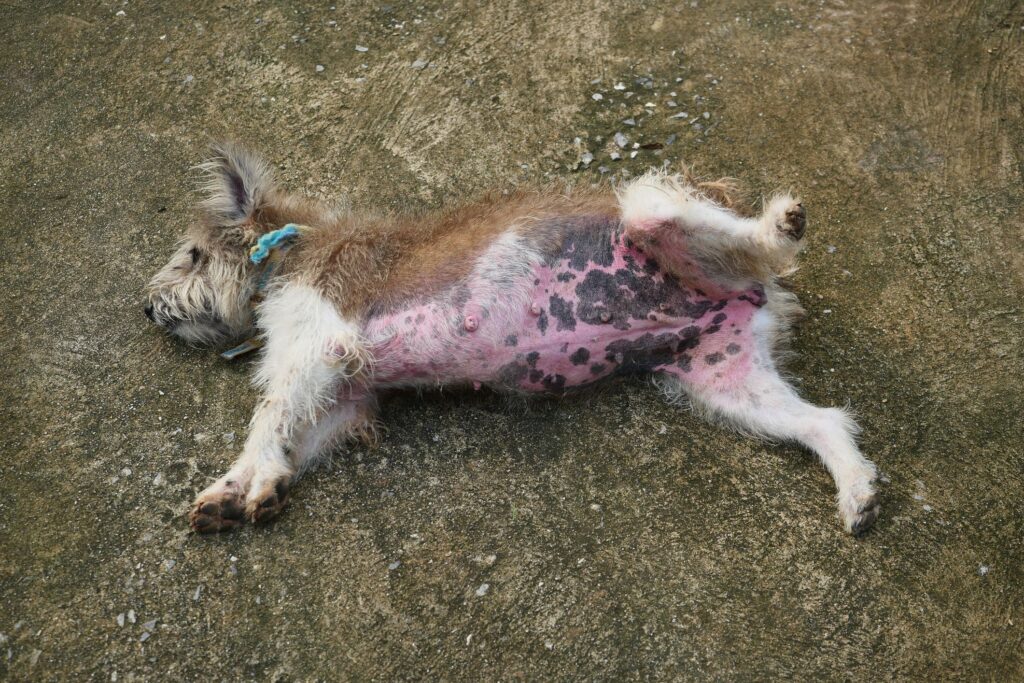
Dogs are often referred to as man’s best friend, and rightly so. They offer companionship, loyalty, and unconditional love. However, like humans, dogs are susceptible to various health issues, including skin problems. Skin problems in dogs can affect their quality of life, causing discomfort, pain, and sometimes serious health complications if left untreated. Understanding these skin issues and knowing how to manage them can significantly improve your dog’s health and happiness.
Common Dog Skin Problems
Allergic Dermatitis
Allergic dermatitis is one of the most common skin problems in dogs. It occurs when a dog’s immune system reacts to allergens such as pollen, dust mites, mold spores, or certain foods. The symptoms of allergic dermatitis can include itching, redness, swelling, and bumps or rashes on the skin. Dogs with this condition often scratch, lick, or chew at their skin, which can lead to secondary infections.
Flea Allergy Dermatitis
Flea allergy dermatitis is caused by a hypersensitivity to flea bites. When a flea bites a dog, it injects saliva into the skin, which can cause a severe allergic reaction in sensitive dogs. This condition is characterized by intense itching, redness, and hair loss, particularly around the tail base, thighs, and abdomen.
Pyoderma
Pyoderma refers to bacterial skin infections that are often secondary to other skin conditions like allergies or parasites. It manifests as pustules, crusts, and sometimes open sores. Dogs with pyoderma may have an unpleasant odor and experience discomfort.
Hot Spots
Also known as acute moist dermatitis, hot spots are painful, inflamed areas of the skin that appear red, moist, and swollen. They can be caused by a variety of factors, including allergies, insect bites, poor grooming, or underlying infections. Hot spots can grow rapidly and require immediate attention to prevent further complications.
Yeast Infections
Yeast infections are caused by an overgrowth of the Malassezia fungus, which naturally resides on a dog’s skin and ears. When the balance of this fungus is disrupted, it can lead to an infection, characterized by greasy, smelly skin, itching, and redness, often affecting the ears, paws, and folds of the skin.
Mange
Mange is a skin condition caused by mites. There are two main types of mange in dogs: sarcoptic and demodectic. Sarcoptic mange, also known as scabies, is highly contagious and causes intense itching, redness, and hair loss. Demodectic mange is caused by a different type of mite and is not contagious, but it can lead to patchy hair loss, scabs, and sores.
Effective Solutions for Dog Skin Problems
Regular Veterinary Check-ups
Routine veterinary visits are crucial for maintaining your dog’s health. A veterinarian can diagnose skin problems early and recommend appropriate treatments. Regular check-ups also ensure that any underlying health issues are addressed promptly.
Proper Nutrition
A balanced diet is essential for a healthy coat and skin. Ensure your dog is receiving high-quality food rich in essential fatty acids, vitamins, and minerals. Some dogs may benefit from supplements like omega-3 and omega-6 fatty acids, which promote skin health and reduce inflammation.
Flea and Parasite Control
Preventing flea infestations is vital for dogs prone to flea allergy dermatitis. Use veterinarian-recommended flea control products, such as topical treatments, oral medications, or flea collars. Regularly clean your dog’s living area and wash bedding to minimize flea exposure.
Regular Grooming
Regular grooming helps maintain a healthy coat and skin by removing dirt, debris, and loose hair. Depending on your dog’s breed and coat type, brushing may be required daily or weekly. Bathing your dog with a gentle, hypoallergenic shampoo can also help prevent skin problems, but avoid over-bathing, as it can strip natural oils from the skin.
Allergy Management
If your dog suffers from allergic dermatitis, identifying and avoiding allergens is key. Your veterinarian may perform allergy testing to determine specific triggers. Depending on the severity of the allergy, your vet may recommend antihistamines, corticosteroids, or immunotherapy to manage symptoms.
Treatment of Infections
Bacterial and yeast infections may require topical or oral antibiotics and antifungal medications. It’s essential to follow your veterinarian’s instructions and complete the full course of treatment to ensure the infection is completely resolved.
Managing Hot Spots
To treat hot spots, start by gently cleaning the affected area with a mild antiseptic. Your veterinarian may trim the hair around the hot spot to allow air circulation and prescribe antibiotics or anti-inflammatory medications to reduce infection and discomfort.
Treating Mange
Treatment for mange depends on the type and severity of the condition. Sarcoptic mange often requires prescription medications to kill the mites, while demodectic mange may improve with topical treatments and medications to strengthen the immune system. Always follow your veterinarian’s advice for managing mange effectively.
Preventive Measures for Healthy Skin
Regular Exercise
Exercise is not just beneficial for your dog’s overall health but also for skin health. Regular physical activity improves circulation, which can enhance skin health and coat condition.
Hydration
Ensure your dog has access to fresh, clean water at all times. Proper hydration is crucial for maintaining healthy skin and preventing dryness.
Environmental Control
Minimize your dog’s exposure to known allergens by keeping your home clean and free from dust and mold. Use air purifiers and vacuum regularly to reduce airborne allergens.
Conclusion
Skin problems in dogs are common and can significantly impact their well-being. By understanding the types of skin issues and implementing effective solutions, you can help ensure your furry friend remains healthy and comfortable. Always consult with a veterinarian for an accurate diagnosis and appropriate treatment plan. With proper care and attention, you can manage your dog’s skin problems and maintain their skin health for a happy, itch-free life.