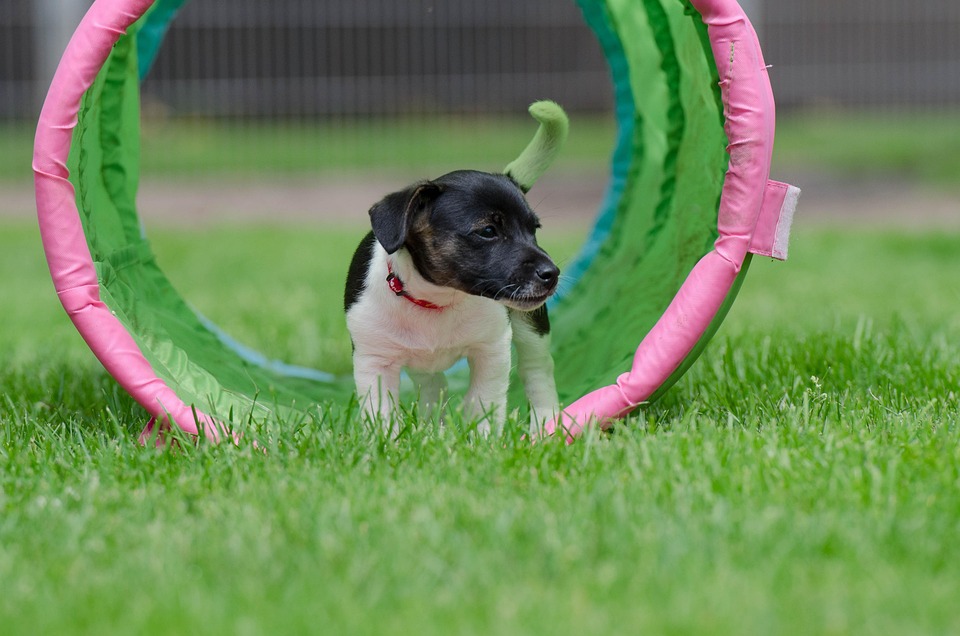
Socialization is a critical component of a dog’s development and happiness. It involves exposing your pup to a variety of experiences, environments, people, and other animals. Proper socialization can prevent behavior issues and ensure that your dog grows into a confident, well-adjusted adult. In this article, we will explore top tips for effectively socializing your puppy to promote their well-being and happiness.
The Importance of Early Socialization
The early weeks and months of a puppy’s life are crucial for socialization. Puppies are most receptive to new experiences between 3 and 14 weeks of age. During this period, they are naturally curious and less fearful, making it the ideal time to introduce them to the world around them. Proper socialization during this critical window can help prevent fear-related behaviors and anxiety later in life.
Gradual Exposure to New Experiences
When socializing your puppy, it is essential to take a gradual approach. Overwhelming your pup with too many new experiences at once can lead to fear and anxiety. Start with low-intensity experiences and gradually increase the complexity and intensity as your puppy becomes more comfortable. For instance, begin with a short walk in a quiet park before progressing to busier environments.
Introduce a Variety of People
Exposing your puppy to a diverse range of people is crucial for their social development. Encourage your pup to interact with individuals of different ages, genders, and ethnicities. This exposure helps reduce the likelihood of fear or aggression towards unfamiliar people in the future. Always ensure that interactions are positive and gentle to build your puppy’s confidence.
Socialization with Other Dogs
Interacting with other dogs is a key aspect of socialization. Arrange playdates with well-behaved, vaccinated dogs that are known to be friendly and tolerant. Observe the interactions closely and intervene if necessary to ensure that play remains safe and enjoyable. Puppy socialization classes are another excellent way to provide controlled, positive interactions with other dogs.
Exposure to Different Environments
Introducing your puppy to a variety of environments is important to help them become adaptable and confident. Expose them to different surfaces, such as grass, sand, and gravel, as well as various locations like parks, urban areas, and rural settings. This exposure helps to ensure that your pup is comfortable and relaxed in diverse environments.
Handling and Grooming
Teaching your puppy to tolerate handling and grooming is an essential part of socialization. Gradually introduce them to being touched and handled in different ways, such as having their paws, ears, and mouth inspected. Regular grooming sessions, even if minimal, help your puppy get used to being brushed and handled, making future grooming experiences stress-free.
Exposure to Different Sounds
Sound sensitivity is a common issue in dogs, but it can often be mitigated through early exposure. Introduce your puppy to a variety of sounds, such as household appliances, traffic, and thunderstorms, at a low volume. Gradually increase the volume as your pup becomes more comfortable, always ensuring that the experience remains positive and non-threatening.
Positive Reinforcement
Positive reinforcement is a powerful tool in socialization. Reward your puppy with treats, praise, and affection for calmly and confidently experiencing new situations. This positive association helps your puppy learn that new experiences are enjoyable and rewarding. Consistency and patience are key, as it may take time for your pup to fully acclimate to certain situations.
Recognizing Stress Signals
It’s important to recognize the signs of stress in your puppy to prevent overwhelming them during socialization. Common stress signals include yawning, panting, lip licking, and avoiding eye contact. If you notice these signs, give your puppy a break and allow them to retreat to a safe space. Gradually reintroduce the experience at a later time when they are more relaxed.
Creating Positive Associations
Creating positive associations with new experiences is crucial for successful socialization. Pair new experiences with treats, toys, or playtime to make them enjoyable for your puppy. For example, if you’re introducing your puppy to a noisy environment, bring their favorite toy or treat to distract and comfort them.
Consistency and Patience
Socialization is an ongoing process that requires consistency and patience. Regularly expose your puppy to new experiences to reinforce their comfort and confidence. Remember that each puppy is unique, and the pace of socialization may vary. Be patient and allow your pup to progress at their own pace, providing plenty of positive reinforcement along the way.
Continued Socialization into Adulthood
Socialization shouldn’t stop when your puppy reaches adulthood. Continued exposure to new experiences and environments is important to maintain their social skills and adaptability. Regularly engage in activities that challenge and stimulate your dog, such as obedience classes, agility training, or dog-friendly events.
Conclusion
Proper socialization is vital for raising a happy, well-adjusted dog. By following these tips and providing your puppy with positive, varied experiences, you can help them develop into a confident and sociable adult. Remember to be patient, consistent, and attentive to your puppy’s needs, and you’ll be rewarded with a loyal and happy companion.