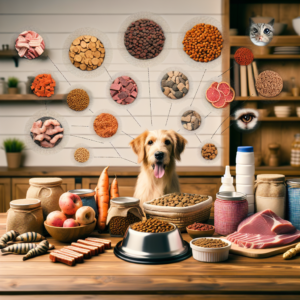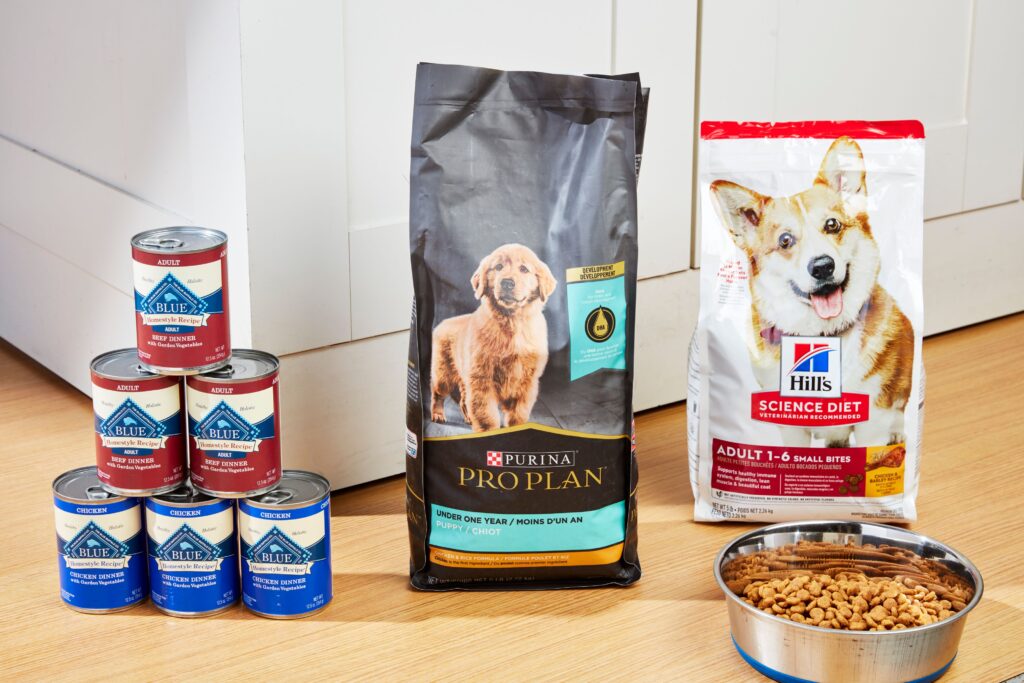
Maintaining a healthy weight is crucial for a dog’s overall well-being. Overweight dogs are at risk for numerous health issues, including joint problems, heart disease, and diabetes. Just like humans, a balanced diet and regular exercise are key to achieving and maintaining a healthy weight. In this article, we will explore the top dog weight loss foods that not only aid in shedding those extra pounds but also boost overall health.
The Importance of a Balanced Diet
Before diving into specific weight loss foods, it’s important to understand what constitutes a balanced diet for dogs. A proper canine diet should include an optimal balance of proteins, fats, carbohydrates, vitamins, and minerals. Each component plays a role in maintaining health and energy levels.
Proteins are essential for muscle maintenance and repair, while fats provide a concentrated source of energy. Carbohydrates, although not essential, can offer an additional energy source and aid in digestive health. Vitamins and minerals are crucial for various bodily functions, including bone health, immune function, and metabolism. By ensuring your dog’s diet is balanced, you create a foundation for effective weight management.
High-Quality Protein Sources
Protein is a vital component of a dog’s diet, especially when it comes to weight loss. High-quality protein sources help maintain lean muscle mass while promoting fat loss. Some excellent protein sources for dogs include:
- Chicken: Lean and easily digestible, chicken is a great source of protein for dogs. It is low in fat and can be served cooked without any seasoning.
- Turkey: Another lean protein option, turkey is similar to chicken in terms of nutritional content and benefits.
- Fish: Fish such as salmon and sardines are not only high in protein but also rich in omega-3 fatty acids, which promote skin and coat health.
- Eggs: Eggs are a complete protein source and can be served cooked to dogs. They offer a rich supply of amino acids and are easy to digest.
Fiber-Rich Vegetables
Fiber plays a crucial role in a dog’s diet, particularly for weight management. It helps keep dogs feeling full, reducing the temptation to overeat. Additionally, fiber aids in digestion and promotes regular bowel movements. Consider incorporating the following fiber-rich vegetables into your dog’s diet:
- Green Beans: Low in calories yet high in fiber, green beans are an excellent addition to your dog’s meals. They are also a good source of vitamins A, C, and K.
- Carrots: Crunchy and naturally sweet, carrots are a favorite among dogs. They are low in calories and provide beta-carotene, which supports eye health.
- Sweet Potatoes: Rich in dietary fiber and vitamins, sweet potatoes are a nutritious and filling option for dogs. They can be cooked and mashed for easy consumption.
- Pumpkin: Pumpkin is not only high in fiber but also low in calories. It is known for its digestive benefits and can be served cooked or canned (without added sugars or spices).
Healthy Fats for Energy
While it might seem counterintuitive to include fats in a weight loss diet, healthy fats are essential for providing energy and supporting various bodily functions. The key is to choose the right types of fats. Consider incorporating the following healthy fats into your dog’s diet:
- Fish Oil: Rich in omega-3 fatty acids, fish oil supports heart health, reduces inflammation, and promotes a healthy coat.
- Flaxseed Oil: A great plant-based source of omega-3 fatty acids, flaxseed oil is beneficial for skin, coat, and joint health.
- Coconut Oil: Known for its medium-chain triglycerides, coconut oil can boost energy levels and support metabolism. Use it sparingly due to its high calorie content.
Portion Control and Feeding Schedule
In addition to choosing the right foods, portion control and feeding schedules play a significant role in weight management. Overfeeding is a common issue that leads to weight gain in dogs. To prevent this, measure your dog’s meals carefully and avoid free-feeding. Instead, opt for scheduled meal times to regulate calorie intake.
Consult with your veterinarian to determine the appropriate portion size for your dog’s age, breed, and activity level. Keep in mind that treats should be given in moderation and should not exceed 10% of your dog’s daily caloric intake.
Importance of Exercise
While diet is a critical component of weight loss, exercise is equally important. Regular physical activity helps burn excess calories, maintains muscle mass, and improves cardiovascular health. Tailor the exercise routine to your dog’s age, breed, and fitness level. Activities such as walking, running, playing fetch, and swimming are excellent options for keeping your dog active and engaged.
Consulting a Veterinarian
Before making any significant changes to your dog’s diet or exercise routine, it’s essential to consult with a veterinarian. They can provide personalized recommendations based on your dog’s individual needs and health status. Additionally, they can help rule out any underlying medical conditions that may be contributing to weight gain.
Conclusion
Achieving and maintaining a healthy weight for your dog is a combination of providing the right diet, managing portion sizes, and ensuring regular exercise. By incorporating high-quality protein sources, fiber-rich vegetables, and healthy fats into your dog’s diet, you can support weight loss while boosting overall health. Remember, every dog is unique, so it’s essential to tailor their diet and exercise routine to their specific needs. With a balanced approach and guidance from your veterinarian, you can help your furry friend lead a healthier, happier life.