In an increasingly unpredictable world, safeguarding our homes and families has become a top priority. While there are numerous ways to enhance home security, one of the most effective and time-tested methods is the presence of a guard dog. Guard dogs offer a unique blend of companionship, loyalty, and protection, making them an invaluable addition to any household. This article delves into the top guard dog breeds renowned for their protective instincts, intelligence, and overall suitability for home protection.
Understanding the Role of a Guard Dog
Before exploring specific breeds, it’s essential to understand what makes a good guard dog. A guard dog is not just a pet; it is a trained animal that can recognize potential threats and take appropriate action to protect its territory and loved ones. Key traits of guard dogs include:
– **Intelligence**: A guard dog must be able to assess situations and respond accordingly.
– **Loyalty**: These dogs form strong bonds with their families and are dedicated to protecting them.
– **Courage**: A good guard dog will not shy away from confronting threats.
– **Trainability**: Effective guards are those that can be trained to follow commands and recognize friend from foe.
Top Guard Dog Breeds
German Shepherd
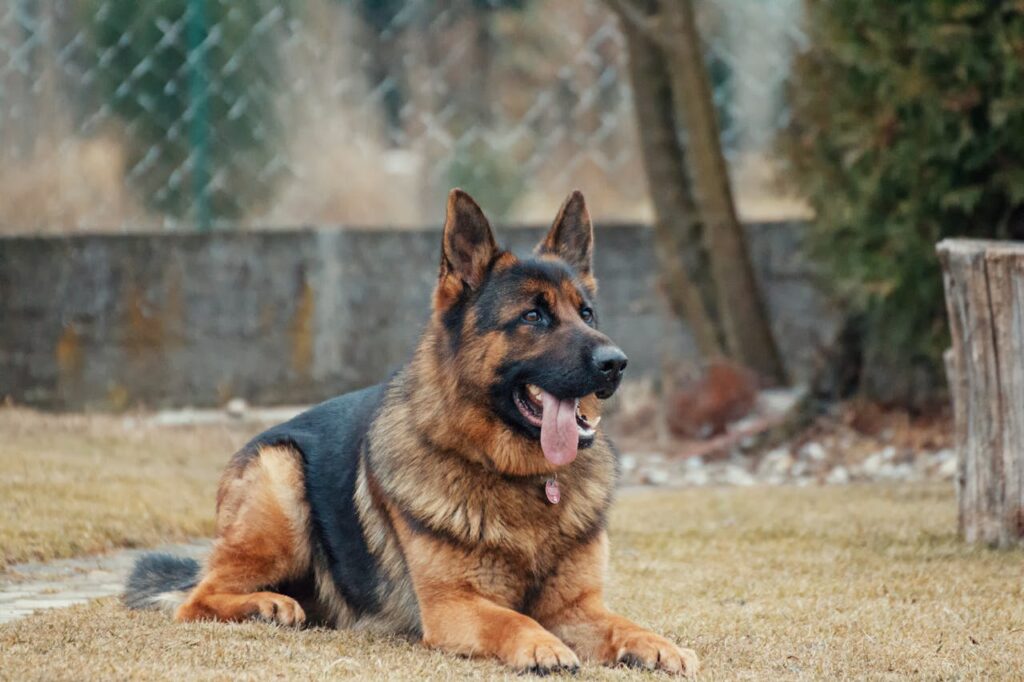
The German Shepherd is perhaps the most iconic guard dog breed, known for its intelligence, strength, and versatility. Originally bred for herding sheep, German Shepherds have adapted to various roles, including police and military work. Their protective nature and ability to learn commands quickly make them ideal for home protection.
– **Characteristics**: German Shepherds are confident, courageous, and intelligent dogs. They have a strong work ethic and are eager to please their owners.
– **Training**: They require consistent training and socialization from an early age to harness their protective instincts effectively.
– **Living Environment**: They are best suited for homes with space to roam and with owners who can provide regular exercise and mental stimulation.
Rottweiler
Rottweilers are powerful dogs with a calm demeanor and a strong protective instinct. Historically used as herding and guard dogs, they are known for their loyalty and confidence.
– **Characteristics**: Rottweilers are fearless, assertive, and possess a natural instinct to protect their family. They are also affectionate and loyal companions.
– **Training**: Early socialization and training are crucial to ensure that their protective instincts are appropriately channeled.
– **Living Environment**: They thrive in homes with fenced yards and benefit from regular exercise and mental challenges.
Doberman Pinscher
Dobermans are sleek, fast, and highly intelligent dogs, making them excellent guard dogs. They were originally bred in Germany by a tax collector who needed protection on his rounds.
– **Characteristics**: Dobermans are alert, fearless, and obedient. They are known for their loyalty and affection towards their families.
– **Training**: They require a firm but gentle hand in training, along with early socialization to ensure they remain well-rounded dogs.
– **Living Environment**: Dobermans are adaptable but do best in homes where they receive plenty of physical and mental exercise.
Belgian Malinois
Often confused with the German Shepherd, the Belgian Malinois is another breed used extensively in police and military work due to its intelligence and agility.
– **Characteristics**: Belgian Malinois are energetic, intelligent, and protective. They have a high drive to work and excel in tasks that require precision and speed.
– **Training**: These dogs require extensive training and socialization from an early age to manage their high energy levels and protective instincts.
– **Living Environment**: They need active homes where they can participate in regular physical activities and mental challenges.
Boxer
Boxers are playful, loyal, and strong, making them excellent family companions and protectors. They are known for their affectionate nature and protective instincts.
– **Characteristics**: Boxers are energetic, intelligent, and loyal. They have an innate desire to protect their families.
– **Training**: Consistent training and socialization are necessary to ensure they are well-behaved and can harness their protective instincts properly.
– **Living Environment**: Boxers thrive in active households where they can engage in play and exercise regularly.
Great Dane
Although their size is often intimidating, Great Danes are gentle giants with a natural instinct to protect their families. Their imposing stature alone can be a deterrent to potential intruders.
– **Characteristics**: Great Danes are friendly, patient, and dependable. Despite their size, they are known for being gentle and affectionate.
– **Training**: They require early socialization and training to ensure they are well-mannered and confident.
– **Living Environment**: These dogs need spacious homes and regular exercise but are typically quite calm indoors.
Factors to Consider When Choosing a Guard Dog
When selecting a guard dog for your home, consider the following factors:
– **Family Dynamics**: Some breeds are better suited to families with children, while others may prefer a quieter household.
– **Space Requirements**: Ensure you have enough space to accommodate the dog’s needs, especially for larger breeds.
– **Exercise Needs**: Most guard dogs require regular physical and mental exercise to stay healthy and happy.
– **Training Commitment**: Be prepared to invest time and effort into proper training and socialization.
– **Health Considerations**: Research any breed-specific health concerns and ensure you can meet the dog’s healthcare needs.
Training and Socialization
Training and socialization are critical components in raising a well-rounded guard dog. Here are some tips for effective training:
– **Start Early**: Begin training and socialization as early as possible to instill good behavior and confidence.
– **Positive Reinforcement**: Use rewards and praise to encourage desired behaviors and strengthen the bond with your dog.
– **Consistency**: Establish consistent rules and routines to help your dog understand expectations.
– **Exposure**: Expose your dog to different environments, people, and animals to build confidence and adaptability.
– **Professional Training**: Consider enrolling in professional obedience classes or working with a trainer specializing in guard dogs.
Conclusion
Selecting the right guard dog breed is a significant decision that can enhance your home’s security and enrich your family’s life. Each breed offers unique qualities and characteristics that make them suitable for protection tasks. By understanding the specific needs and traits of these top guard dog breeds, you can make an informed choice that aligns with your lifestyle and security requirements. Remember, while these dogs are natural protectors, they are also loyal companions who thrive on love, attention, and proper care.