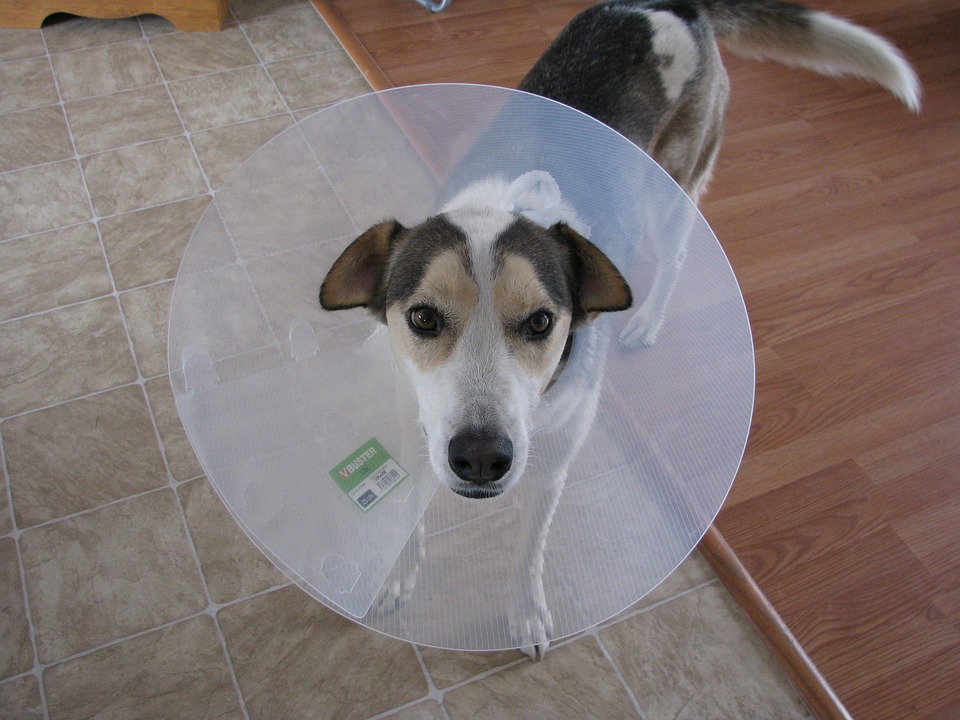
Our canine companions are beloved members of our families, and just like any family member, their health and well-being are of utmost importance. Dogs, however, cannot communicate their discomfort or illness in words, which places the responsibility on us as pet owners to be vigilant and observant of any signs that might indicate they are unwell. Understanding and recognizing these signs early can make a significant difference in ensuring your dog receives the proper care and treatment in a timely manner. In this article, we’ll explore the top indicators that your dog might be unwell.
Changes in Appetite and Water Intake
One of the first signs that a dog might be unwell is a change in their eating or drinking habits. A sudden loss of appetite or a refusal to eat food they usually enjoy can be a red flag. Conversely, an increase in appetite or drinking more water than usual can also indicate underlying health issues.
Loss of Appetite
A decreased appetite can be a symptom of various issues ranging from dental problems, gastrointestinal disturbances, or even more severe conditions such as kidney disease or cancer. If your dog skips meals or refuses to eat for more than a day, it might be time to consult a veterinarian.
Increased Thirst
On the other hand, increased thirst or excessive drinking might suggest diabetes, kidney disease, or hormonal imbalances like Cushing’s disease. Monitoring your dog’s water intake can provide critical insights into their health status.
Lethargy and Fatigue
Dogs are typically active and playful creatures. If your dog shows signs of lethargy or seems unusually tired, it could indicate they are not feeling well. Lethargy can manifest as reluctance to engage in activities they usually enjoy, excessive sleeping, or a general lack of energy.
Causes of Lethargy
Common causes of lethargy in dogs include infections, metabolic or endocrine disorders, obesity, or even the onset of more serious conditions like heart disease. If lethargy is accompanied by other symptoms such as vomiting or diarrhea, seeking veterinary care promptly is essential.
Digestive Disturbances
Digestive issues are common in dogs, but persistent symptoms can indicate a more significant health concern. Vomiting, diarrhea, or constipation should not be ignored, especially if they occur frequently or are accompanied by other signs of illness.
Vomiting
Occasional vomiting might not be alarming, but repeated episodes can signify gastrointestinal issues, ingestion of foreign objects, or even more serious conditions like pancreatitis or liver disease. Persistent vomiting warrants professional evaluation.
Diarrhea and Constipation
Like vomiting, diarrhea can occur due to dietary changes or mild infections. However, if it persists or is accompanied by blood or mucus, it may indicate infections, parasites, or inflammatory bowel disease. Constipation, though less common, can be a sign of blockages or other serious issues requiring attention.
Changes in Weight
Significant weight changes, whether gain or loss, are indicators that your dog’s health needs to be evaluated. Sudden weight loss might suggest conditions such as diabetes, hyperthyroidism, or cancer, while weight gain can be associated with hormonal imbalances or lack of exercise due to pain or discomfort.
Skin and Coat Condition
A dog’s skin and coat are often reflective of their overall health. Look for changes in texture, color, or the presence of lumps and bumps. Hair loss, excessive scratching, or the presence of fleas and ticks are also causes for concern.
Hair Loss and Skin Irritation
Hair loss or bald patches can result from allergies, infections, or parasites. Skin irritation or infections might also be accompanied by redness, swelling, or foul odors. These symptoms require a veterinarian’s evaluation to determine the underlying cause.
Behavioral Changes
Behavioral changes can also indicate that something is amiss with your dog’s health. Aggression, anxiety, or withdrawal can all be subtle signs of discomfort or pain.
Aggression or Anxiety
If your dog begins to show signs of aggression or anxiety, it may be due to pain or discomfort. Dogs often hide their pain, and changes in behavior might be their way of expressing distress.
Withdrawal
A typically social dog that suddenly becomes withdrawn or isolates themselves may be experiencing health issues. This change in behavior is a signal that they might be feeling unwell or in pain.
Respiratory Issues
Breathing difficulties, excessive panting, coughing, or sneezing can all indicate respiratory problems in dogs. These issues can range from mild allergies to more severe conditions like pneumonia or heart disease.
Coughing and Sneezing
While occasional coughing or sneezing is normal, persistent symptoms can indicate infections, allergies, or more severe respiratory problems. It’s important to monitor these symptoms and seek veterinary help if they persist.
Labored Breathing
Labored or rapid breathing, especially if accompanied by a bluish tint to the gums or tongue, is a medical emergency and requires immediate veterinary attention.
Changes in Bathroom Habits
Changes in urination or defecation patterns can also be indicators of health issues. Increased frequency, straining, or accidents in the house might suggest urinary or gastrointestinal problems.
Frequent Urination
Frequent urination can be a sign of urinary tract infections, diabetes, or kidney disease. If your dog is having accidents in the house or struggling to urinate, a vet visit is necessary.
Conclusion
As pet owners, it is our responsibility to keep a watchful eye on our furry friends and recognize the signs that they might be unwell. Early detection and intervention are key to managing health issues effectively and ensuring your dog remains happy and healthy. Regular veterinary check-ups, a balanced diet, and a loving environment contribute significantly to their well-being. If you notice any of the signs mentioned above, don’t hesitate to seek professional veterinary advice. Your attentiveness and prompt action can make all the difference in the health and happiness of your canine companion.
#ChatGPT assisted in the creation of this article.