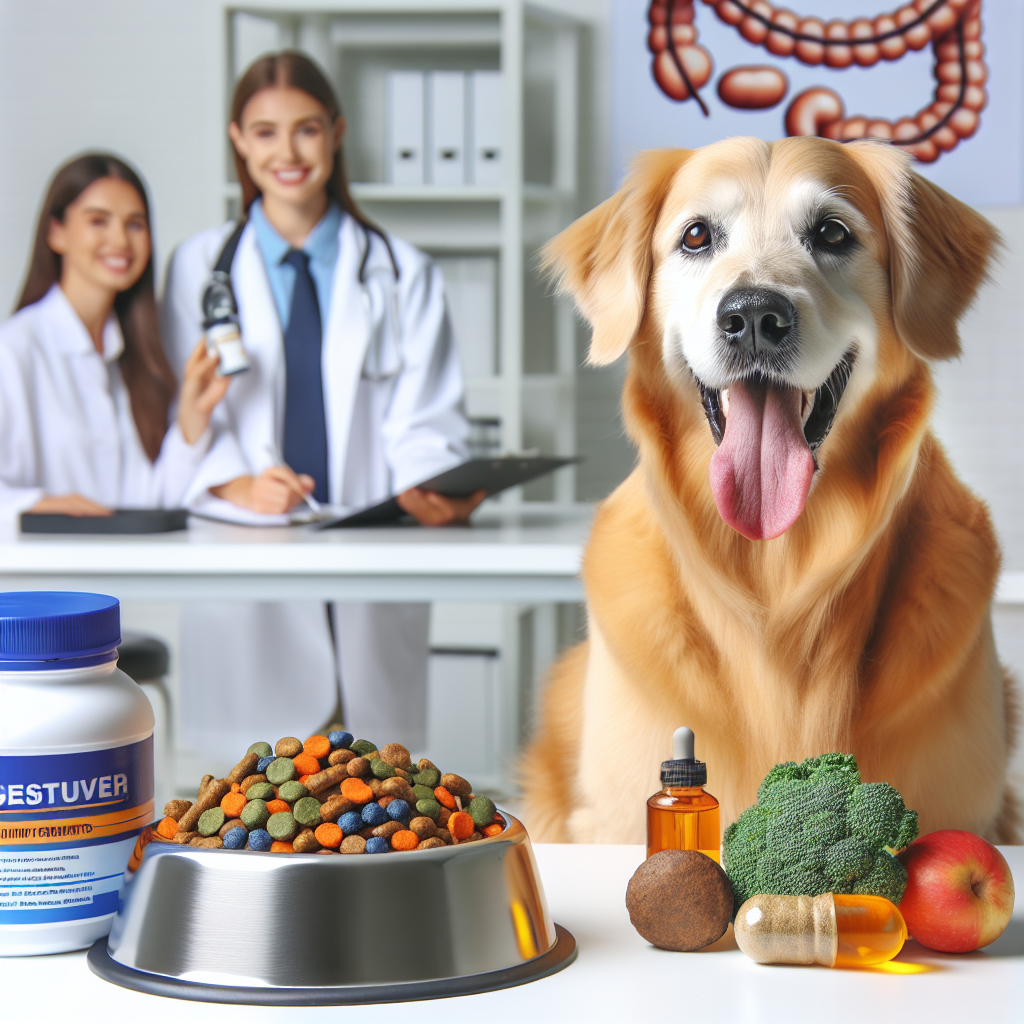
Digestive issues in dogs are a common concern for pet owners, often manifesting through symptoms like vomiting, diarrhea, or a lack of appetite. While these issues can be distressing, understanding common digestive problems and exploring effective solutions can help maintain your dog’s health and well-being. In this article, we’ll explore some of the top solutions for common dog digestive problems, enabling you to provide the best care for your furry friend.
Understanding Common Dog Digestive Problems
Before diving into solutions, it’s crucial to understand the common digestive problems that dogs might face. These issues can range from mild to severe and may require different approaches to treatment.
1. Diarrhea
Diarrhea is one of the most common digestive issues in dogs. It can be caused by various factors, including dietary indiscretion, infections, parasites, or underlying health conditions. While occasional diarrhea is usually not a cause for alarm, chronic or severe diarrhea may necessitate veterinary attention.
2. Vomiting
Vomiting can be a natural response to irritants in a dog’s stomach but can also indicate more severe health problems. Causes can range from eating something disagreeable to infections, blockages, or systemic illnesses.
3. Constipation
Constipation occurs when a dog has difficulty passing stools, often due to dehydration, lack of dietary fiber, or ingestion of non-digestible materials. Chronic constipation can lead to discomfort and other health issues.
4. Gas
Excessive gas in dogs can be caused by dietary factors, swallowing air, or underlying health conditions. While often harmless, chronic gas can be uncomfortable for both the dog and the owner.
5. Bloat
Bloat, or gastric torsion, is a life-threatening condition where a dog’s stomach twists, trapping gas and food. It is more common in large, deep-chested breeds and requires immediate veterinary intervention.
Top Solutions for Dog Digestive Problems
Once you have identified the type of digestive issue your dog is experiencing, you can explore targeted solutions. These solutions include dietary adjustments, lifestyle changes, and, when necessary, medical interventions.
Dietary Adjustments
Diet plays a critical role in a dog’s digestive health. Making thoughtful dietary adjustments can address many digestive problems.
- High-Quality Dog Food: Ensure your dog is consuming high-quality, balanced dog food that is appropriate for their age, size, and breed. Look for foods with easily digestible ingredients and avoid artificial additives.
- Bland Diet: For dogs experiencing acute digestive issues, a temporary bland diet of boiled chicken and rice can be soothing and easy to digest.
- Fiber-Rich Foods: Incorporating fiber-rich foods like pumpkin can help regulate bowel movements and alleviate both diarrhea and constipation.
- Probiotics: Probiotics can promote healthy gut flora, aiding digestion and enhancing the immune system’s function. Consider adding a probiotic supplement to your dog’s diet.
- Hydration: Ensure your dog has access to fresh, clean water at all times. Proper hydration is crucial for digestion and can help prevent constipation.
Lifestyle Changes
In addition to dietary adjustments, certain lifestyle changes can support your dog’s digestive health.
- Regular Exercise: Regular physical activity can help stimulate your dog’s digestive system and prevent constipation.
- Feeding Schedule: Establishing a consistent feeding schedule can help regulate your dog’s digestive processes and prevent overeating or eating too quickly.
- Slow Feeding: Use a slow feeder bowl to prevent your dog from eating too quickly, reducing the risk of bloat and indigestion.
- Avoid Table Scraps: Resist the urge to feed your dog table scraps, as human food can upset their digestive system and lead to obesity.
Medical Interventions
When dietary and lifestyle changes are insufficient, or if a dog is experiencing severe symptoms, medical intervention may be necessary.
- Veterinary Consultation: Always consult a veterinarian if your dog’s digestive issues persist or if they show signs of severe distress. A vet can perform diagnostic tests to identify underlying causes and recommend appropriate treatments.
- Medications: Depending on the diagnosis, a veterinarian may prescribe medications to treat infections, reduce inflammation, or manage symptoms like nausea or diarrhea.
- Surgery: In cases of blockages or bloat, surgical intervention may be required to address the issue and prevent further complications.
Preventive Measures for Long-Term Digestive Health
Prevention is always better than cure. Implementing preventive measures can help maintain your dog’s digestive health and reduce the risk of recurring issues.
Regular Vet Check-Ups
Routine veterinary check-ups can help detect potential health issues early on and ensure your dog receives necessary vaccinations and parasite control.
Monitoring Diet and Nutrition
Regularly assess your dog’s diet and nutritional needs, adjusting as necessary to accommodate changes in age, activity level, and health status.
Observation and Early Intervention
Be observant of your dog’s behavior and digestive health, taking note of any changes or symptoms. Early intervention can prevent minor issues from escalating into serious problems.
Conclusion
Digestive problems in dogs can be challenging, but understanding the common issues and implementing effective solutions can make a significant difference in your pet’s health and happiness. By focusing on dietary adjustments, lifestyle changes, and timely medical interventions, you can help ensure your dog enjoys a healthy, active life. Always consult with a veterinarian for personalized advice and treatment options, and remember that preventive care is key to maintaining your dog’s digestive health in the long term.
#ChatGPT assisted in the creation of this article.