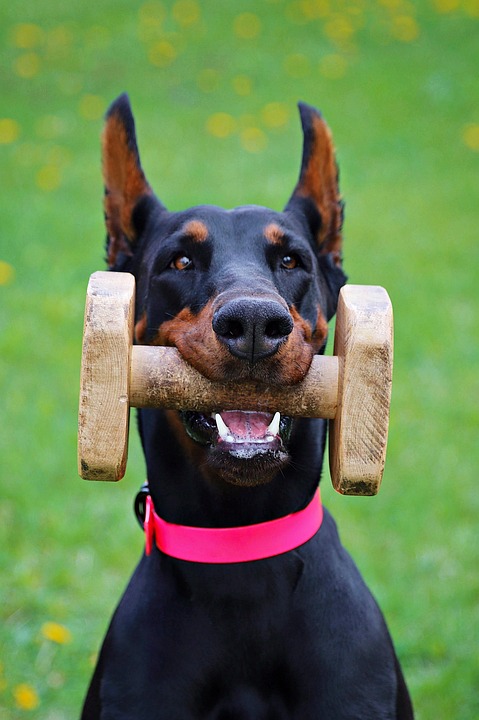
Ensuring that your furry friend remains in optimal health is a key responsibility of being a dog owner. Just like humans, dogs require a balanced diet, regular exercise, and mental stimulation to thrive. This article provides top tips for keeping your dog healthy, covering various aspects of care, nutrition, exercise, and preventative measures.
Provide a Balanced Diet
A balanced diet is fundamental to your dog’s overall health and well-being. It is crucial to feed your dog high-quality food that meets their nutritional needs. Consider the following when selecting your dog’s diet:
Choose the Right Type of Food
There are various types of dog food available, including dry kibble, wet food, raw diets, and home-cooked meals. Each has its pros and cons, and the choice depends on your dog’s specific needs and preferences. Consult with your veterinarian to determine the best option for your pet.
Pay Attention to Portion Sizes
Overfeeding can lead to obesity, which poses significant health risks for dogs, such as diabetes, heart disease, and joint problems. Follow the feeding guidelines provided on the dog food packaging or seek advice from your vet to determine the appropriate portion sizes for your dog’s age, breed, and activity level.
Include Variety
While it is essential to maintain consistency in your dog’s diet, including some variety can help prevent boredom and provide additional nutrients. Consider adding fresh fruits and vegetables as treats or supplements but ensure they are safe for dogs to consume.
Ensure Regular Exercise
Exercise is vital for maintaining a healthy weight and keeping your dog physically and mentally fit. Different breeds have varying exercise requirements, so it’s important to tailor your dog’s routine accordingly.
Daily Walks
Regular walks are a staple in any dog’s exercise regimen. They provide physical activity and mental stimulation as your dog encounters new sights, sounds, and smells. Aim for at least 30 minutes of walking daily, though high-energy breeds may require more.
Interactive Play
Engage your dog in interactive play sessions using toys like balls, frisbees, or tug ropes. These activities not only help burn off energy but also strengthen the bond between you and your pet.
Provide Mental Stimulation
Mental exercise is just as important as physical exercise. Puzzle toys, training sessions, and scent games are excellent ways to keep your dog’s mind sharp and entertained.
Maintain Regular Veterinary Check-Ups
Routine veterinary care is crucial for early detection and prevention of potential health issues. Ensure your dog receives regular check-ups, vaccinations, and preventative treatments against parasites like fleas, ticks, and worms.
Annual Health Exams
Schedule annual health exams to monitor your dog’s overall health and catch any issues early. These visits allow your vet to assess your dog’s weight, dental health, and overall condition, providing an opportunity to address any concerns.
Vaccinations
Keeping up-to-date with vaccinations is essential for protecting your dog against infectious diseases. Discuss with your vet which vaccines are necessary based on your dog’s lifestyle and environment.
Parasite Prevention
Use appropriate preventative measures to protect your dog from fleas, ticks, and worms. These parasites can cause serious health problems if left untreated. Consult your vet for the best products and schedules for your dog.
Grooming and Hygiene
Regular grooming is not only about keeping your dog looking good but also about maintaining their health. It helps prevent skin issues, infections, and discomfort.
Regular Brushing
Brush your dog’s coat regularly to remove loose hair, dirt, and prevent matting. The frequency of brushing depends on your dog’s coat type, with long-haired breeds requiring more frequent grooming.
Bathing
Bathe your dog as needed, typically once every 4-6 weeks, depending on their activity level and coat condition. Use dog-specific shampoos to avoid skin irritation.
Dental Care
Oral hygiene is often overlooked, but it is crucial for preventing dental disease. Brush your dog’s teeth regularly and provide dental chews or toys to help maintain oral health.
Provide a Safe and Comfortable Environment
Creating a safe and comfortable living environment is essential for your dog’s well-being. Ensure your home is dog-proofed, providing a space where they can relax and feel secure.
Safe Spaces
Provide a designated area where your dog can retreat and rest undisturbed. This could be a comfy bed or a quiet corner of the house. Ensure it’s free from hazards and has access to fresh water.
Temperature Control
Dogs can be sensitive to extreme temperatures. Ensure your home is adequately heated in winter and cooled in summer. Never leave your dog in a car, especially during hot days, as this can lead to heatstroke.
Address Behavioral and Emotional Needs
Your dog’s mental and emotional health is just as important as their physical health. Addressing behavioral issues and providing emotional support can prevent stress and anxiety-related health problems.
Training and Socialization
Proper training and socialization are essential for a well-behaved dog. Enroll your dog in obedience classes or work with a professional trainer if needed. Socialize your dog from a young age to ensure they are comfortable around other animals and people.
Recognize Stress and Anxiety
Be attentive to signs of stress or anxiety in your dog, such as excessive barking, destructive behavior, or withdrawal. Address the root cause and consult a veterinarian or animal behaviorist for guidance.
Spend Quality Time Together
Dogs thrive on companionship and affection. Spend quality time with your pet, whether through play, training, or simply relaxing together. This strengthens your bond and contributes to their emotional well-being.
Conclusion
Keeping your dog healthy involves a combination of proper nutrition, regular exercise, routine veterinary care, and attention to their emotional needs. By following these top tips, you can ensure your furry friend enjoys a long, happy, and healthy life. Always consult with your veterinarian for personalized advice tailored to your dog’s specific needs, and remember that a healthy dog is a happy dog.