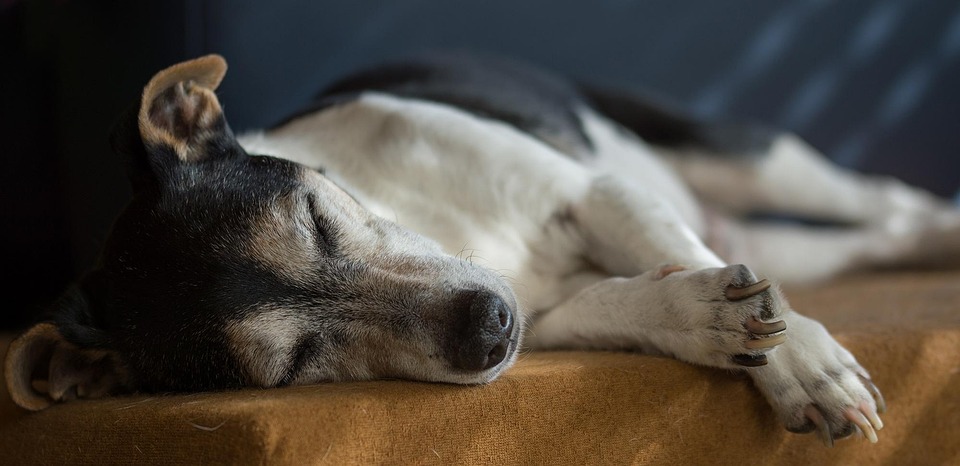
As our beloved canine companions age, their needs evolve. Just like humans, senior dogs require special attention to ensure they enjoy a high quality of life in their golden years. While genetics and breed play a role in a dog’s longevity, proper care can significantly impact their health and happiness. This article explores top tips for optimal senior dog health care, ensuring your furry friend remains vibrant and content well into their senior years.
Understanding the Aging Process in Dogs
Before diving into specific health care tips, it’s crucial to understand what aging entails for dogs. Typically, dogs are considered senior between seven and ten years of age, depending on their breed and size. Larger breeds tend to age faster than smaller ones. As dogs age, they may experience changes in metabolism, energy levels, and physical abilities. They may also be prone to certain health conditions such as arthritis, dental problems, and cognitive decline.
Regular Veterinary Check-Ups
One of the most crucial aspects of senior dog care is regular veterinary check-ups. These visits should occur at least twice a year, as early detection of health issues can significantly improve treatment outcomes. During these visits, the vet will perform a comprehensive physical exam, assess your dog’s weight, check for any lumps or abnormalities, and possibly recommend blood tests to monitor organ function.
Vaccinations and Preventative Care
Ensure your senior dog is up-to-date on vaccinations and preventative care. While some vaccinations may taper off as dogs age, others remain critical. Discuss with your veterinarian which vaccines are necessary and the best schedule for your dog’s specific needs.
Nutrition: The Foundation of Health
Diet plays a pivotal role in maintaining your senior dog’s health. Their nutritional needs change with age, requiring diets that support joint health, maintain a healthy weight, and provide sufficient energy.
Choosing the Right Food
Opt for high-quality dog food formulated specifically for senior dogs. These diets typically contain fewer calories to prevent obesity, more fiber for digestive health, and added antioxidants for immune support. Look for foods with high-quality protein sources to maintain muscle mass, as well as supplements like glucosamine and chondroitin for joint health.
Monitoring Weight and Adjusting Portions
Obesity is a common issue in senior dogs and can exacerbate health problems such as diabetes, heart disease, and arthritis. Regularly monitor your dog’s weight and adjust food portions as needed. Your veterinarian can help determine the appropriate caloric intake for your dog’s age, weight, and activity level.
Exercise and Mental Stimulation
While senior dogs may not have the same energy levels as their younger counterparts, regular exercise is still essential. Exercise helps maintain a healthy weight, supports joint health, and provides mental stimulation.
Adapting Exercise Routines
Adjust your dog’s exercise routine to suit their age and physical condition. Shorter, more frequent walks may be more beneficial than long, strenuous outings. Incorporate low-impact activities like swimming or gentle play sessions to keep them active without straining their joints.
Mental Enrichment
Cognitive decline is a concern for senior dogs, making mental stimulation vital. Engage your dog’s mind with puzzle toys, training sessions, and interactive games. These activities can help maintain cognitive function and keep your dog engaged and happy.
Joint and Mobility Care
Joint issues are common in senior dogs, often leading to discomfort and reduced mobility. Taking proactive steps can help manage these issues.
Supplements for Joint Health
Consider supplements like glucosamine, chondroitin, and omega-3 fatty acids to support joint health. These can help reduce inflammation and improve mobility. Consult your veterinarian before starting any supplement regimen to ensure it’s appropriate for your dog.
Creating a Comfortable Environment
Make your home more accessible for your senior dog. Provide soft bedding, ramps for easy access to furniture, and non-slip mats to prevent falls on slippery floors. Ensuring your dog’s environment is comfortable and safe can significantly improve their quality of life.
Dental Health
Dental health is often overlooked but is crucial for senior dogs. Poor dental hygiene can lead to tooth decay, gum disease, and even systemic infections.
Regular Dental Care
Brush your dog’s teeth regularly using a dog-specific toothbrush and toothpaste. Dental chews and toys can also help reduce plaque and tartar buildup. Schedule regular dental cleanings with your veterinarian to maintain oral health.
Monitoring Changes in Behavior and Health
Stay vigilant for changes in your senior dog’s behavior or health. Sudden changes in appetite, activity levels, or mood can indicate underlying health issues.
Recognizing Signs of Pain or Discomfort
Senior dogs may not always show obvious signs of pain. Look for subtle cues such as reluctance to move, changes in posture, or increased irritability. If you notice these signs, consult your veterinarian promptly.
Emotional Well-being and Companionship
The emotional well-being of your senior dog is as important as their physical health. Ensure they feel loved and secure as they age.
Spending Quality Time Together
Dedicate time each day to bond with your dog through activities they enjoy. Whether it’s a leisurely walk, a grooming session, or simply cuddling on the couch, these interactions strengthen your bond and provide comfort.
Providing Companionship
If your dog is comfortable with it, consider introducing them to other friendly pets or social opportunities. However, be mindful of their temperament and energy levels to ensure positive interactions.
Conclusion
Caring for a senior dog requires attentiveness and adjustments to their lifestyle and health care routine. By prioritizing regular veterinary visits, providing a balanced diet, ensuring proper exercise, and maintaining emotional well-being, you can help your senior dog lead a healthy and fulfilling life. Remember that every dog is unique, and it’s essential to tailor your approach to meet the specific needs of your beloved companion.