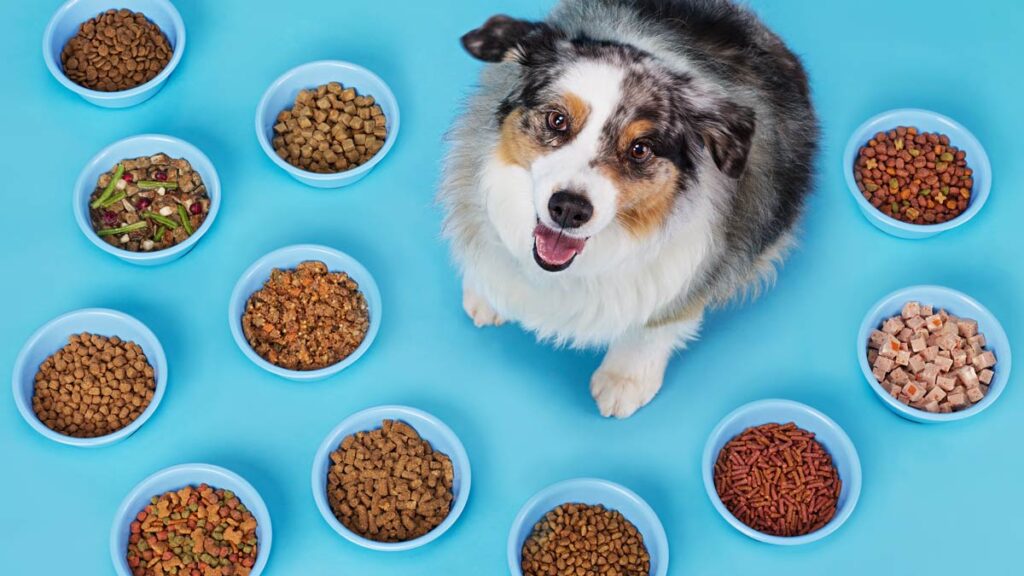
Ensuring your dog’s health and vitality starts with proper nutrition. Just like humans, dogs require a balanced diet to maintain their energy levels, support growth, and prevent diseases. This ultimate guide will provide essential tips for optimal dog nutrition, ensuring your furry friend leads a healthy, happy life.
Understanding Dog Nutritional Needs
Dogs are omnivores, which means they thrive on a diet consisting of meat, grains, and vegetables. While the specific nutritional requirements can vary depending on the breed, age, weight, and activity level of your dog, there are fundamental components that every dog needs in their diet.
Macronutrients
Proteins: Proteins are crucial for the growth and repair of tissues in dogs. They provide essential amino acids that the body cannot produce on its own. High-quality protein sources include chicken, beef, fish, and eggs. Puppies and active dogs often require more protein than older or less active dogs.
Fats: Fats are a concentrated source of energy and are necessary for the absorption of fat-soluble vitamins (A, D, E, K). They also help maintain healthy skin and a shiny coat. Look for diets that include healthy sources of fats like fish oil or flaxseed oil.
Carbohydrates: Carbohydrates provide a quick source of energy and are often found in grains, fruits, and vegetables. While dogs do not have a strict requirement for carbohydrates, they can benefit from the fiber and nutrients found in these foods.
Micronutrients
Vitamins and Minerals: Essential vitamins and minerals are crucial for various bodily functions, including bone development, immune function, and nerve signaling. Ensure your dog’s diet includes a variety of foods to cover these needs, or supplement as directed by a veterinarian.
Commercial Dog Food vs. Homemade Diets
When deciding between commercial dog food and homemade diets, it’s important to weigh the pros and cons of each option.
Commercial Dog Food
Commercial dog foods are convenient and formulated to meet the nutritional needs of dogs at different life stages. They come in dry, canned, and semi-moist varieties, with options for specific dietary needs like weight control or food sensitivities.
- Pros: Convenient, balanced nutrition, scientifically formulated.
- Cons: May contain fillers or artificial ingredients, quality can vary.
Homemade Diets
Homemade diets allow for complete control over the ingredients, which can be beneficial for dogs with allergies or specific health conditions. However, they require careful planning to ensure nutritional adequacy.
- Pros: Control over ingredients, tailored to specific needs.
- Cons: Time-consuming, risk of nutritional imbalance if not properly planned.
Raw Diets and Their Considerations
Raw diets, also known as BARF (Biologically Appropriate Raw Food), consist of raw meat, bones, fruits, and vegetables. While some dog owners swear by the benefits of raw diets, such as improved coat condition and dental health, they come with potential risks.
Benefits and Risks
Benefits: Proponents claim raw diets lead to healthier skin and coats, better digestion, and increased energy levels.
Risks: Raw diets can pose health risks due to bacterial contamination (e.g., Salmonella, E. coli) and potential nutrient imbalances. It’s crucial to handle raw food with care and consult with a veterinarian or a pet nutritionist before transitioning your dog to a raw diet.
Feeding Guidelines by Life Stage
Dogs have different nutritional requirements at various stages of their lives. Understanding these needs ensures that your dog receives appropriate nutrition throughout their life.
Puppies
Puppies require a diet rich in protein, fats, and calories to support their rapid growth and development. Feeding them high-quality puppy food ensures they get the necessary nutrients. Puppies typically eat more frequently than adult dogs, with meals spread throughout the day.
Adults
Adult dogs need a balanced diet that maintains their weight and energy levels. The amount and type of food will depend on their size, breed, and activity level. Regular feeding schedules (usually twice a day) help maintain consistency and prevent overeating.
Seniors
Senior dogs may benefit from diets lower in calories but higher in fiber to support digestion. They might also require supplements for joint health, like glucosamine and chondroitin. Monitoring their weight and adjusting their diet as needed is crucial for their overall well-being.
Addressing Special Dietary Needs
Some dogs have special dietary needs due to health conditions or allergies. Understanding these needs helps in providing the appropriate nutrition.
Allergies
Food allergies in dogs can manifest as skin irritations, digestive issues, or chronic ear infections. Identifying and eliminating the allergen (common culprits include beef, dairy, and wheat) is crucial. Hypoallergenic diets or novel protein diets can be beneficial.
Weight Management
Obesity is a common issue in dogs, leading to various health problems like joint issues and diabetes. A weight management diet with reduced calories and increased fiber can help dogs achieve and maintain a healthy weight. Regular exercise is also crucial.
Hydration is Key
Water is an essential nutrient that is often overlooked. Dogs need a constant supply of fresh, clean water to stay hydrated. Dehydration can lead to serious health issues, so ensure your dog always has access to water, especially after exercise or in hot weather.
Supplements for Dogs
While a well-balanced diet should provide all necessary nutrients, some dogs may benefit from supplements. Common supplements include omega-3 fatty acids for skin and coat health, glucosamine for joint support, and probiotics for digestive health. Always consult with a veterinarian before introducing supplements to your dog’s diet.
Conclusion
Proper nutrition is the cornerstone of a healthy and happy life for your dog. By understanding their nutritional needs, choosing appropriate food options, and addressing any special dietary requirements, you can ensure your canine companion enjoys the best possible health. Regular check-ups with a veterinarian and staying informed about the latest in canine nutrition will help you make the best dietary choices for your dog.