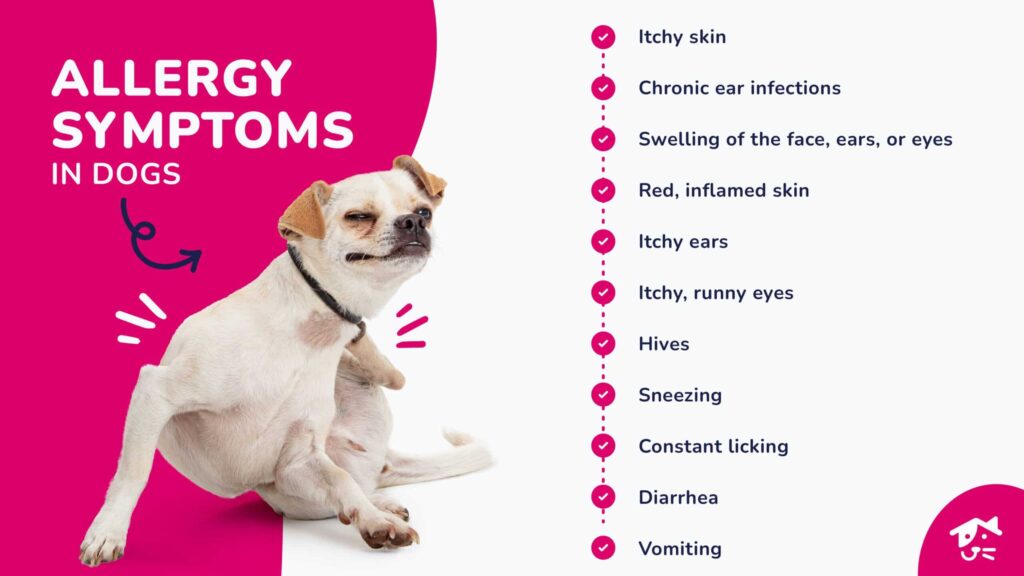
Dogs are often cherished family members, offering companionship, loyalty, and unconditional love. However, just like humans, dogs can suffer from allergies that affect their overall well-being. Understanding and identifying dog allergy symptoms is crucial for ensuring your furry friend remains healthy and comfortable. This guide will delve into the common symptoms, causes, and management strategies for dog allergies, providing you with the knowledge needed to care for your canine companion.
Understanding Dog Allergies
Allergies in dogs occur when their immune system overreacts to a usually harmless substance called an allergen. These allergens can be found in the environment, food, or even medications. When a dog is exposed to an allergen, their immune system mistakenly identifies it as a threat and responds by releasing histamines, leading to various symptoms.
Common Symptoms of Dog Allergies
Recognizing the symptoms of dog allergies is the first step in managing them effectively. Here are some of the most common signs to watch out for:
Skin Irritation and Itching
Skin issues are perhaps the most prevalent symptom of allergies in dogs. This can manifest as persistent itching, redness, and inflammation. Dogs may scratch, lick, or bite at their skin in an attempt to alleviate discomfort, often resulting in hot spots or sores.
Ear Infections
Allergies can lead to chronic ear infections, characterized by redness, swelling, and a foul odor. Dogs with ear infections may shake their heads frequently or rub their ears against furniture or the floor.
Respiratory Symptoms
Just like humans, dogs can experience respiratory issues due to allergies. Symptoms may include sneezing, coughing, and a runny nose. These symptoms are often more pronounced in dogs with environmental allergies.
Gastrointestinal Problems
Food allergies in dogs can cause gastrointestinal distress, such as vomiting, diarrhea, and gas. If your dog experiences these symptoms after eating, it may be indicative of a food allergy.
Causes of Dog Allergies
Identifying the cause of your dog’s allergies is essential for effective treatment and prevention. Here are some common allergens that could trigger an allergic reaction in dogs:
Environmental Allergens
Environmental allergens, such as pollen, dust mites, mold, and grass, are common triggers for dog allergies. These allergens are often seasonal, with symptoms worsening during certain times of the year.
Food Allergens
Food allergies in dogs can be caused by specific ingredients, such as beef, chicken, dairy, or grains. It is essential to identify the specific allergen to manage a food allergy effectively.
Flea Allergies
Flea allergy dermatitis is a common condition where dogs are allergic to flea saliva. Even a single flea bite can cause intense itching and discomfort in affected dogs.
Contact Allergens
Some dogs may develop allergies to substances they come into contact with, such as certain shampoos, cleaning products, or fabrics. These contact allergies often cause localized skin irritation.
Diagnosing Dog Allergies
If you suspect your dog has allergies, consulting a veterinarian is crucial for accurate diagnosis and treatment. The veterinarian may perform several tests to determine the cause of the allergies, including:
Skin Tests
Intradermal skin tests involve injecting small amounts of potential allergens into the dog’s skin to observe any reactions. This test helps identify environmental allergens.
Blood Tests
Blood tests can detect specific antibodies related to allergies and are often used to identify food allergens. These tests are less invasive and can be useful when skin tests are not feasible.
Elimination Diet Trials
For suspected food allergies, an elimination diet trial involves feeding the dog a novel protein and carbohydrate source for several weeks to identify potential allergens.
Managing Dog Allergies
Once the allergens are identified, managing your dog’s allergies involves a combination of strategies to minimize exposure and alleviate symptoms. Here are some effective management techniques:
Avoiding Allergens
The most effective way to manage allergies is to avoid exposure to known allergens. For environmental allergies, this may involve limiting outdoor activities during high pollen seasons or using air purifiers indoors. In the case of food allergies, identifying and eliminating the problematic ingredient from your dog’s diet is essential.
Medications
Veterinarians may prescribe medications to alleviate allergy symptoms. Antihistamines, corticosteroids, and immune-modulating drugs can help control itching and inflammation. However, these medications should be used under veterinary supervision.
Topical Treatments
Topical treatments, such as medicated shampoos and creams, can provide relief for dogs with skin allergies. These products soothe irritated skin and reduce itching.
Allergy Shots
Allergy shots, or immunotherapy, involve gradually exposing the dog to small amounts of the allergen to build tolerance over time. This treatment is often used for environmental allergies and requires a long-term commitment.
Conclusion
Uncovering dog allergy symptoms and understanding their causes is essential for providing your canine companion with the best care possible. By recognizing the signs of allergies, working with a veterinarian for accurate diagnosis, and implementing effective management strategies, you can help ensure your dog remains healthy, happy, and comfortable. Remember, early intervention and consistent management are key to improving your dog’s quality of life.