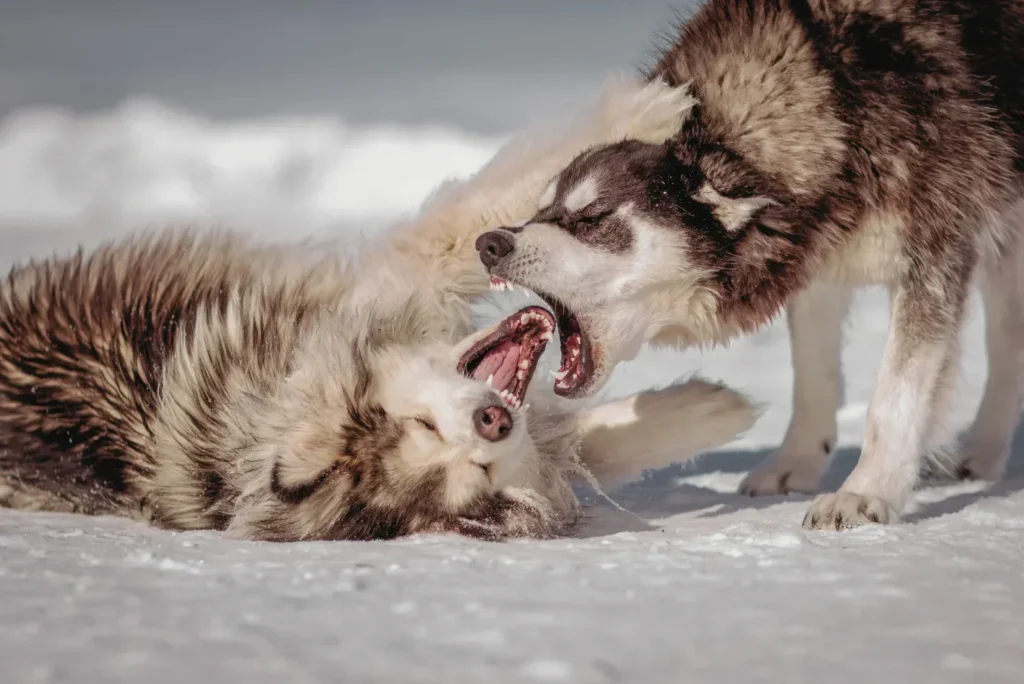
Dogs are often referred to as “man’s best friend,” yet even the most domesticated dogs can exhibit aggressive behaviors. Understanding and managing these behaviors is crucial for ensuring the safety and well-being of both dogs and their human companions. This article aims to delve into the causes of aggressive behavior in dogs, how to identify it, and strategies for effective management.
Understanding Aggressive Dog Behavior
What is Aggressive Behavior?
Aggressive behavior in dogs can manifest in various forms, including growling, snapping, biting, or lunging. It is a natural response that dogs may exhibit in situations where they feel threatened, scared, or challenged. However, when such behaviors become frequent or intense, they can pose significant risks.
Common Causes of Aggression
Understanding the root cause of aggression is essential for effective management. Here are some common causes:
- Fear: Dogs may act aggressively if they feel scared or threatened. This is a defense mechanism aimed at protecting themselves from perceived danger.
- Territoriality: Dogs are naturally territorial animals, and they may become aggressive when they feel their space is being invaded.
- Possession: Also known as resource guarding, this occurs when a dog becomes aggressive over food, toys, or other valued items.
- Social Aggression: Dogs may exhibit aggression towards other dogs to establish dominance or protect their pack.
- Pain or Illness: Physical discomfort can lead to irritability and aggressive behavior.
- Frustration: Dogs that are restrained or unable to achieve a desired outcome can become aggressive out of frustration.
Identifying Aggressive Behavior
Signs to Look For
Recognizing aggressive behavior early can prevent potential incidents. Some signs to watch for include:
- Barking and Growling: While barking is a natural form of communication, excessive barking and growling can indicate aggression.
- Snarling or Showing Teeth: A clear warning sign that a dog is feeling threatened.
- Lunging or Charging: Sudden movements towards a person or another animal can be a precursor to an attack.
- Nipping or Biting: Biting is a serious form of aggression that requires immediate attention.
- Stiff Body Posture: A rigid stance, especially if accompanied by a fixed stare, can indicate aggression.
Managing Aggressive Behavior
Training and Behavior Modification
Effective management of aggressive behavior often involves training and behavior modification techniques. Here are some strategies:
- Positive Reinforcement: Rewarding good behavior with treats, praise, or play can encourage dogs to repeat those behaviors.
- Desensitization: Gradually exposing the dog to the source of its aggression in a controlled manner can help reduce its fear or anxiety over time.
- Counter-Conditioning: This involves changing a dog’s emotional response to a stimulus. For example, rewarding a dog for calm behavior in the presence of a trigger.
- Obedience Training: Teaching basic commands such as “sit,” “stay,” and “leave it” can help manage a dog’s behavior and redirect its focus.
- Professional Help: Consulting a professional dog trainer or behaviorist can provide tailored strategies for managing aggressive behavior.
Environmental Management
In addition to training, modifying the dog’s environment can help prevent aggressive incidents. Consider the following:
- Safe Spaces: Providing a designated area where the dog can retreat to feel safe can reduce stress and anxiety.
- Manage Triggers: Identify and minimize exposure to known triggers that may provoke aggression.
- Supervision: Closely monitor interactions with other animals and people, especially in new or unpredictable environments.
When to Seek Professional Help
If aggressive behavior persists despite efforts to manage it, seeking professional help is crucial. A veterinarian can rule out any medical issues that may be contributing to the behavior, and a certified animal behaviorist can provide specialized training and behavior modification plans.
Preventing Aggressive Behavior
Early Socialization
Socializing dogs at a young age can prevent the development of aggressive behaviors. Exposure to various environments, people, and other animals can help puppies learn to navigate the world with confidence.
Ongoing Training
Continual training and reinforcement of positive behaviors are vital throughout a dog’s life. Regular practice of commands and social interactions can help maintain a well-behaved and balanced dog.
Regular Health Checkups
Regular veterinary checkups can identify and address any underlying medical issues that may contribute to aggressive behavior. Keeping a dog healthy and pain-free is essential for maintaining good behavior.
Conclusion
Understanding and managing aggressive dog behavior is a multifaceted process that requires patience, consistency, and commitment. By identifying the causes and signs of aggression, implementing effective training and management strategies, and seeking professional help when necessary, dog owners can create a safe and harmonious environment for both their pets and themselves. With the right approach, aggressive behaviors can be significantly reduced, allowing dogs to live happier, healthier lives.
Remember, every dog is unique, and what works for one may not work for another. Tailoring your approach to the individual dog’s needs and maintaining a positive, supportive attitude can make all the difference in managing aggressive behavior effectively.