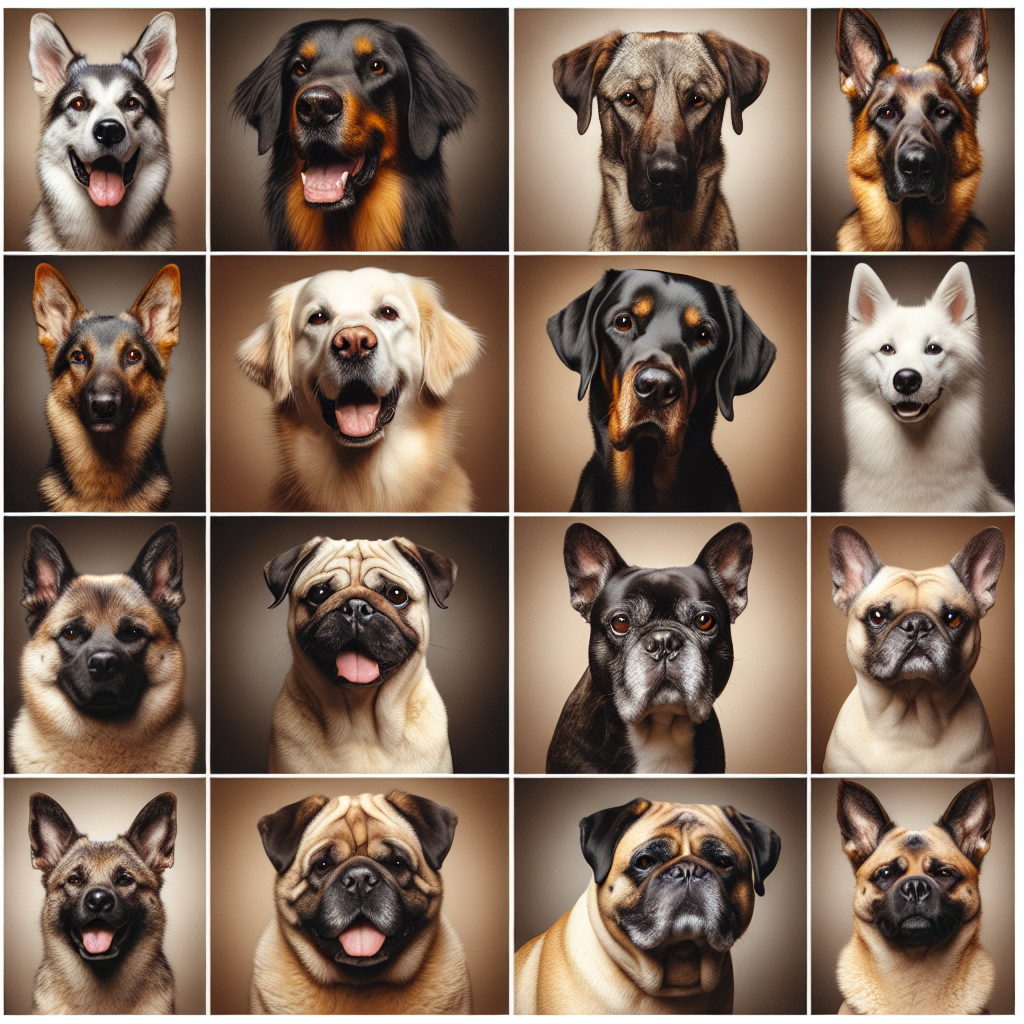
Dogs have been our loyal companions for thousands of years, evolving alongside humans and adapting to various roles from hunters to herders, guardians, and companions. Each breed carries unique characteristics, but temperament is one of the most compelling aspects that dictate how a dog functions within a household. Understanding the temperament of a dog breed can significantly enhance the bond between a pet and its owner. This article explores the temperament secrets of some of the most popular dog breeds, providing insights that can help potential dog owners make informed choices.
Labrador Retriever: The Affable Friend
The Labrador Retriever is celebrated for its friendly and outgoing nature. Known as one of the most popular breeds worldwide, Labradors are often seen as the quintessential family dog. Their temperament is characterized by an eagerness to please, making them highly trainable. They are gentle, intelligent, and good-natured, which explains their frequent roles as service dogs. Despite their generally calm demeanor, Labradors are energetic and require regular exercise to maintain their physical and mental health.
Understanding the Labrador’s Social Nature
Labradors thrive on social interaction. They are not the type to be left alone for long periods, as isolation can lead to anxiety and destructive behavior. Their sociability extends to both humans and other animals, making them excellent companions in multi-pet households. Prospective owners must ensure they have the time and dedication to engage with their Labrador regularly.
German Shepherd: The Loyal Protector
German Shepherds are revered for their intelligence, loyalty, and protective instincts. These traits make them ideal working dogs, often employed in police and military roles. Their temperament is a blend of confidence and courage, with a strong willingness to learn and work. While they are naturally wary of strangers, they form deep bonds with their families and are remarkably loyal.
Balancing Protection and Socialization
To harness a German Shepherd’s protective nature positively, early socialization is crucial. They must be exposed to various environments, people, and other animals to develop a well-rounded temperament. Adequate training and socialization help prevent overprotectiveness and ensure they are friendly and approachable in diverse settings.
Golden Retriever: The Gentle Companion
Golden Retrievers are celebrated for their gentle and affectionate nature. They are often described as the epitome of a friendly dog, beloved for their patient and tolerant demeanor. Their even-tempered personality makes them excellent therapy dogs, as they provide comfort and companionship to those in need.
The Importance of Play and Interaction
Golden Retrievers are playful and enjoy interacting with humans and other animals. They possess an innate desire to please their owners, which contributes to their trainability. However, their high energy levels require regular exercise and mental stimulation to prevent boredom and related behavioral issues.
Bulldog: The Calm and Courageous
Bulldogs, with their distinctive appearance, are known for their calm and courageous temperament. They are often seen as the embodiment of determination, with a gentle disposition that belies their tough exterior. Bulldogs are incredibly loyal to their families, making them excellent companions in various living situations.
Patience and Perseverance
While Bulldogs are generally easygoing, they can be a bit stubborn. Training requires patience and consistency, but their desire to please makes them receptive to positive reinforcement. Despite their placid nature, Bulldogs are courageous and will not hesitate to protect their loved ones if needed.
Beagle: The Curious Explorer
Beagles are small to medium-sized hounds known for their curious and merry temperament. Their keen sense of smell and tracking instincts make them excellent hunting companions. Beagles are social animals, often forming strong bonds with their families and other pets.
Nurturing the Beagle’s Curiosity
Beagles are naturally curious and energetic, requiring ample exercise and mental stimulation. Without sufficient outlets for their energy, they can become bored and engage in undesirable behaviors such as excessive barking or digging. Early training and socialization are essential to channel their curiosity positively.
Poodle: The Intelligent Performer
Poodles are renowned for their intelligence and versatility. Available in standard, miniature, and toy sizes, Poodles are highly trainable and often excel in obedience and agility competitions. Their temperament is a delightful combination of alertness, intelligence, and playfulness.
Embracing the Poodle’s Versatility
Poodles thrive in environments where they can utilize their intelligence and energy. They are quick learners, and their adaptability makes them suitable for various roles, from family pets to performance dogs. Regular mental stimulation and creative play are essential to keep Poodles engaged and happy.
Boxer: The Playful Guardian
Boxers are known for their playful and energetic nature. Their temperament is marked by a blend of friendliness and protectiveness, making them excellent family pets and guardians. Boxers are highly social and thrive in environments where they can interact with people and other animals.
Ensuring a Balanced Lifestyle
Boxers require a balance of physical exercise and mental engagement. Their high energy levels mean they enjoy activities that challenge both their bodies and minds. Training should begin early to establish boundaries and ensure they grow into well-behaved adults. Socialization is crucial to prevent overprotectiveness and ensure they remain friendly and approachable.
Yorkshire Terrier: The Spirited Companion
Yorkshire Terriers, or Yorkies, are small dogs with a big personality. Their temperament is characterized by a bold, confident nature, often surprising given their diminutive size. Yorkies are affectionate and form strong bonds with their families, making them excellent companions for those who can manage their spirited nature.
Nurturing the Yorkie’s Bold Spirit
Despite their small stature, Yorkies possess a strong will and require consistent training to manage their bold nature. They are intelligent and respond well to positive reinforcement techniques. Providing them with ample opportunities for play and socialization is essential to prevent any behavioral issues stemming from boredom or loneliness.
Conclusion
Understanding the temperament of a dog breed is crucial for potential dog owners. It guides them in selecting a breed that aligns with their lifestyle and expectations. While each dog is an individual with its unique personality, breed-specific temperament traits offer valuable insights. By appreciating these characteristics, owners can foster harmonious relationships with their canine companions, ensuring a mutually rewarding experience. Whether it’s the affable Labrador, the loyal German Shepherd, or the spirited Yorkshire Terrier, each breed offers distinct qualities that enrich the lives of those who welcome them into their homes.
#ChatGPT assisted in the creation of this article.