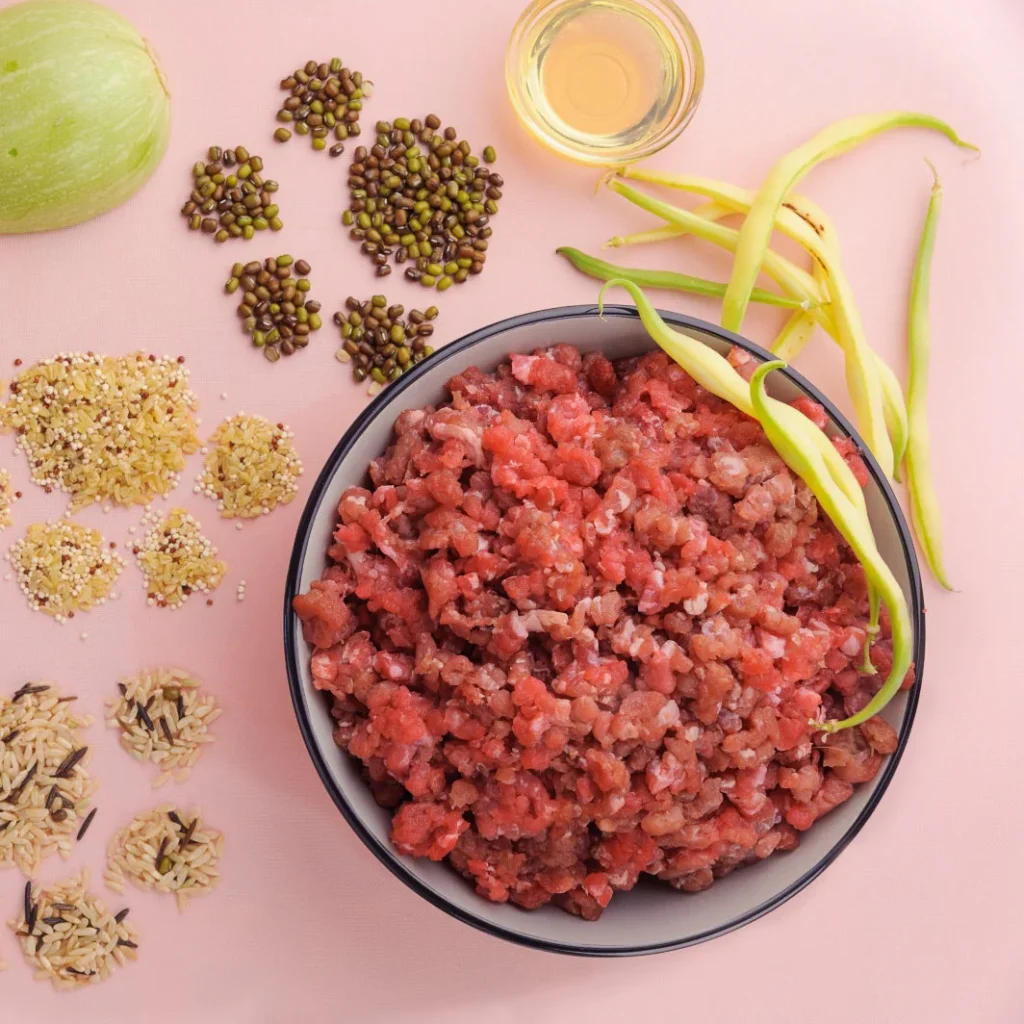
In recent years, the focus on pet nutrition has shifted significantly, with many pet owners exploring alternatives to traditional kibble and canned food. One of the most talked-about dietary approaches is the raw dog diet, often referred to as BARF (Biologically Appropriate Raw Food or Bones and Raw Food). Proponents of this diet believe that feeding dogs raw food mimics their natural ancestral diet, leading to improved health and vitality. This article delves into the benefits of a raw dog diet, providing a comprehensive guide for those considering this nutritional path for their furry companions.
Understanding the Raw Dog Diet
The raw dog diet is based on the principle that dogs, being descendants of wolves, thrive on a diet similar to what their wild ancestors consumed. This typically includes raw meat, bones, fruits, vegetables, and organs. The aim is to provide a balanced diet that is rich in nutrients, enzymes, and natural compounds that are often lost during the cooking process.
Components of a Raw Dog Diet
1. **Raw Meat**: The primary component of a raw diet is raw muscle meat, which provides essential proteins and amino acids. Varieties include beef, chicken, lamb, and more exotic meats like venison or bison.
2. **Bones**: Raw bones are crucial for calcium and phosphorus, vital for bone development and dental health. Soft, edible bones like chicken necks and wings are typically recommended.
3. **Organs**: Organ meats such as liver, kidney, and heart are rich in vitamins and minerals, including vitamin A, iron, and zinc.
4. **Fruits and Vegetables**: While not a major component, certain fruits and vegetables are included for fiber and additional vitamins. Carrots, apples, and spinach are common choices.
5. **Supplements**: Some raw diets incorporate supplements like fish oil for omega-3 fatty acids or kelp for iodine to ensure nutritional completeness.
Health Benefits of a Raw Dog Diet
### Improved Digestion
One of the most immediate benefits reported by dog owners is improved digestion. Raw food is more natural for dogs to digest, leading to smaller, firmer stools. Additionally, enzymes present in raw food aid in breaking down nutrients efficiently, reducing the risk of gastrointestinal issues.
### Enhanced Dental Health
Chewing on raw bones naturally cleans a dog’s teeth, reducing plaque buildup and promoting healthy gums. This can lead to fresher breath and a reduced need for dental interventions.
### Shinier Coat and Healthier Skin
The presence of natural fats and oils in raw food contributes to a shinier, healthier coat. Many dog owners notice reduced shedding and fewer skin irritations, which are often linked to processed food ingredients.
### Increased Energy Levels
Dogs on a raw diet often exhibit higher energy levels and increased vitality. The diet’s high protein content and absence of fillers and additives contribute to better overall health and stamina.
### Weight Management
A raw diet can help with weight management, as it typically contains fewer carbohydrates and unnecessary fillers. Dogs tend to maintain a healthy weight more easily, reducing the risk of obesity-related diseases.
Considerations and Challenges
While the raw dog diet offers numerous benefits, it’s not without challenges and considerations. It’s essential to understand these aspects before making the switch.
### Nutritional Balance
Ensuring a balanced diet is critical. An improperly balanced raw diet can lead to nutritional deficiencies or excesses. It’s advisable to consult with a veterinarian or a pet nutritionist to create a balanced meal plan.
### Food Safety
Handling raw meat carries a risk of bacterial contamination, which can affect both dogs and humans. It’s crucial to practice safe food handling and hygiene to minimize these risks.
### Cost and Convenience
A raw diet can be more expensive and time-consuming to prepare than commercial dog food. It requires planning, sourcing quality ingredients, and sometimes, significant freezer space for storage.
### Transitioning to a Raw Diet
Transitioning a dog to a raw diet should be done gradually to allow the digestive system to adjust. Start by mixing small amounts of raw food with their current diet and gradually increasing the proportion over a few weeks.
Practical Tips for Feeding a Raw Diet
### Choose Quality Ingredients
Source high-quality, human-grade ingredients to ensure your dog receives the best nutrition possible. Avoid ingredients that may contain harmful additives or preservatives.
### Monitor Health and Adjust as Needed
Regularly monitor your dog’s health, weight, and energy levels. Adjust their diet as needed to ensure they are receiving the appropriate nutrients for their age, size, and activity level.
### Keep a Balanced Meal Plan
Utilize resources and consult professionals to create a balanced meal plan. This might include the use of supplements to ensure all nutritional requirements are met.
### Practice Safe Handling Procedures
Always wash your hands and surfaces thoroughly after handling raw meat. Store raw food properly to prevent spoilage and bacterial growth.
Conclusion
The raw dog diet presents a promising alternative for pet owners seeking a more natural and biologically appropriate way to feed their dogs. With its potential benefits, including improved digestion, dental health, coat condition, and energy levels, it’s no wonder more people are considering this dietary approach. However, it’s important to approach the transition with careful planning and consideration to ensure that the diet is safe, balanced, and suitable for your dog’s specific needs. Consulting with veterinary professionals and staying informed can help unlock the full benefits of a raw diet, paving the way for a healthier, happier canine companion.