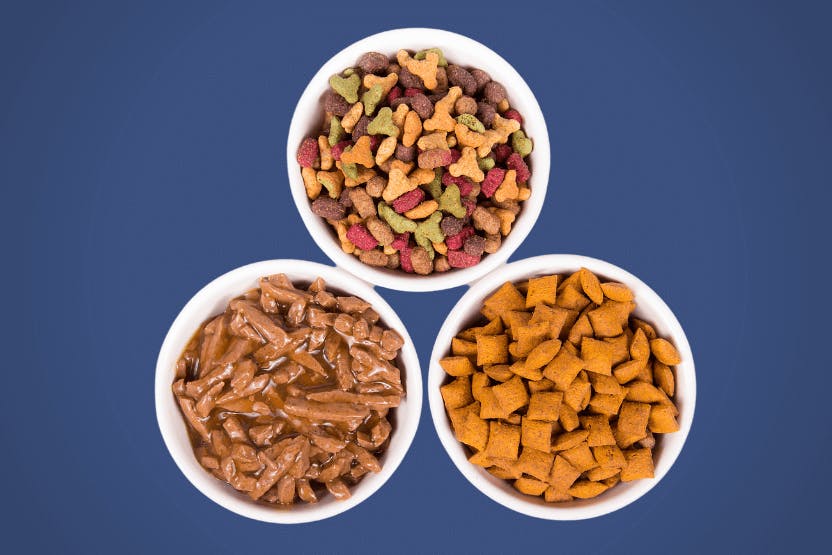
Choosing the right type of food for your dog can be a daunting task, given the plethora of choices available in the market. Among the most debated topics in dog nutrition is the preference between wet and dry dog food. Each option has its own set of advantages and disadvantages, and what might work for one dog may not be ideal for another. In this article, we will explore the differences between wet and dry dog food to help you make an informed decision for your furry friend.
Nutritional Content
Moisture Content
One of the primary differences between wet and dry dog food is the moisture content. Wet dog food typically contains about 70-85% water, whereas dry dog food contains around 10-12%. This difference has significant implications for your dog’s hydration levels. Dogs that do not drink enough water may benefit from the higher moisture content in wet food, which can help keep them hydrated and support kidney function.
Caloric Density
Dry dog food, or kibble, is more calorically dense than wet food. This can be beneficial for dogs with high energy needs, such as working dogs or those participating in agility training. However, it also means that it’s easier to overfeed your dog with dry food, potentially leading to obesity. Wet food, with its lower caloric density, can be more suitable for dogs that need to lose weight or maintain a lighter frame.
Protein and Fat
Both wet and dry dog foods can provide adequate protein and fat for your dog, but they may vary in concentration. Wet foods often have higher protein content by percentage and can be more palatable due to higher fat levels. This can be beneficial for picky eaters or dogs that need to gain weight. Conversely, dry food often contains more carbohydrates and fiber, which can aid in digestion and provide sustained energy.
Dental Health
Dental health is another important consideration when choosing between wet and dry dog food. Dry food has a reputation for promoting better dental health because the kibble’s crunchy texture can help reduce plaque and tartar buildup. However, this does not replace the need for regular dental care and cleanings. Wet food, while not contributing to dental health in the same way, can be easier for older dogs or those with dental issues to chew and digest.
Convenience and Cost
Storage and Shelf Life
Dry dog food is often considered more convenient due to its longer shelf life and ease of storage. It can be left out for longer periods without spoiling, which is ideal for owners who free-feed their dogs. Wet food, on the other hand, requires refrigeration after opening and typically needs to be consumed more quickly to prevent spoilage. This can be less convenient for busy pet owners.
Cost Considerations
Cost is another factor where dry dog food generally has the upper hand. It is usually more affordable and available in larger quantities, making it economical for multi-dog households. Wet food, while more expensive, can be worth the cost for dogs with specific dietary needs or those that refuse to eat dry food.
Palatability and Digestibility
Wet dog food often wins in terms of palatability. The rich aroma and texture can make it more appealing to dogs, especially those who are finicky eaters or have reduced appetite. The higher moisture content also aids in digestion, making it a suitable option for dogs with gastrointestinal issues. Dry food, while less palatable for some, can be more digestible for others due to its fiber content and can help firm up stools.
Special Dietary Needs
Dogs with specific dietary needs may benefit from either wet or dry dog food, depending on the issue at hand. For example:
- Dogs with kidney issues may benefit from the increased moisture in wet food.
- Dogs needing weight control might find dry food’s higher fiber content beneficial.
- Picky eaters or dogs with appetite loss might prefer the taste and aroma of wet food.
- Dogs with dental issues might find wet food easier to manage.
Environmental Impact
The environmental impact of wet and dry dog food is another consideration for environmentally conscious pet owners. Dry food generally has a smaller carbon footprint due to its production process, packaging, and transportation efficiency. Wet food, due to its weight and packaging requirements, tends to have a larger environmental impact. Pet owners looking to minimize their environmental footprint may prefer dry food for this reason.
Making the Choice
The decision between wet and dry dog food will ultimately depend on your dog’s individual needs, preferences, and lifestyle, as well as your own circumstances and values. Here are some factors to consider when making your choice:
- Assess your dog’s age, size, and health status. Puppies, seniors, and dogs with health issues may have different nutritional requirements.
- Consider your dog’s eating habits and preferences. Observe whether your dog shows a preference for one type of food over the other.
- Evaluate your budget and lifestyle. Factor in the cost and convenience of storage and serving.
- Consult with your veterinarian to determine any specific dietary needs or restrictions your dog may have.
Conclusion
Ultimately, both wet and dry dog food can provide complete and balanced nutrition for your dog. Some pet owners even choose to mix the two, combining the benefits of both types of food. By understanding the differences between wet and dry dog food, you can make a more informed decision that best supports your dog’s health and well-being. Remember, the best choice is one that aligns with your pet’s individual needs and your own lifestyle considerations.